The Vatican and the German bishops met face-to-face, but this time under the pontificate of Pope Leo XIV. This marks the fourth meeting held, since 2022.
It was during this ad limina visit that the Holy See and the Episcopal Conference discussed how to address the major issue of the Church in Germany: its Synodal Path.
MSGR. GEORG BÄTZING
President, German Episcopal Conference
I can say sincerely and with relief that it was a demanding meeting. All the issues were really put on the table, in very different places: with the Pope, in the dicasteries, or in yesterday’s inter-dicasterial meeting on some questions of the Synodal Path of the Church in Germany.
However, the process had begun earlier, in 2019, when the country’s bishops decided to launch this path, involving not only the laity but also religious. The goal was to respond to the major abuse crisis within their Church.
The previous year, a report had been published concluding that from1946 and 2014, more than 3,500 people were victims of members of the clergy.
Distrust in the institution grew. In 2023 alone, more than 400,000 people left the Catholic Church in Germany. That same year, Mass attendance dropped by more than 6%. These figures were not new and had been evident since 2018, when the report first appeared.
To regain credibility, the Synodal Path in Germany began, but with a time limit. The initiative originally had a two-year timeframe, which has now extended to more than 6 years. What began as an effort to repair their image gradually developed into positions that were not well received in the Vatican.
The synodal agenda began to introduce controversial topics, including blessings for same-sex couples, revising priestly celibacy, and granting women access to ordained ministries, at least to the diaconate.
MSGR. GEORG BÄTZING
President, German Episcopal Conference
The issues are on the table. The main one is: what is the role and position of women in the Catholic Church, including with regard to decision-making and access to sacramental ministries?
But this is where impatience is greatest, because many young women say that a Church that rejects this cannot be my Church in the long term.
Here lies the main problem of the German Synodal Path and its greatest source of tension with Rome. The project involves a sui generis body that does not fall within canon law.
In 2023, the German Episcopal Conference sought to vote on a “synodal committee”, a body that endangered the authority of local bishops and the pope, since one of its aims was to implement decisions taken by the German synod.
Rome refused the proposal. Three of the most influential cardinals in the Curia sent a letter to the bishops and succeeded in persuading them to step back.
The latest meeting has revisited the topic, this time through structured dialogue with the Holy See. Both sides now appear to be working toward guidelines that can be accepted by all parties while remaining faithful to Church doctrine.
The dialogue was once again characterized by a sincere, open, and constructive atmosphere. Several points of the future statute of a synodal body of the Church in Germany (called the ‘Synodal Conference’) were examined, such as its nature, composition, and competencies.
Four of the highest-ranking Vatican officials participated in the meeting, including the Holy See's top diplomat. Representing the German side was, among others, the president of the episcopal conference.
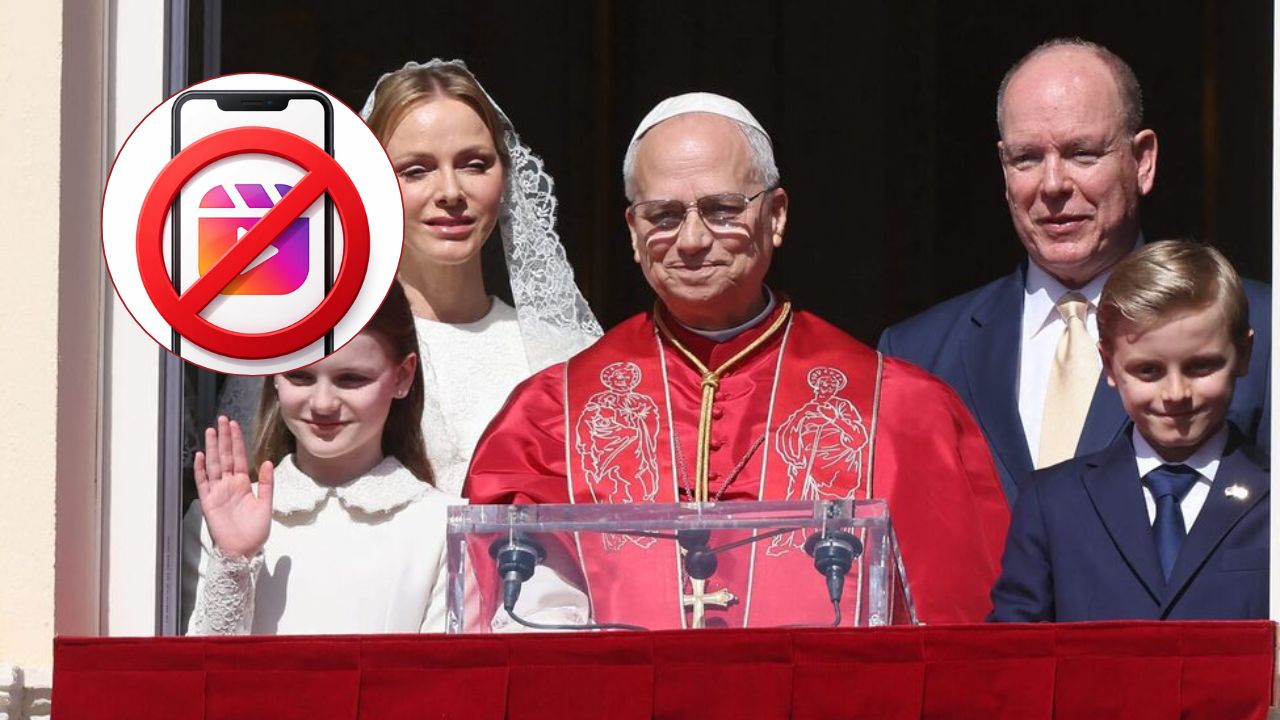
One final detail is worth noting. In this image, attention is drawn to the person at the center. The then-Cardinal Prevost participated in the synodal meetings. He will now face the task of making the final decisions in his role as pope.
Trans. VL