Over the past few days we’ve been explaining the ins-and-outs the papal trip to Turkey – today it’s time for a change of scenery. We’re heading to Lebanon, but let me tell you one the most striking contrasts between the two countries.
During the trip, we’ve been speaking with our colleagues on the ground, those following the minute-by-minute updates, and Pope Leo’s steps in both countries, and they told us the following.
In Turkey, they said, the anticipation surrounding the pope’s arrival was not very high, at least socially. This makes sense if we consider that 99% of the country is Muslim. Many people didn’t understand why the streets were blocked; when asked if they knew who Pope Leo XIV was, locals didn't have any answer, and this was noticeable during the pope’s events in the country.
TRIP TO LEBANON
A WARM WELCOME FOR THE POPE
That's a dramatically contrasting reality to the welcome we saw yesterday in Lebanon, despite the fact that not everything was in favor of such a warm reception. At first, everything went well. The president of the republic and his wife welcomed the pope, but then it happened: the skies opened and it began to pour.
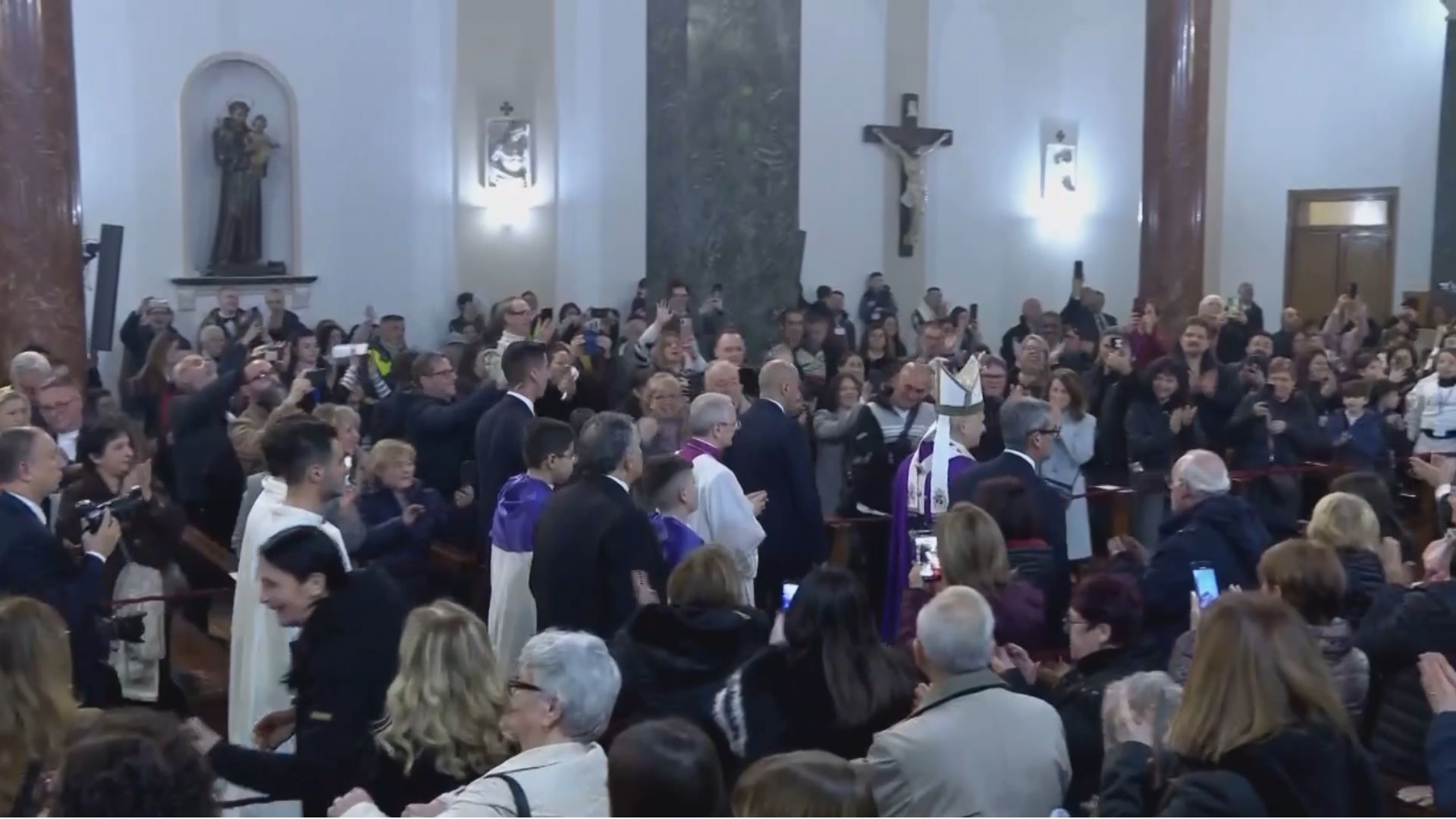
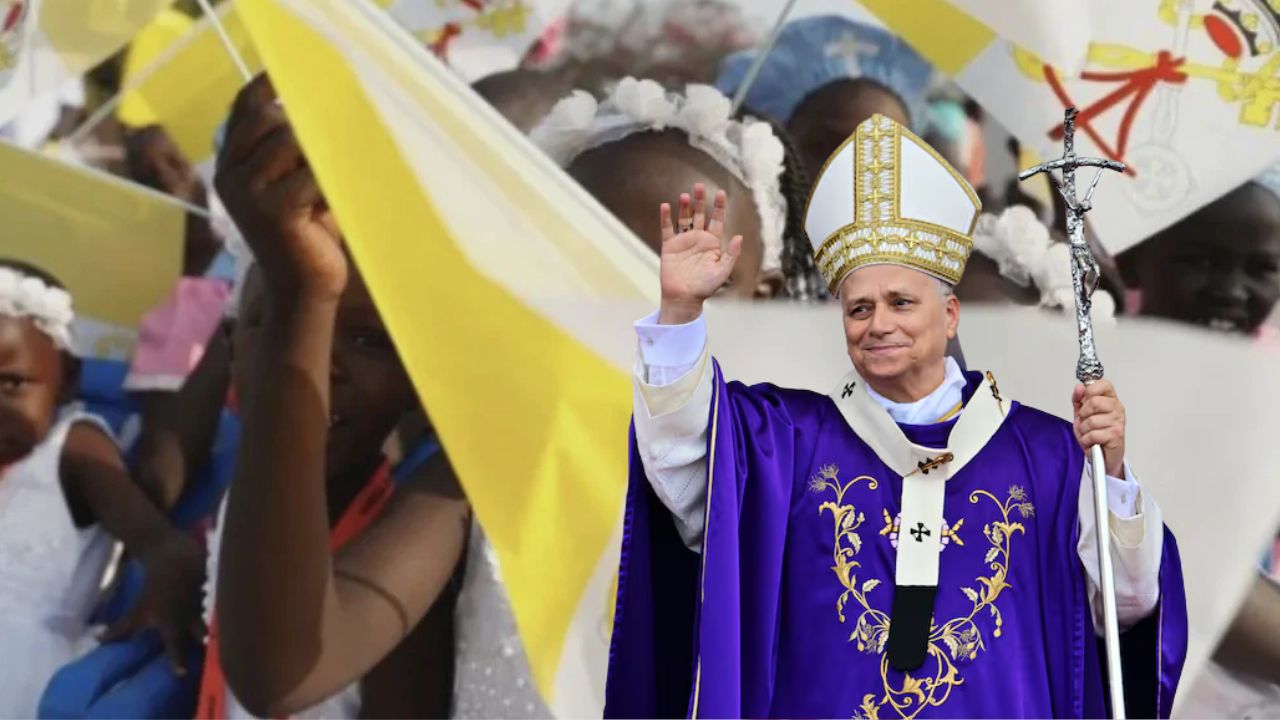
Look at how streets of Beirut were as many awaited the pope. Despite the rain, people didn’t hesitate to come out to see Pope Leo. A sea of white umbrellas waited for him with many carrying signs, Vatican flags, and welcome messages.
The downpour wasn’t much of an obstacle for Pope Leo either. He didn’t come out in a car, but in a covered popemobile. His expression was one of astonishment. He looked around in surprise—moved by seeing so many people receiving him in their country. The rain clearly didn’t bother this group either; they were getting soaked, but, as you can see, the rain was not a problem for them.
TRIP TO LEBANON
A NOD TO THE POPE’S HOBBIES
The family of the president of Lebanon didn’t miss the chance to make this friendly gesture toward the pontiff. It seems they know the Pope well and have kept up with his personal interests.
Here you can see the couple’s children, who gave Pope Leo a tennis racket made in the country, and of course, tennis balls to go with. We know that Pope Leo uses his getaways to Castel Gandolfo to play the sport, so now he’ll have something help him practice.
TRIP TO LEBANON
HOW DO THE INSTITUTIONS WORK?
Everything we’re describing about the president and the welcome in Lebanon has a lot to do with the political, historical, and religious context of the country. Let’s quickly dive into the structure of Lebanese institutions.
We have to go back to the 1943 pact: Lebanon gained independence from France, and the two main communities came to an agreement to avoid domination by either side.
It was then that they decided to divide political power by religious affiliation. That’s why the president, the one who welcomed Pope Leo, is a Maronite Christian; while the prime minister is a Sunni Muslim; and the speaker of parliament is a Shia Muslim. However, the problem is that this system also opened the door for radicalized parties such as Hezbollah.
This also explains the huge welcome for Pope Leo XIV. Their society is more evenly divided in different religious groups than Turkey. In Lebanon, roughly 65% of the population is Muslim and 35% Christian.
TRIP TO LEBANON
STRONG SECURITY MEASURES
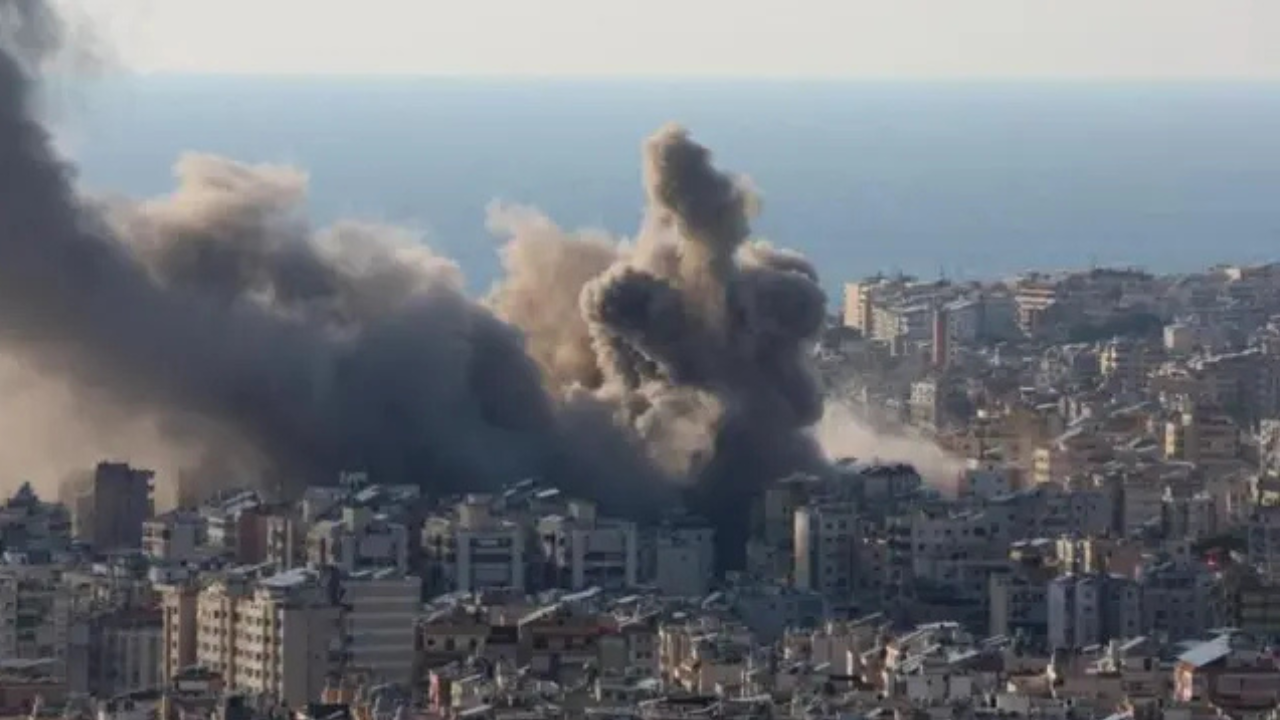
While Lebanon is geopolitically crucial, it's facing severe internal problems, marked by economic collapse, unemployment, and currency devaluation. Its border with Israel makes in the line of fire of the Israeli–Palestinian conflict. Any escalation in Gaza could quickly spread southward into Lebanon, which is exactly what happened in recent months.
And, although we’ve seen this in other papal trips, look at how the Pope Leo's plane arrived in Lebanon—escorted by two fighter jets from the Armed Forces.
What our colleagues in Lebanon also told us is that the security measures are much stricter than those in Turkey, with many security checks even for journalists. Soldiers inside the vehicles have even escorted correspondents to the Pope’s events.
TRIP TO LEBANON
PRAYER BEFORE A HERMIT SAINT
Then this morning, Pope Leo XIV visited the tomb of Saint Charbel, one of Lebanon’s most important saints, highly venerated by both Christians and Muslims. He was a hermit with many miracles attributed to his intercession. The Pope went this morning to pray before his tomb.
Then, the same image from yesterday repeated itself. The streets were packed with people waiting for the pope, even up on the rocks. The entire route filled with people who wanted to see the Roman pontiff.
Let us recall that he is the fourth pope to visit Lebanon if we include Pope Paul VI, who only made a stopover. The others were Pope John Paul II and, most recently, Pope Benedict XVI in 2012.