Spiritual retreats are not optional for priests, seminarians, and religious; they are mandatory under Church law. Canon Law requires that all clergy participate in at least one retreat each year.
In his 1929 encyclical Mens Nostra, Pope Pius XI, decreed that he and the Roman Curia would participate in an annual, week-long retreat at the Vatican, meditating on the Spiritual Exercises of St. Ignatius of Loyola. This tradition continues to this day, although with tweaks depending on each pope.
Prior to the papacy of Pope Paul VI, the Vatican usually held the retreat during Advent, but the retreat is now held during Lent.
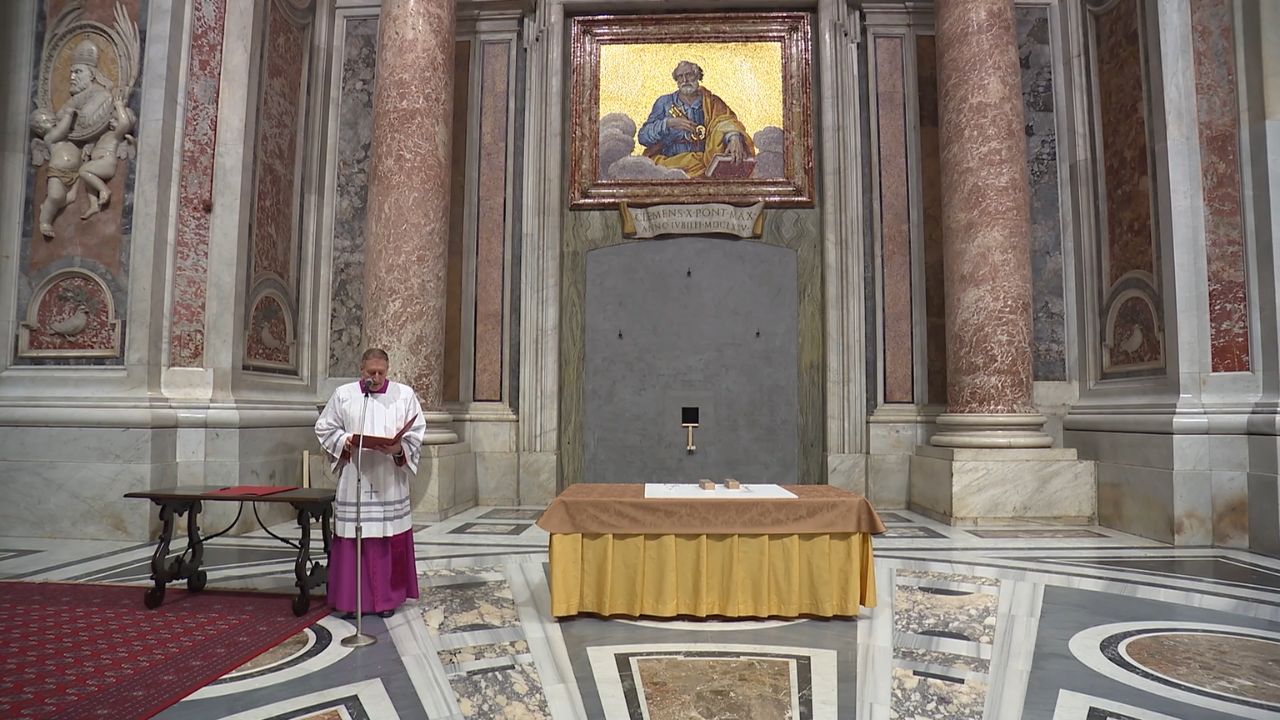
During the pontificates of John Paul II and Benedict XVI, meditations for the annual retreat were usually given in what was formerly known as the Matilde Chapel in the Apostolic Palace. This same chapel was later renamed to Redemptoris Mater in 1980.
Under Pope Francis, the venue was changed. He chose to hold the Spiritual Exercises outside Rome, at a house near Castel Gandolfo. The entire Curia would travel there by bus—a practice that continued until 2020.
Due to Covid-19 and increasing health risks, Pope Francis canceled the retreat, instead asking members of the Curia to pause their schedules and turn as a community to private prayer.
In 2025, while hospitalized, Pope Francis followed the exercises remotely, while members of the Curia listened to the meditations from the Paul VI Hall in the Vatican.
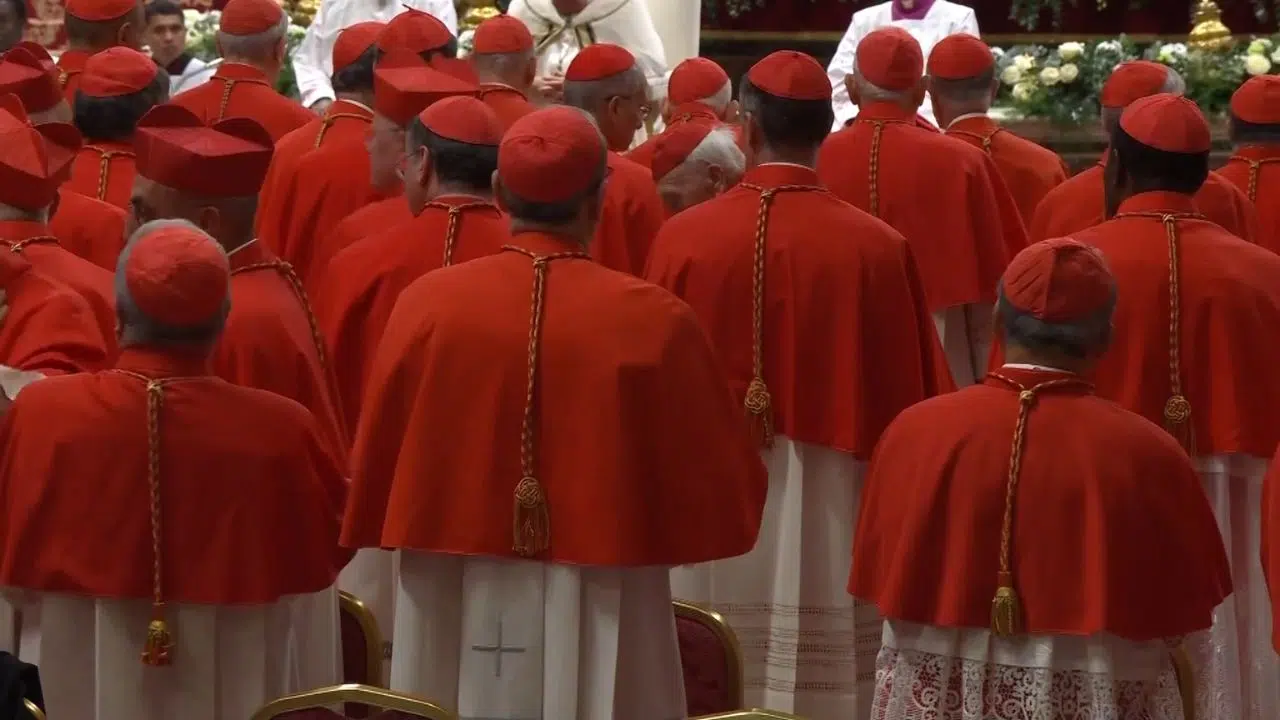
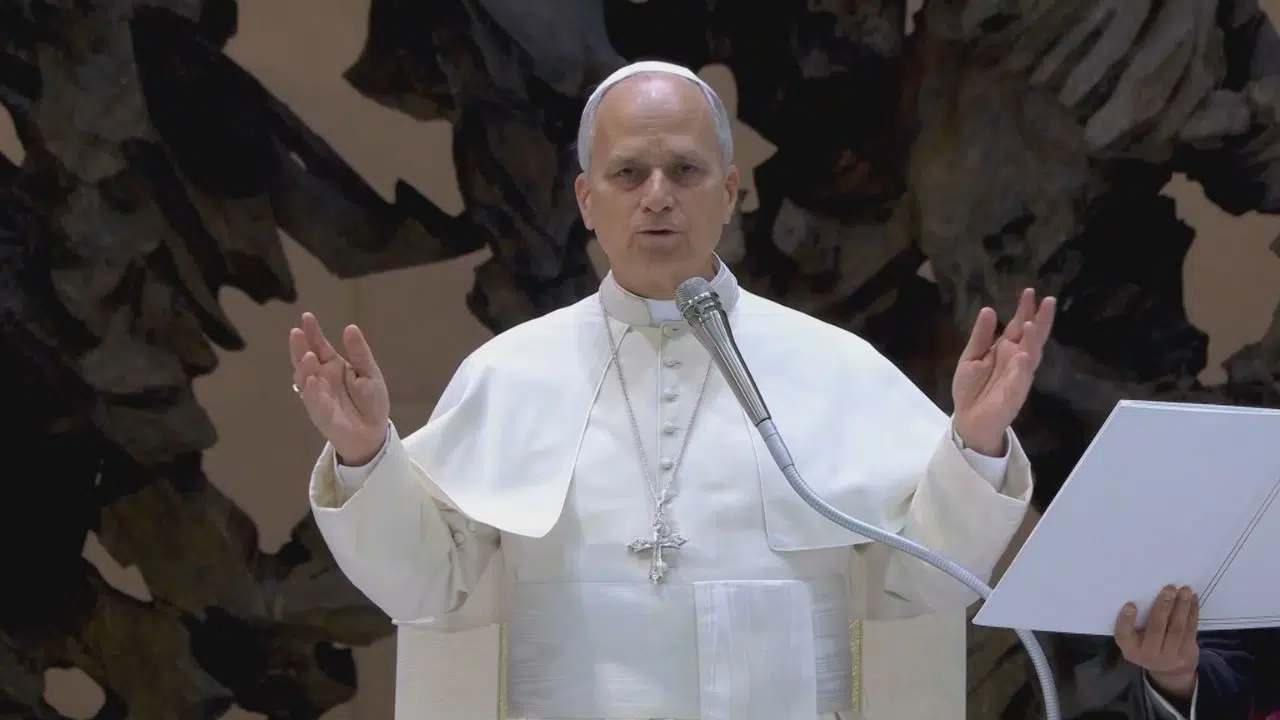
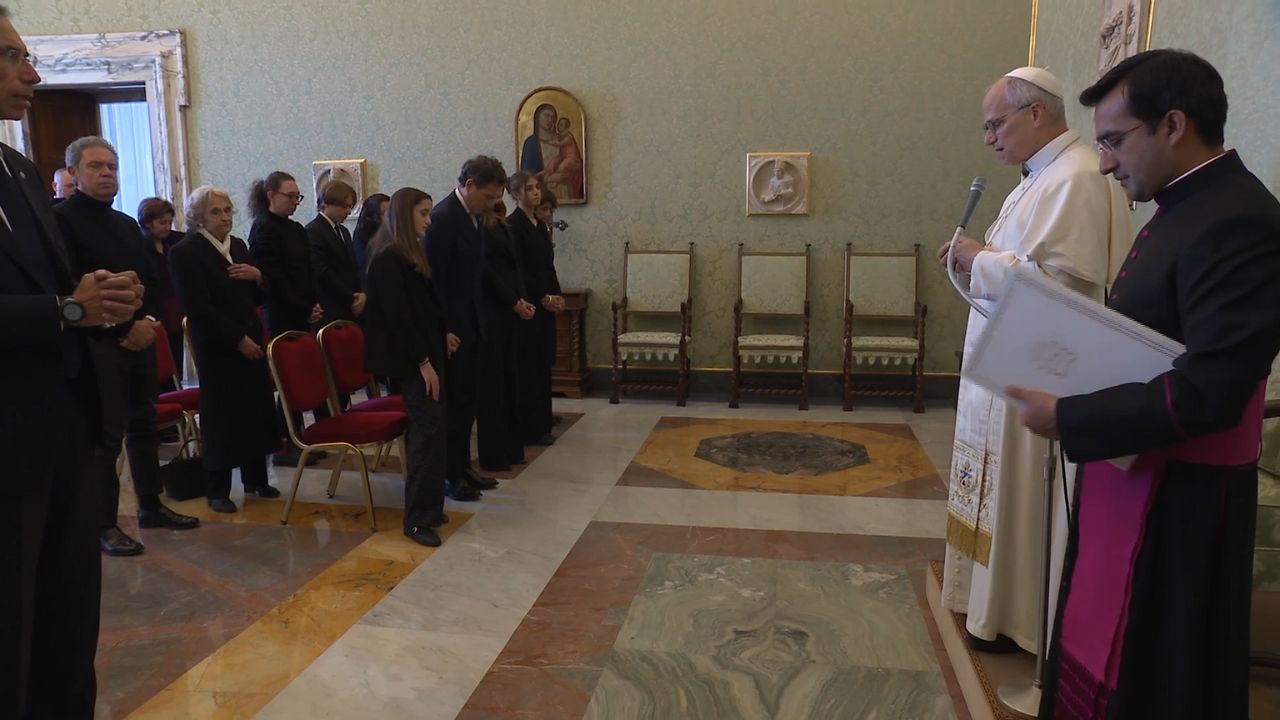
Entering 2026, Pope Leo has decided to return to this tradition in its full respect, hosting the annual retreat in the Apostolic Palace from February 22 to 27. The specific location for the retreat has not yet been disclosed.
It also remains to be seen who the preachers for the Spiritual Exercises will be—Augustinians, perhaps? Previous preachers at past retreats have even gone on to become popes.
Some of our last popes, for example: Karol Wojtyła, later Pope St. John Paul II, delivered the meditation for the annual retreat before Pope Paul VI in 1976.
A year earlier, the same pope had invited theologian Joseph Ratzinger, later Pope Benedict XVI, to give the meditation. Ratzinger declined at the time, saying he did not feel prepared to speak in English or French. He eventually did so while John Paul II was pope, in 1983, when he was serving as Prefect of the Congregation for the Doctrine of the Faith.