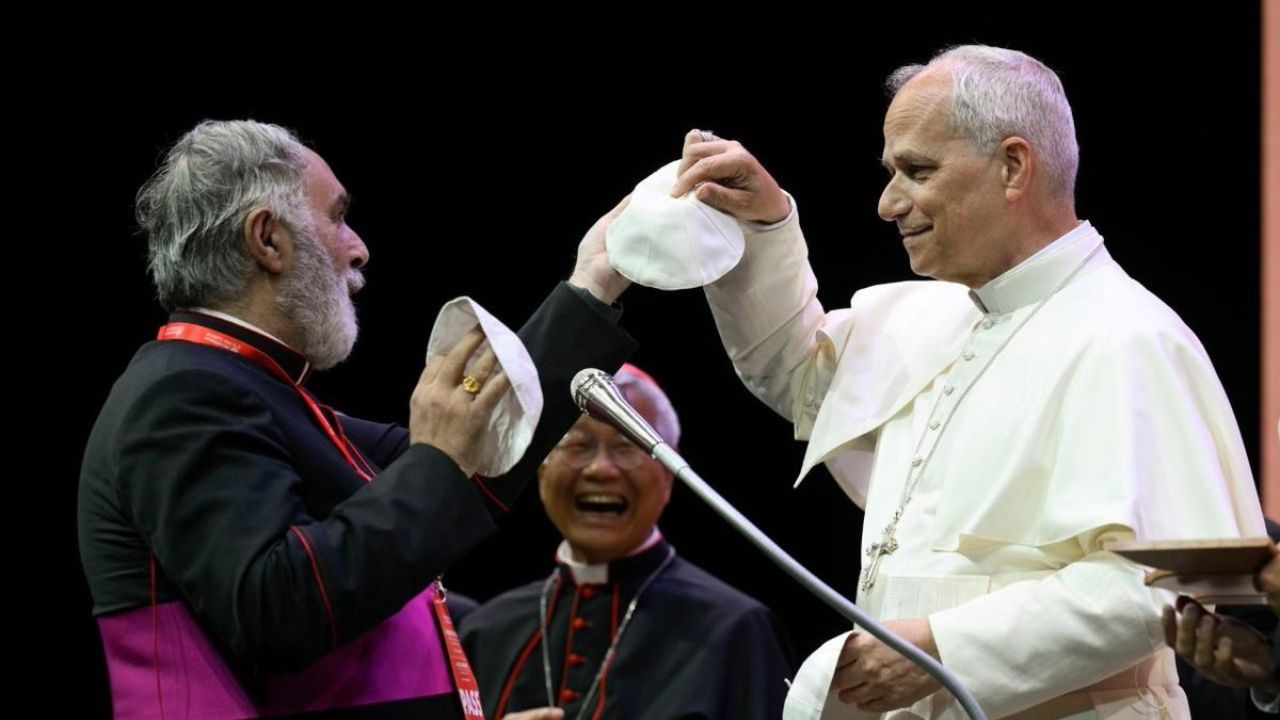
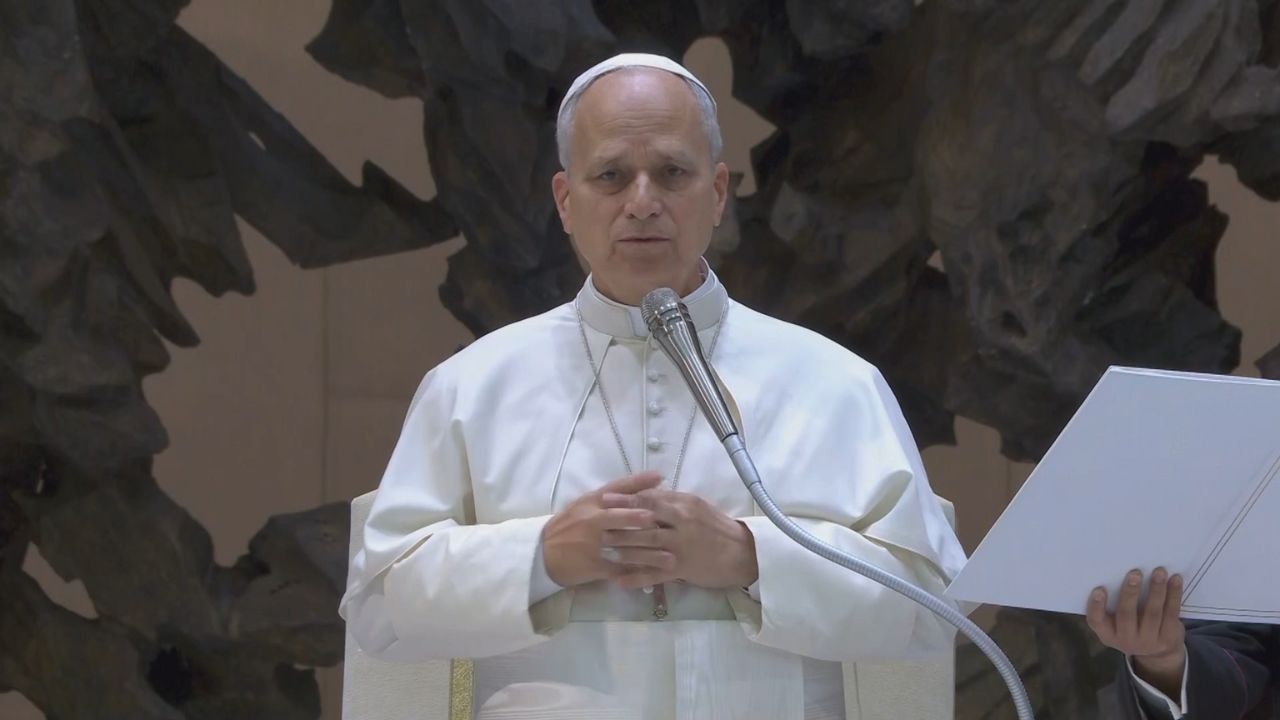
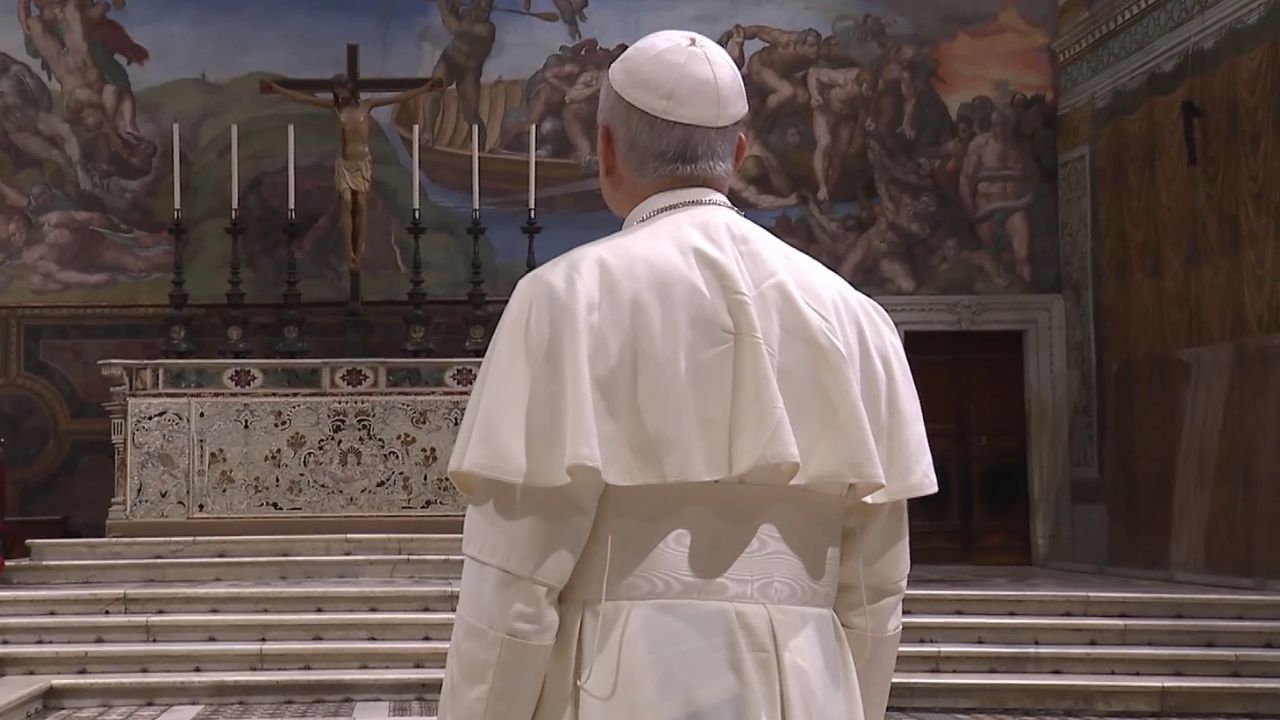
Surely, when you've gone to Mass, you've noticed the following... The priest is not always dressed in the same color... It depends on the day or the time of year. Pay attention to these images...
White for the Easter and Christmas seasons, or to celebrate saints who were not martyrs.
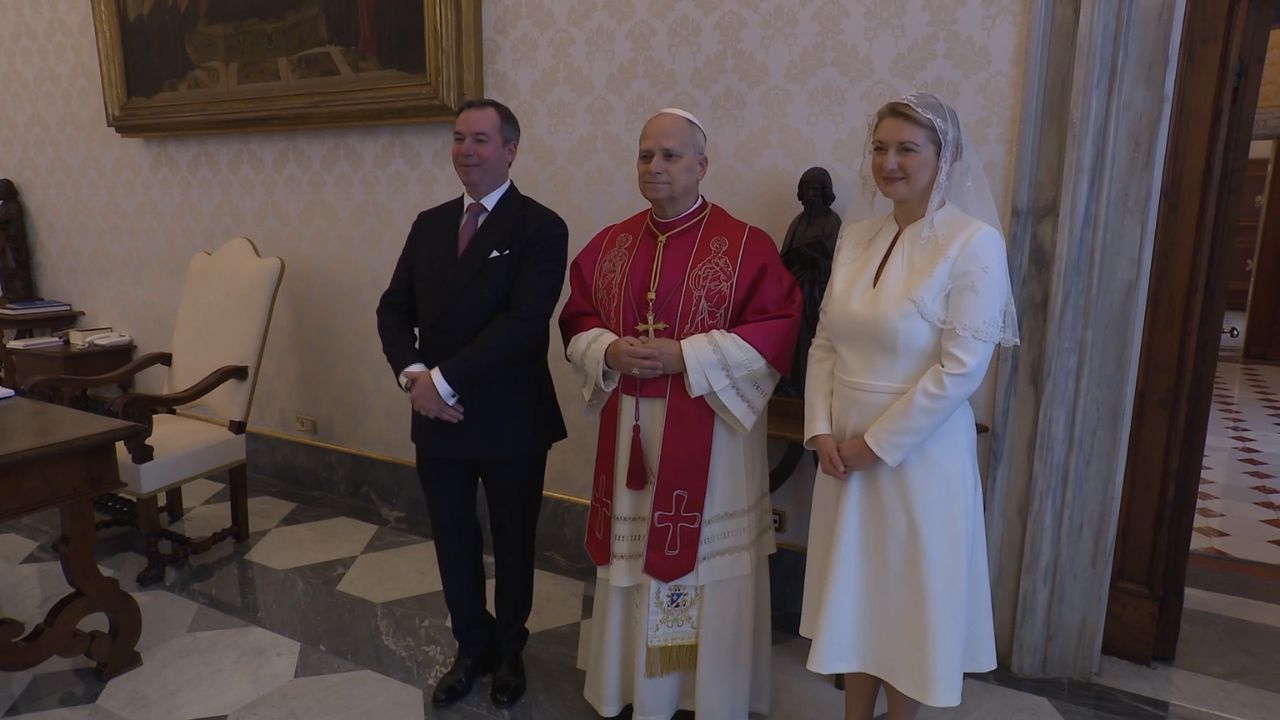
Red for Pentecost and, here, for the memory of a martyr...
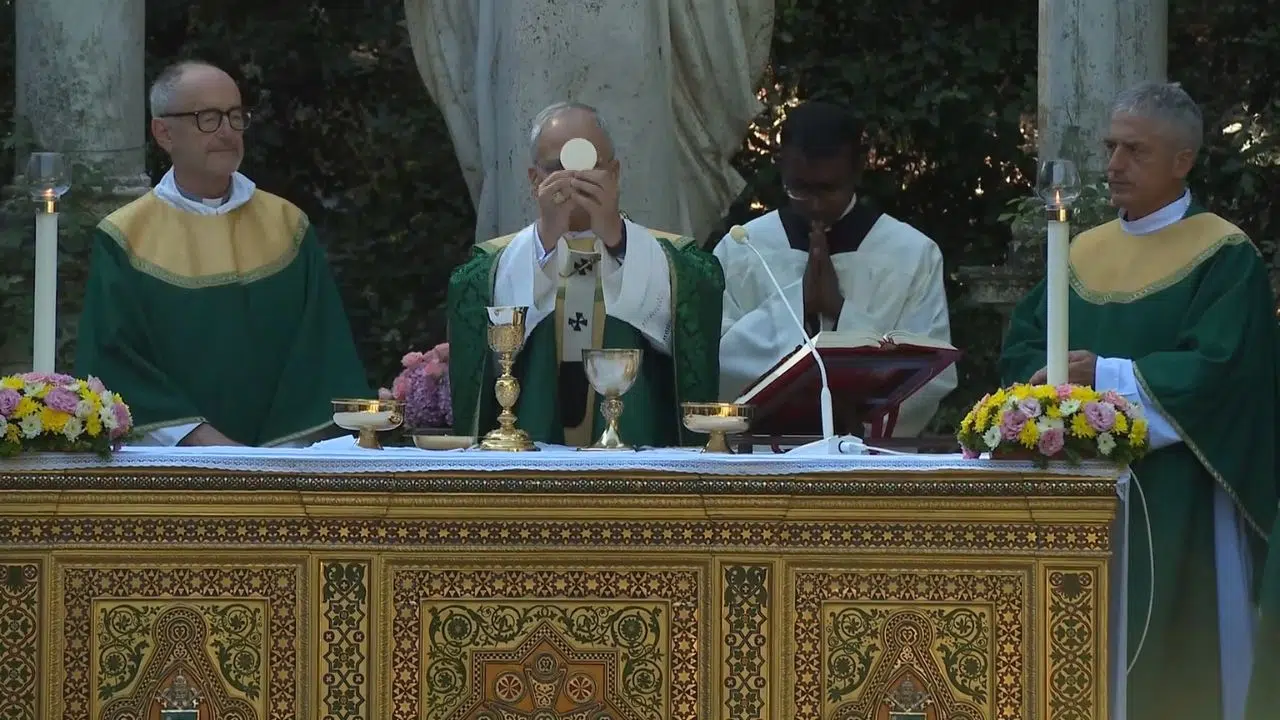
Green for Ordinary Time, which makes up the majority of the year...
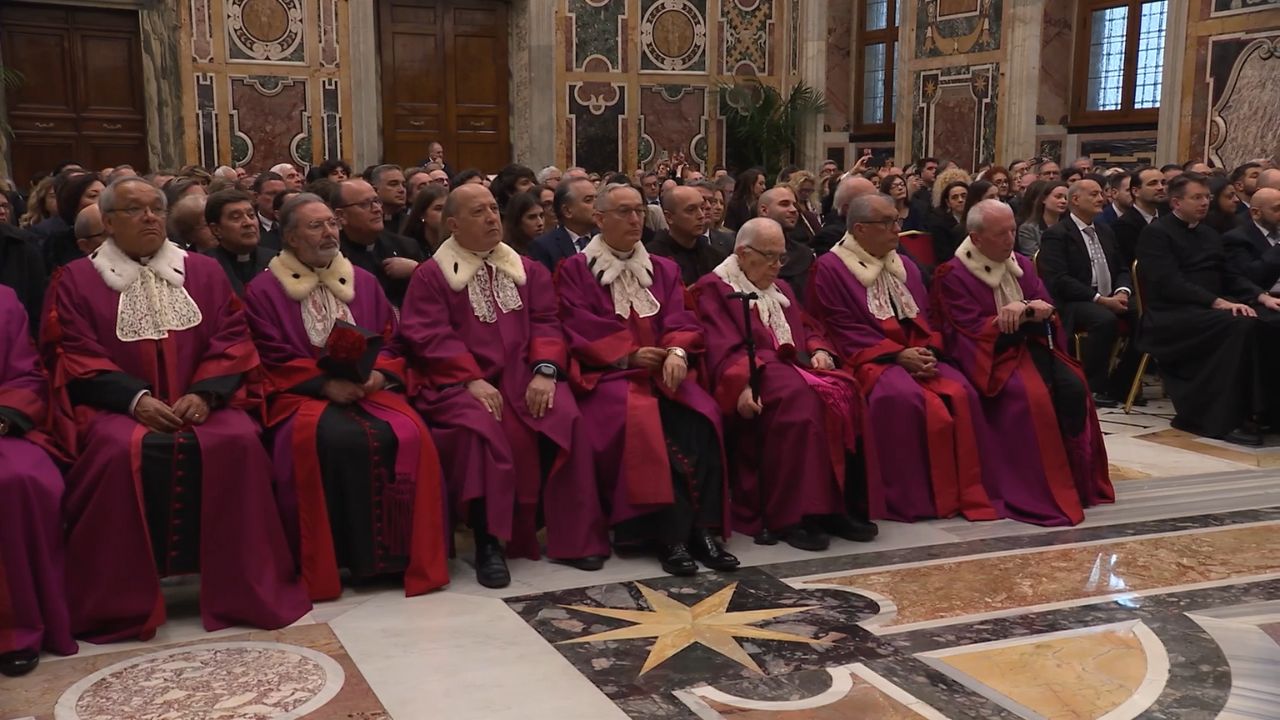
Purple, for times of waiting, like Lent and Advent...
Even pink, which is only used twice a year, right before Easter and Christmas...
Although these color changes are normal today, it wasn't always like this.
RAMÓN NAVARRO
Director of the Episcopal Commission for Liturgy (CEE)
In the beginning, in the early centuries of the Church, priests and bishops didn’t wear special garments to celebrate the Eucharist. They wore ordinary, everyday clothing — perhaps a bit more formal or newer, and so on. Little by little, during Constantine’s time, they were granted the ability to use the same attributes as civil magistrates, since bishops had authority over Christians.
It was this civil influence that gave rise to the vestments the Church has today.
For example, the stole or the pallium that the pope gives to archbishops on the feast of Saints Peter and Paul. However, the use of these colors has a more symbolic aspect than liturgical one.
RAMÓN NAVARRO
Director of the Episcopal Commission for Liturgy (CEE)
At first, there were no liturgical colors. Liturgical colors became standardized around the Middle Ages. In fact, if we look at the Byzantine rite, there are no liturgical colors.
You can see proof of that in Masses where a Catholic bishop of Byzantine origin participates. In that mass, they wear colors completely different from that used in the Roman rite.
This means that it’s not so much about the color itself, but rather about its meaning and how it helps to enter more deeply into what is being celebrated. For example, for Christians, the color of mourning is black; but for Jews and Muslims, it is white.
In short, the colors of liturgical vestments are essentially a social construct that has developed over time, but can help humans encounter and experience mysteries of God.
AM
Trans. CRT