On February 2, Catholics around the world celebrate the Feast of the Presentation of the Lord. Falling midway between the winter solstice and the spring equinox, and forty days after Christmas, the day commemorates Mary and Joseph presenting the Child Jesus in the Temple and once marked the end of the Christmas season.
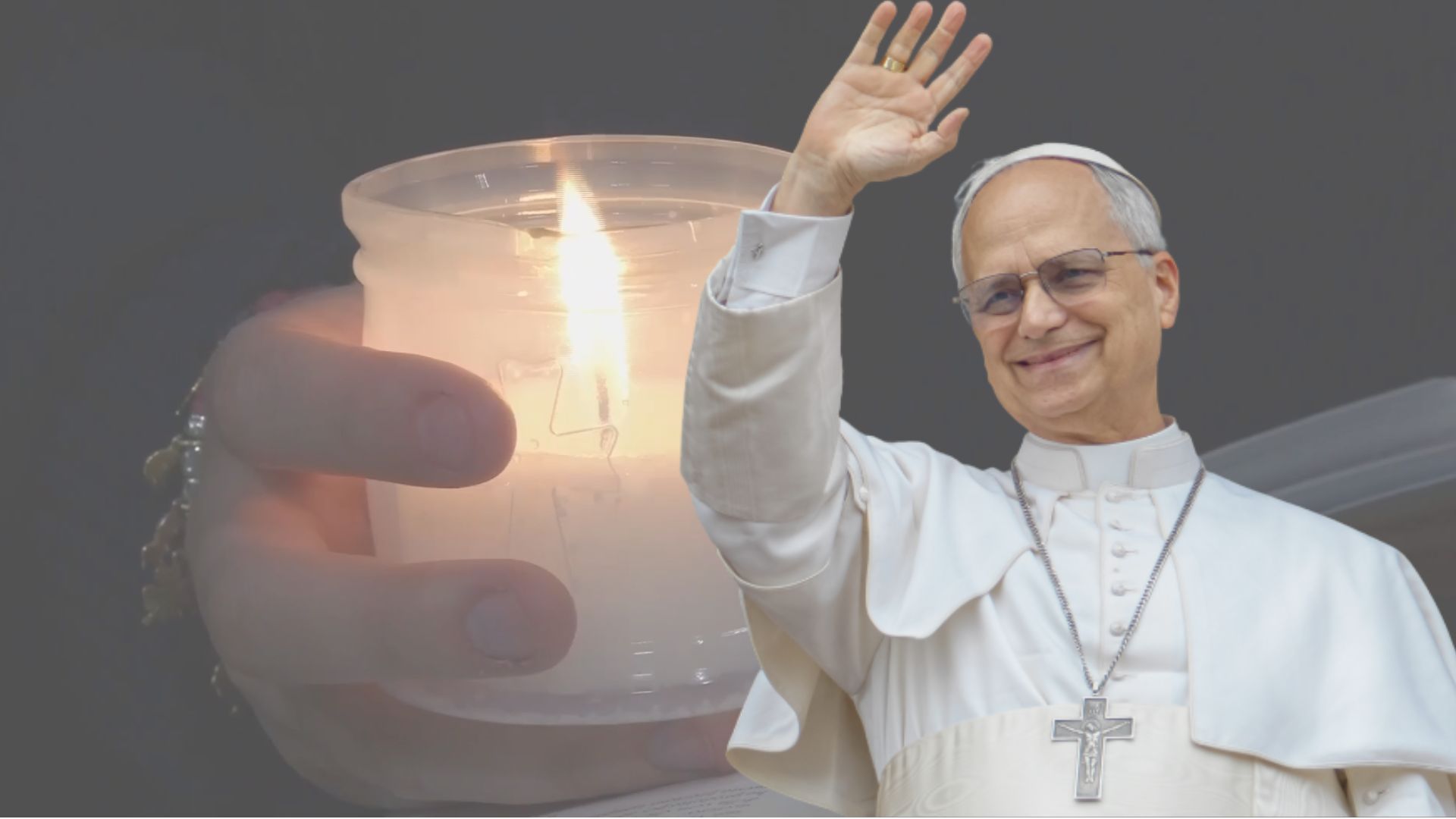
The feast day features the blessing of candles used in the homes of the faithful throughout the following year as symbols of Christ’s light. Therefore, it became known as “Candlemas”.
The celebration is also known as the Feast of the Purification of the Blessed Virgin Mary, as it corresponds to the Jewish tradition of a woman’s purification thirty-three days after a boy’s circumcision. In 1997, Pope Saint John Paul II established the World Day of Consecrated Life on the same date to recognize the great contribution of consecrated life in the Church.
Although the holiday dates back to the third century in the Eastern tradition, Candlemas rose in popularity in the fifth century under Pope Gelasius I. Many historians suggest that the pope may have introduced the feast as a replacement for the Roman festivals honoring pagan fertility gods.
However, since the fifth century, Candlemas has continued to grow in popularity, and its traditions have evolved across several countries.
In France, the custom of eating crepes is attributed to the same Pope Gelasius I. Their golden color and circular shape are meant to represent the Eucharist and the light of Christ.
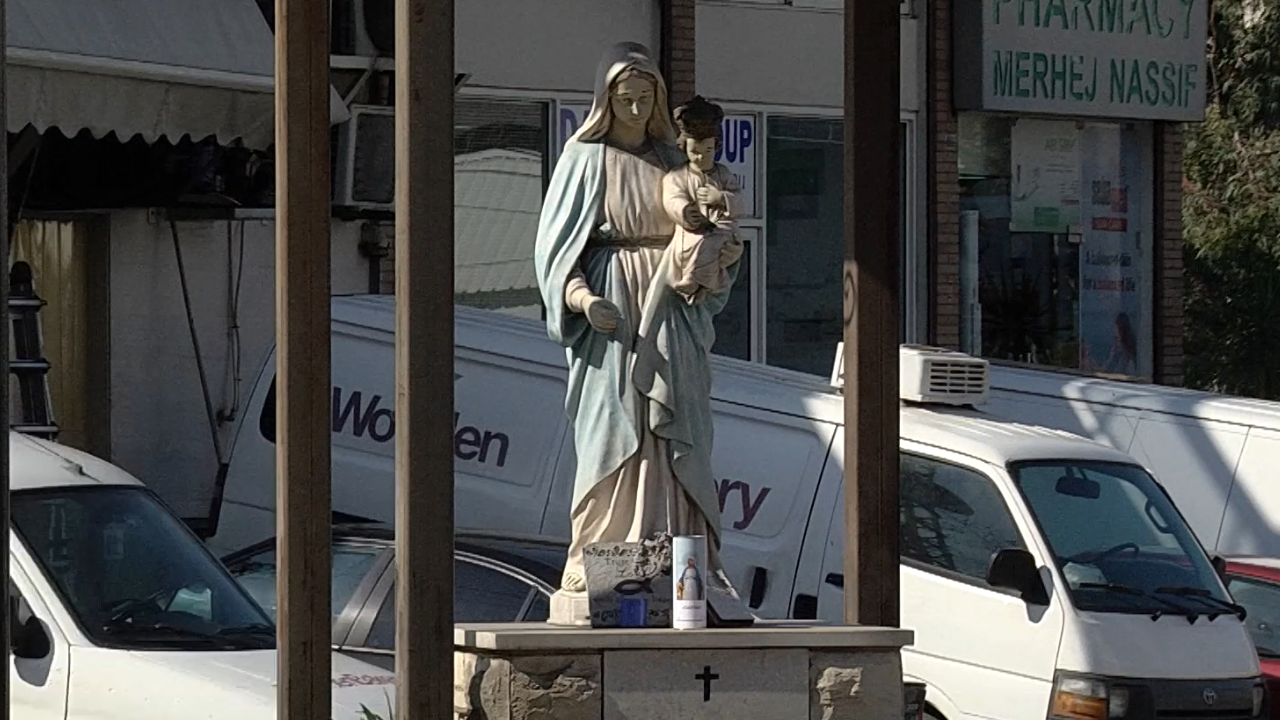
In Spain, Fiesta de las Candelas features bonfires, parades of blessed candles, and processions of the Statue of the Virgin Mary, alongside music, dance, and traditional dress.
When the Spanish brought this feast day to Central and South America, the Christian traditions mixed with already-existent festival of the Aztec rain god. Processions of the Virgin flood the street with brightly color dancers, and families gather together to make a stack of tamales to feed the village.
FR. JUAN MANUAL ESTRADA
Priest, Pontifical College of Mexico
A figurine of the baby Jesus that precisely represents the child who is hidden from the persecution of King Herod. And whoever finds it also somehow becomes the king of the party. But this boy also had a commitment. Because whoever finds the child, we say in Mexico, has to invite the tamales on February 2nd. And so, in a popular way, the gesture of finding the child is that on February 2nd it’s your turn to invite the tamales.
And well, on February 2nd in Mexico, it is traditionally when many families who had already laid the baby Jesus in the manger on December 24th, lift him up; we say this gesture of lifting because the baby is dressed in some robe, with some clothing, and is taken to the churches to be blessed.
Although Candlemas is influenced by several non-Christian cultures around the world, the celebration has become one of the most visually recognizable feasts of the Church and is felt deeply in the hearts of the faithful worldwide.