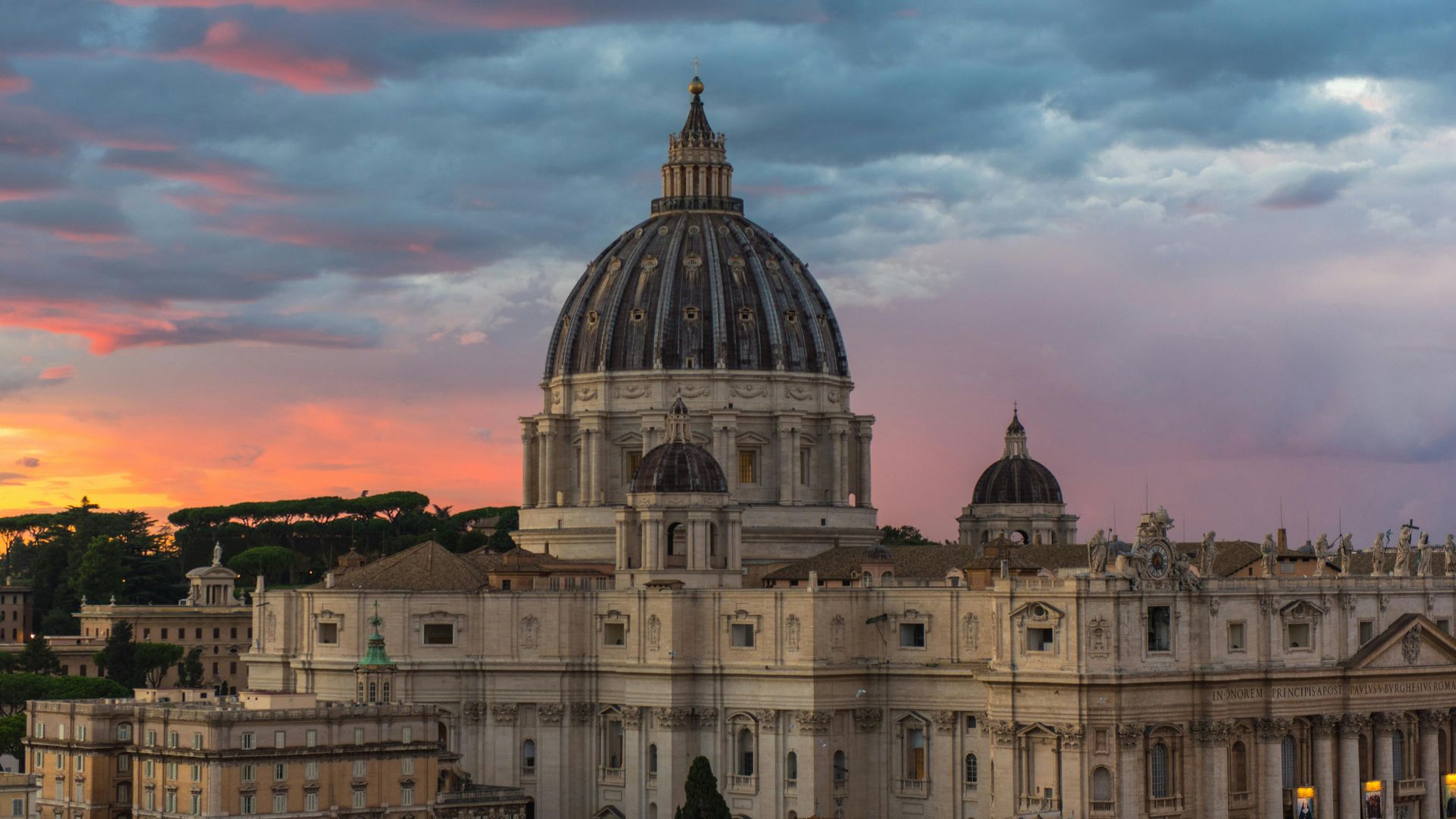
If there are still people who think that science and religion are opposed, they probably don't know about the Specola. It is the Vatican Observatory, one of the oldest in the world and it is still in operation. Its origins date all the way back to the 16th century.
SABINO MAFFEO
Astronomer
It was opened in 1891 by Leo XIII at the suggestion of Father Francesco Denza to demonstrate to the world that the Church was not opposed to science.
And although many Italians may be familiar with the location of the Vatican Observatory's main site in Castel Gandolfo—where the Popes’ summer residence is located—few people know there is a second site.
It is on Mount Graham, across the Atlantic in the state of Arizona, where there is little light pollution. One of the most modern telescopes in the world is there, and it is nearly two meters in diameter.
In 2012, two Vatican astronomers discovered two asteroids with the Mount Graham telescope. Fourteen years later, the asteroids were officially named after two Polish saints.
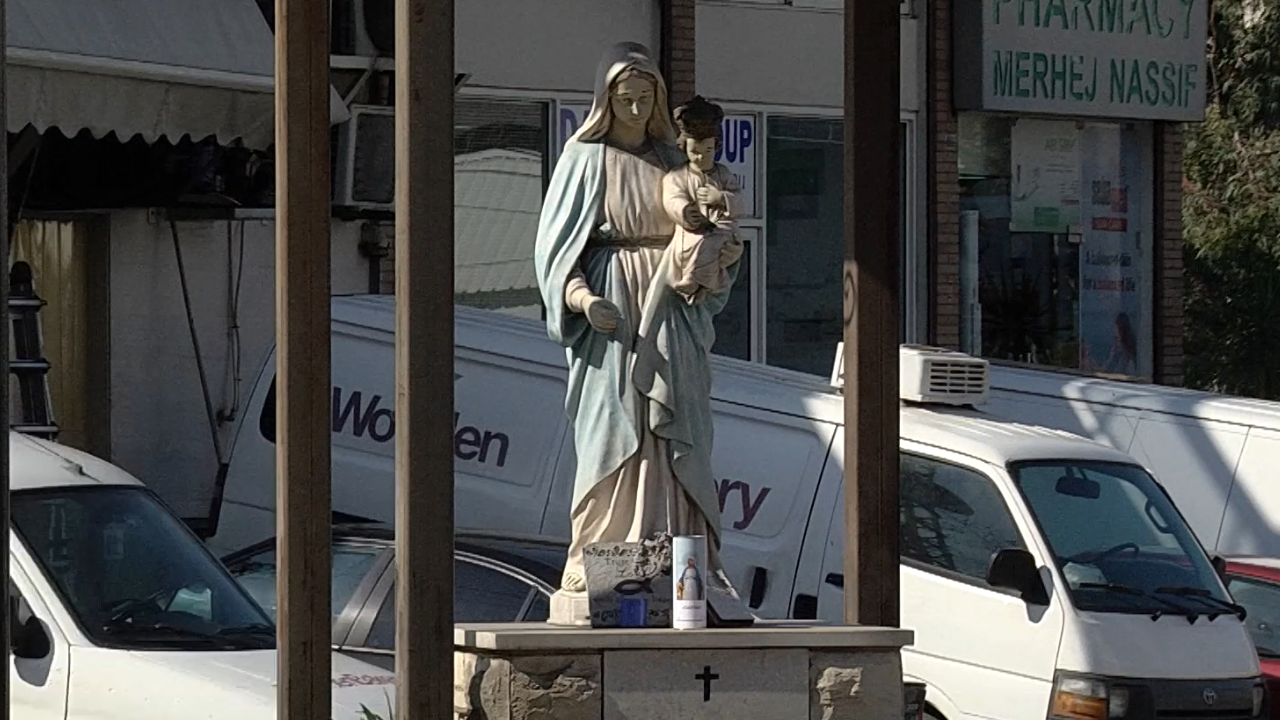
One is Saint Faustina Kowalska, a nun canonized in 2000 and promoted by Pope John Paul II, who became known for her devotion to Divine Mercy.
The other is Saint Ursula Ledóchowska, also canonized by the Polish pope in 2003, who stood out for her influential role in the field of education.
But these are not the only ones. There are also asteroids named after several Jesuit priests who were involved in discoveries, and there is even one that bears the name of a pope.
It is called 'Boncompagni', which was the name of Gregory XIII before he was pope. He was the one who ordered the reform of the calendar used today and who strongly supported astronomy at the Vatican.
But why, in the scientific world, would any asteroid bear the name of Catholic saints, a pope, or a priest? The answer is simple, but the process is long and takes time.
It all begins with the discovery and a provisional name and number. But an official name can only be proposed after an asteroid's orbit is confirmed. The naming must follow certain rules—commercial, political, or offensive titles are not allowed.
If the criteria are met, the International Astronomical Union usually approves names, making them official and charting them on our ever-growing map of the night skies.