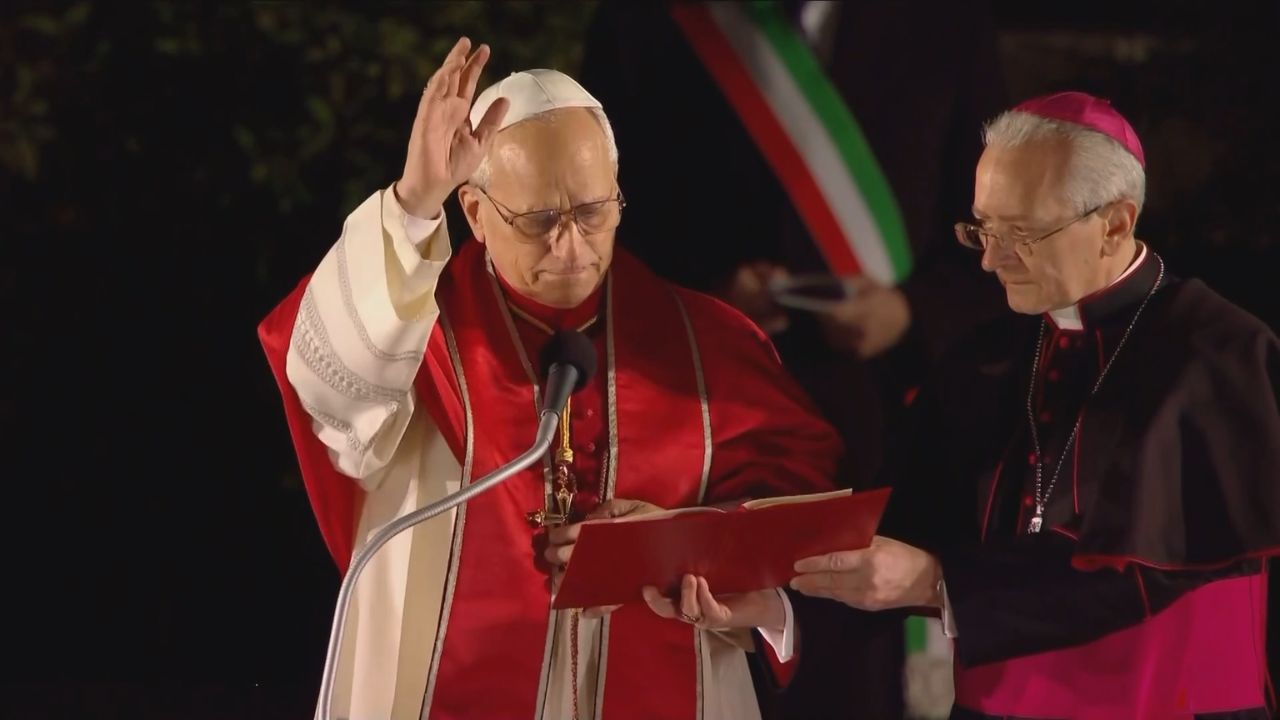
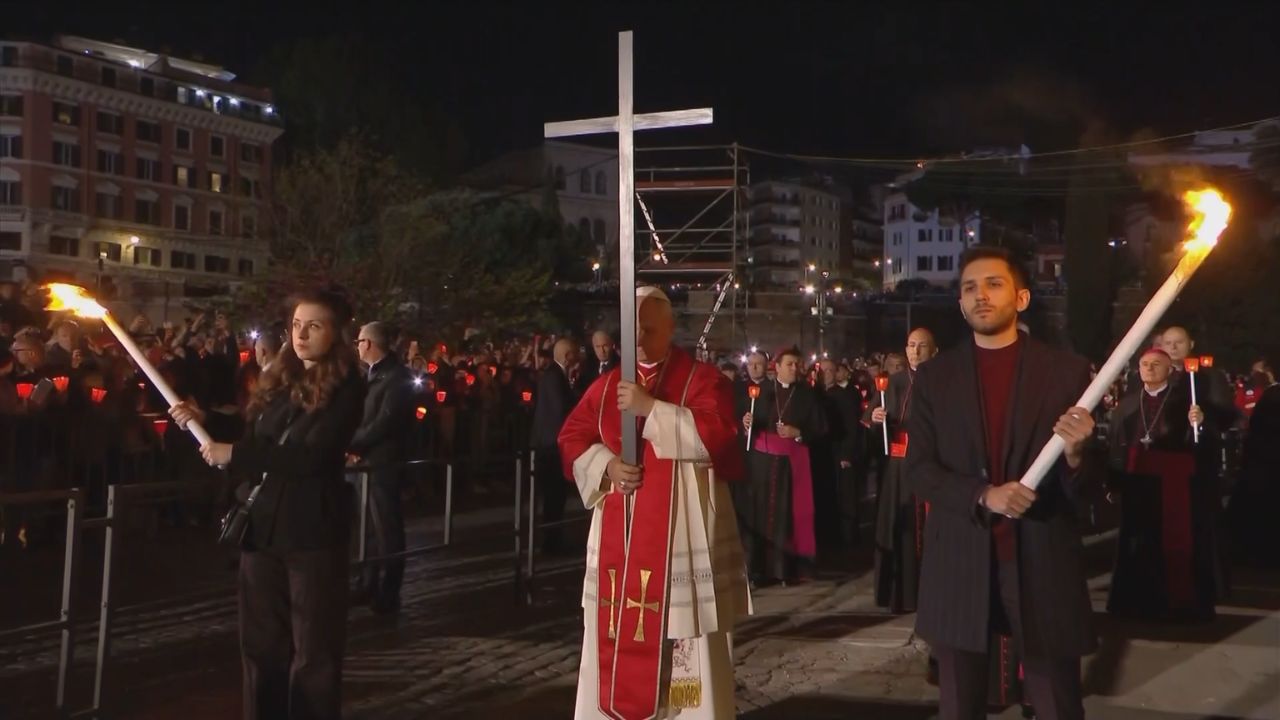
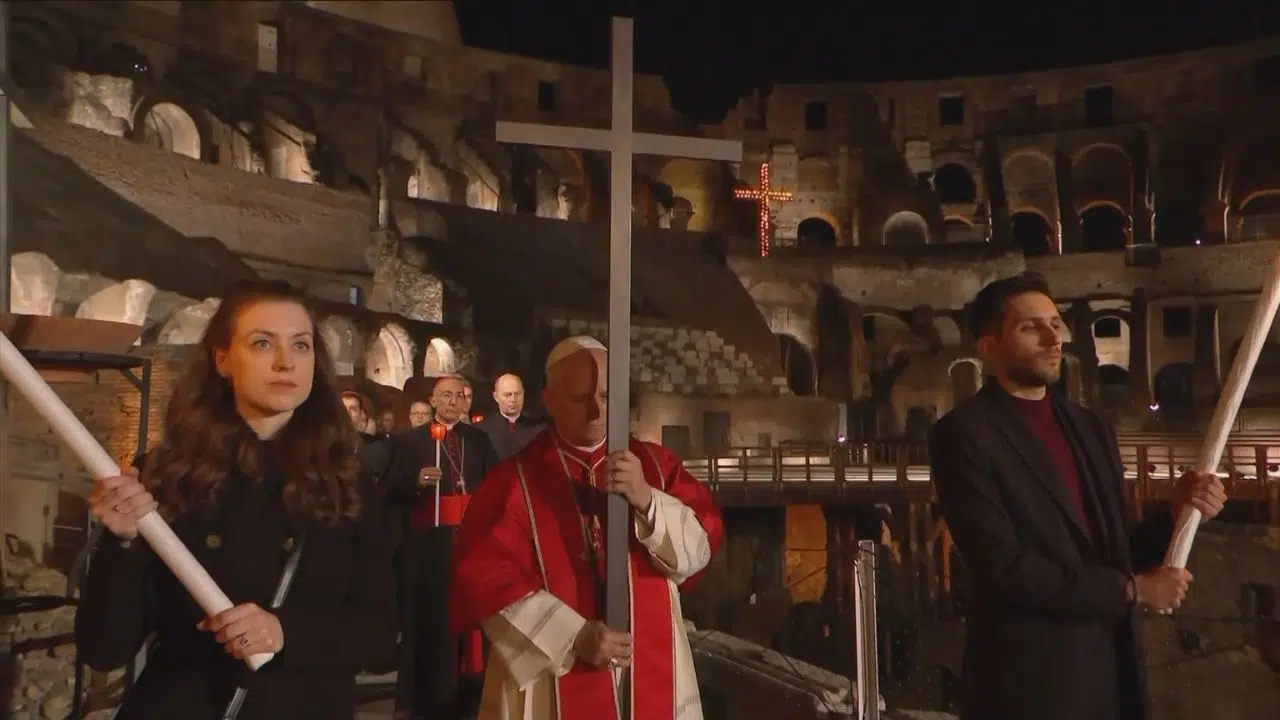
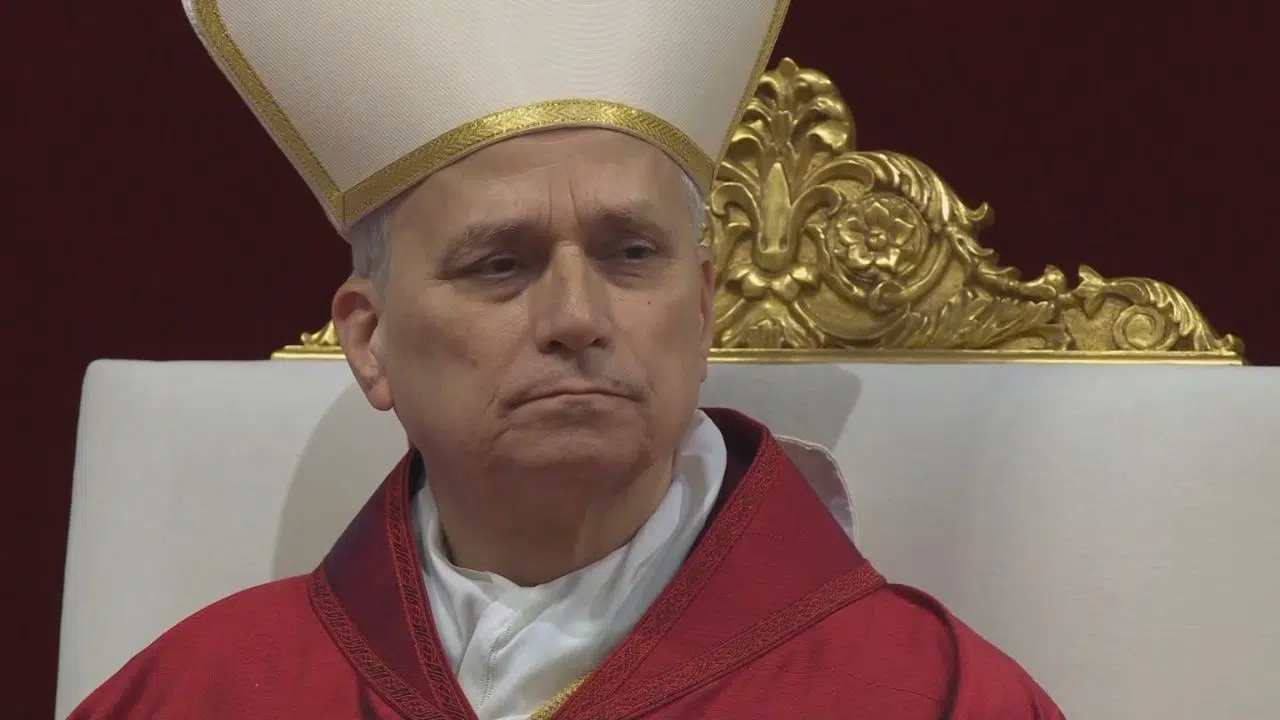
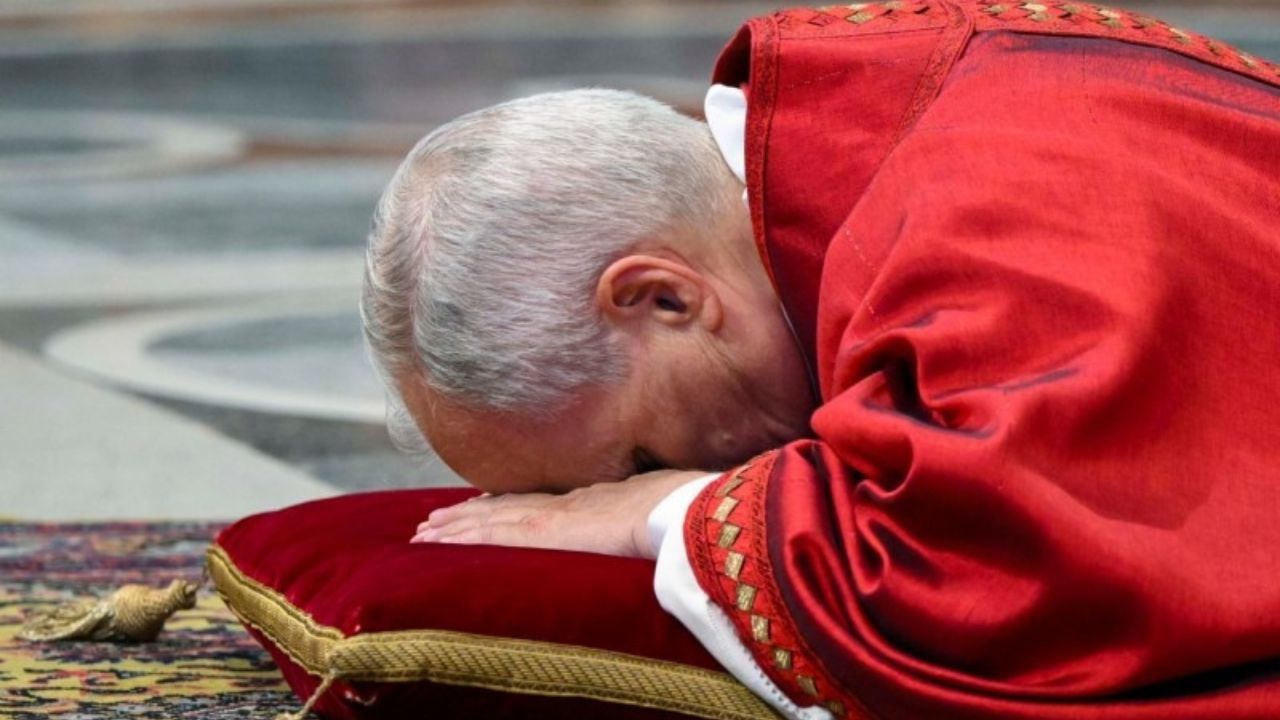
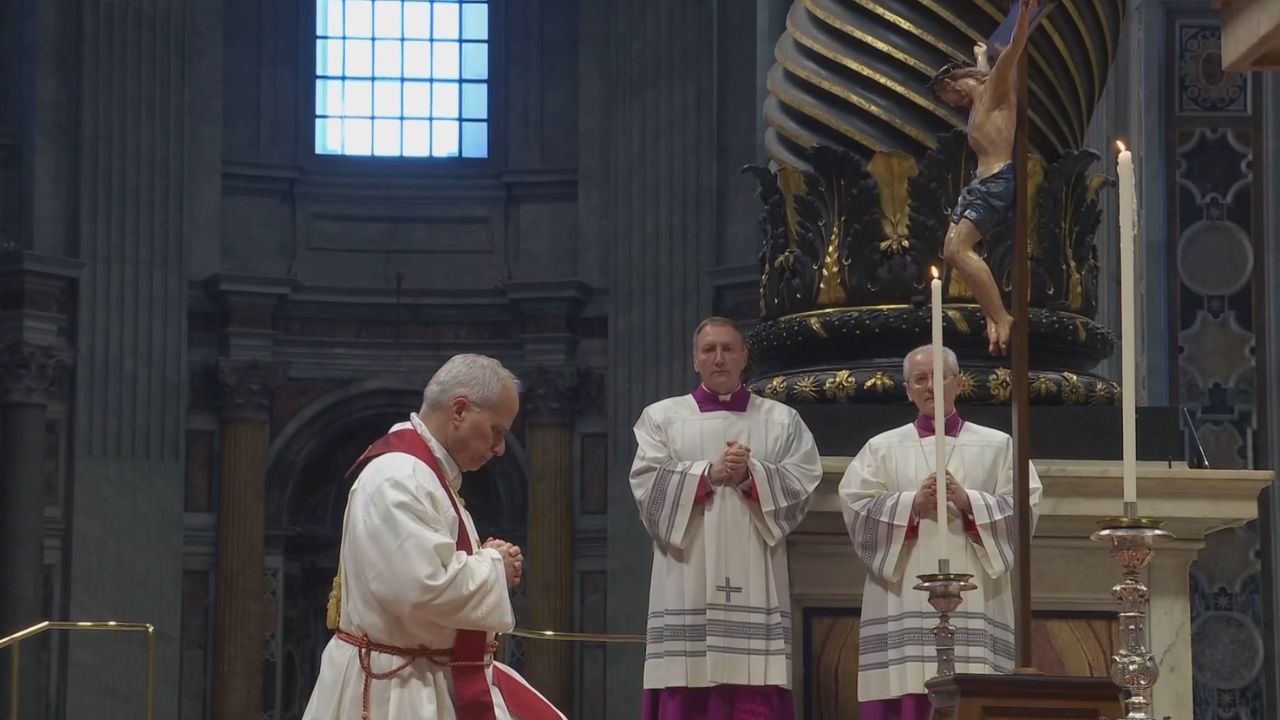
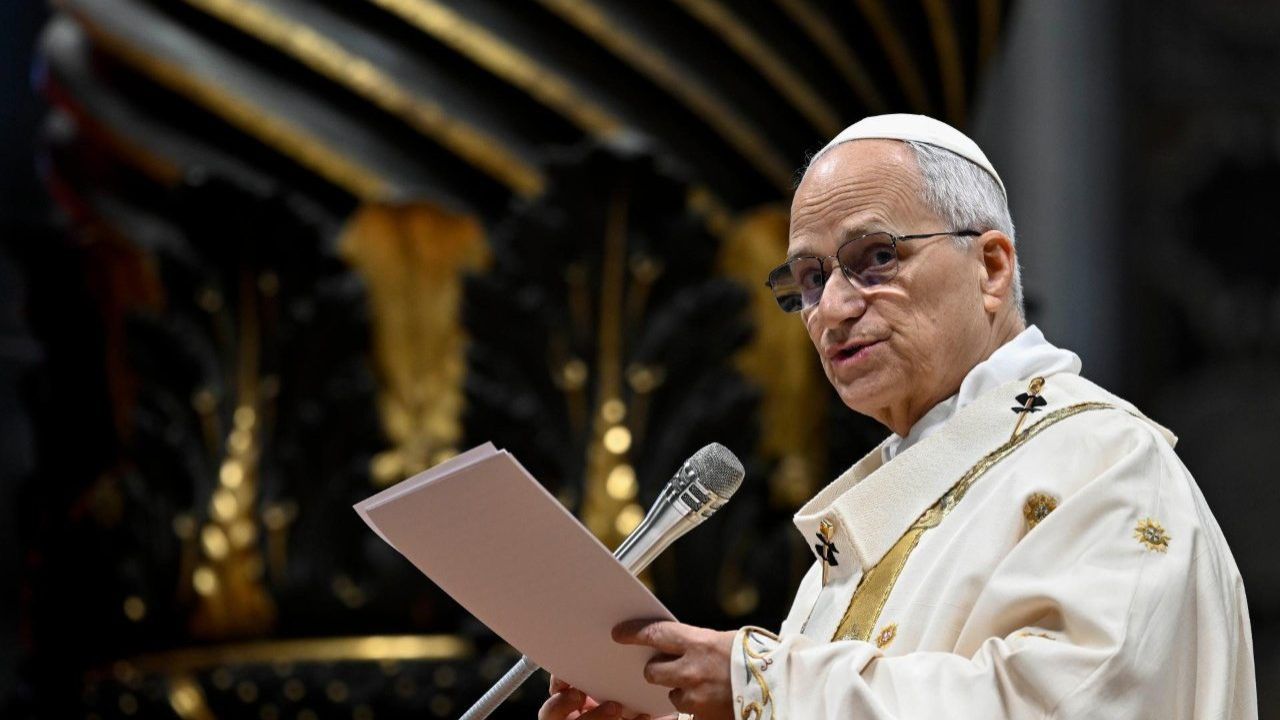
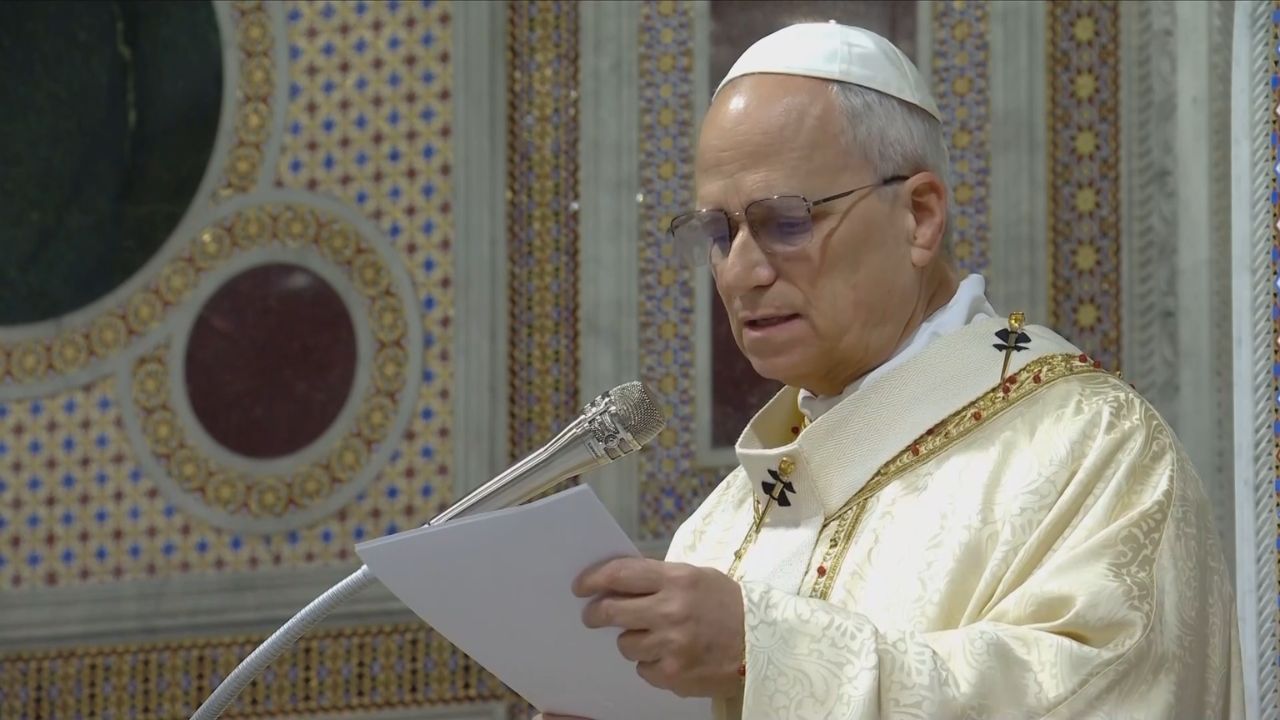
Ash Wednesday in Rome began like this: with a procession from the Church of St. Anselm to the Basilica of Santa Sabina. A short 200-meter walk, presided over for the first time by Pope Leo XIV.
Once at Santa Sabina, located on the Aventine Hill—one of Rome’s seven hills—he began the Mass to commemorate the start of Lent, a holy season dedicated to preparation and penance before Easter.
POPE LEO XIV
Lent, even today, is a strong time of community: ‘Gather the people, call a solemn assembly.’ We know how increasingly difficult it is to bring people together and to feel like a people—not in a nationalistic or aggressive way, but in the communion in which each person finds his or her own place.
The pope also took the opportunity to highlight the role young people play in the Church.
POPE LEO XIV
It is they, in fact—the young—who clearly perceive that a more just way of living is possible and that there are responsibilities for what is not working in the Church and in the world.
Pope Leo also spoke about sin, noting that it is always present in daily life and at every level. He encouraged reflection on this during this liturgical season.
POPE LEO XIV
Certainly, sin is always personal, but it takes shape in the real and virtual environments we frequent, in the attitudes with which we influence one another, often within actual ‘structures of sin’ of an economic, cultural, political, and even religious nature.
The rite of the imposition of ashes is the most characteristic moment of this day. It symbolizes human fragility and mortality. The pope was the first to receive the ashes.
He then imposed the blessed ashes on the cardinals and many of those present.
Covering oneself with ashes has been a sign of repentance since the times of the Old Testament, expressing the desire to begin a time of interior renewal, which, for Christians, ends in the joy of Easter.