The situation in the Middle East is growing increasingly concerning. The conflict continues to grow, and more and more countries have become involved: Bahrain, Kuwait, Qatar, the United Arab Emirates, Iraq, and Lebanon.
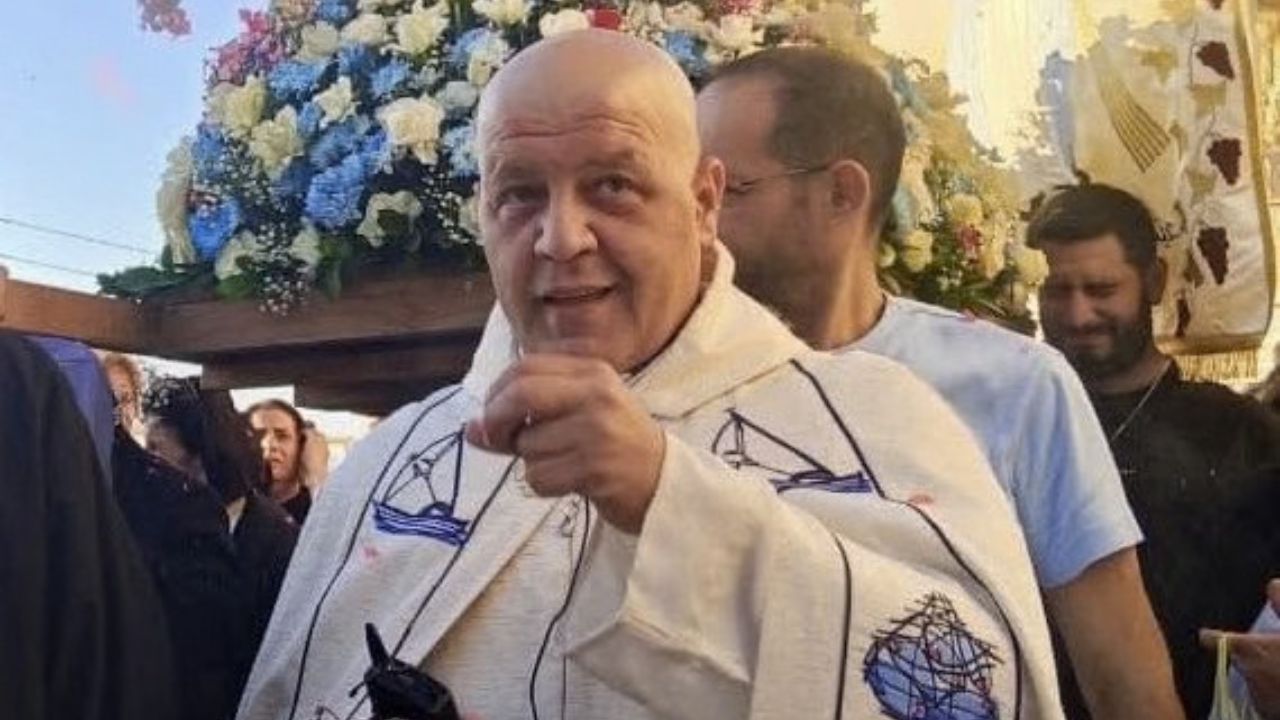
We have heard about Lebanon on many occasions—not only because of the continuous bombings taking place there, but also because of Fr. Pierre El Raii, the Maronite parish priest whose death has shocked the entire Christian community around the world.
The Biblical 'Land of the Cedars', Lebanon has turned to the Holy See, asking for help and protection for Christians living in the south, on the border with Israel.
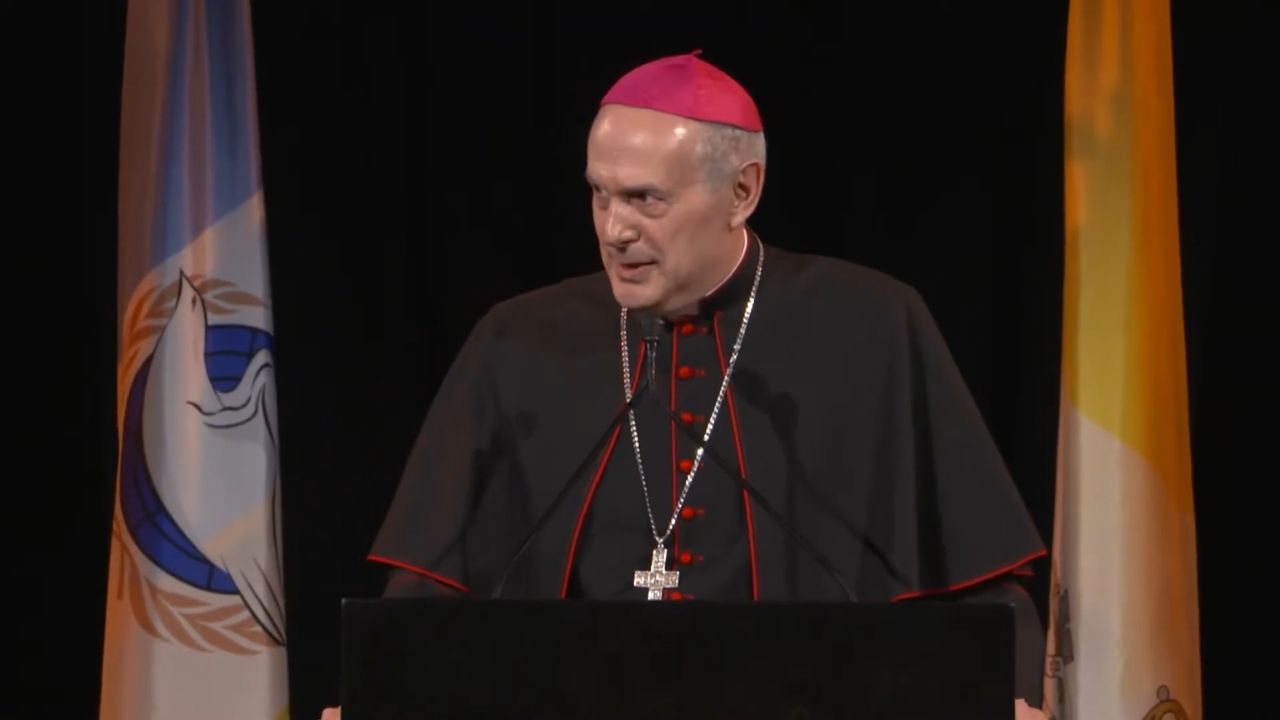
The Minister of Foreign Affairs, Youssef Raggi, explained on his X (Twitter) account that he had held a phone conversation with Archbishop Paul Richard Gallagher, Secretary for Relations with States and International Organizations.
"I asked the Holy See to intervene and mediate to help preserve the Christian presence in those villages, whose inhabitants have always supported the Lebanese state and its official military institutions and have never wavered in that commitment."
This goal of maintaining Christian presence in Lebanon was already something that Pope Leo XIV himself had emphasized during his first apostolic journey.
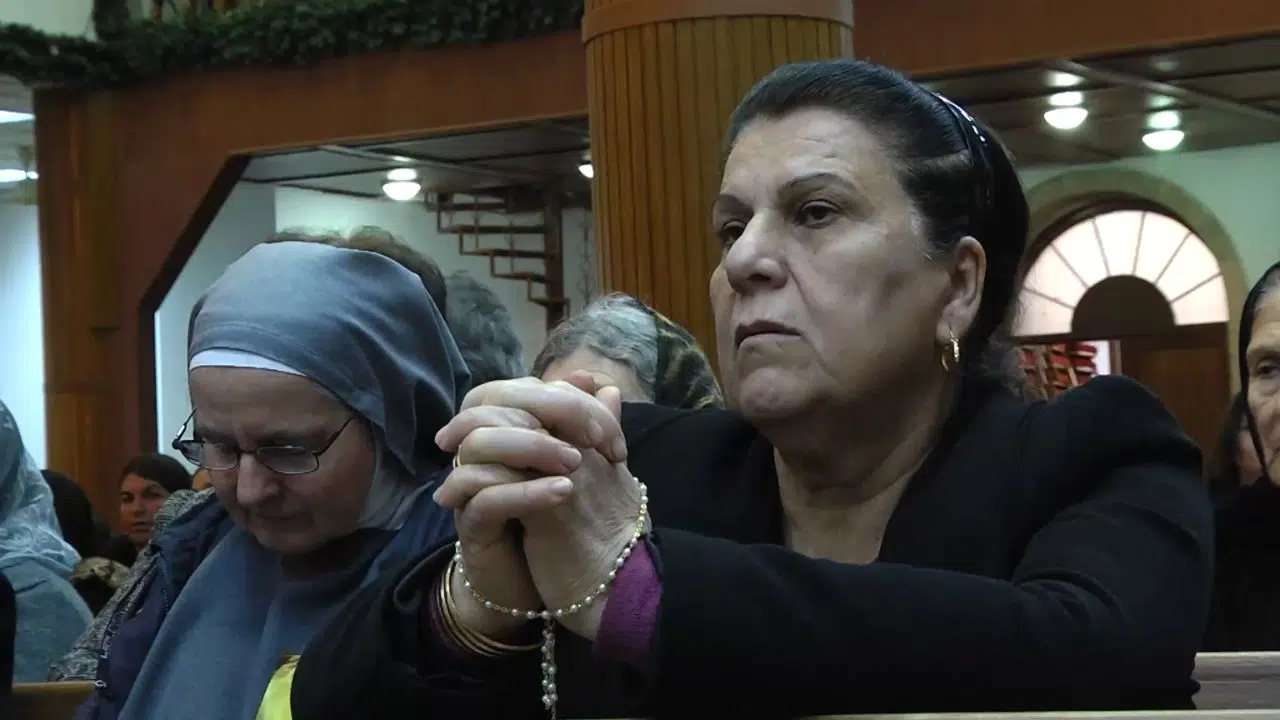
In Lebanon, 35% of the population is Christian, and this community is very diverse: the majority are Maronite Catholics, with the Greek Orthodox community representing about 20% of the population, and Melkite Catholics making up the remaining 10%.
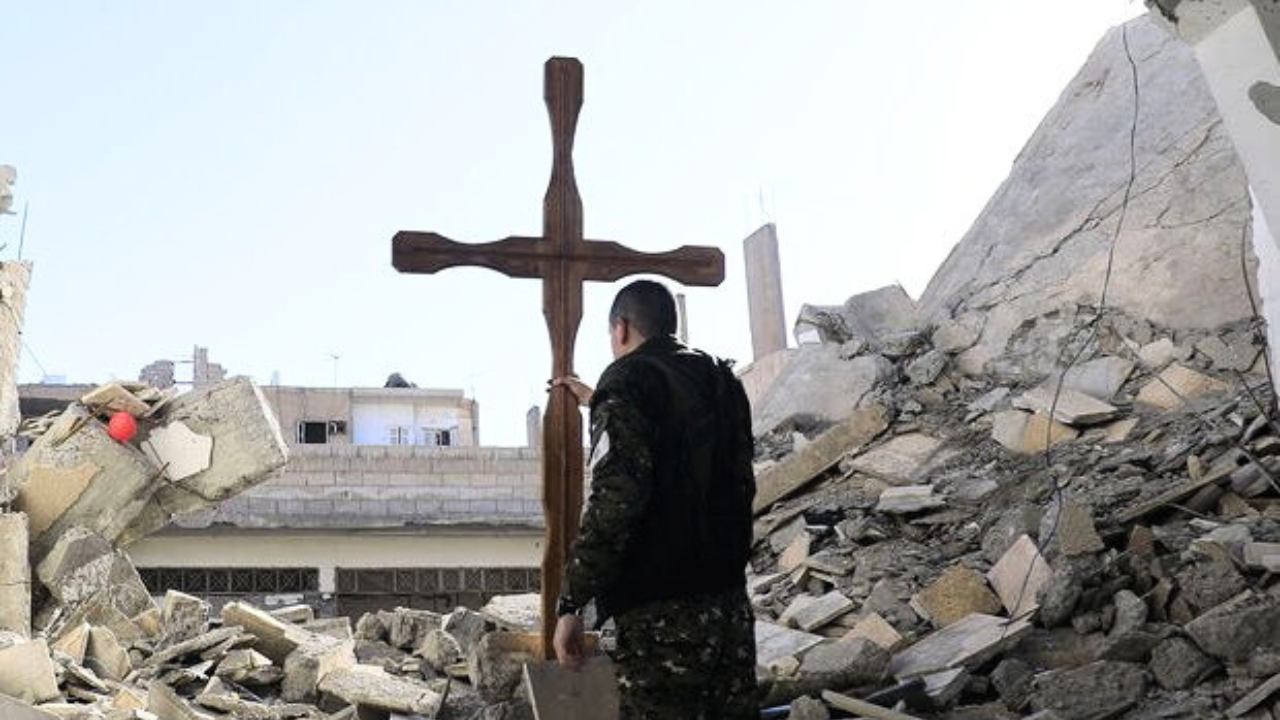
However, in recent years the Christian community has been forced into exile by persecution and the ongoing conflicts with Hezbollah. This is not something that only happens in Lebanon.
MSGR. JACQUES MOURAD
Archbishop of Homs (Syria)
If one day there are no Christians in Syria or anywhere else, it will be hell. Because Islam, Muslims, are not one single group. They are very divided. So immediately there would be a bloody battle that would not stop.
According to Marielle Boutros, project coordinator and representative for Lebanon, Syria, and Egypt for Aid to the Church in Need, the new bombings—which killed the parish priest of Qlayaa—have already left more than 400 dead and 1,200 wounded, figures that match reports by Lebanon's Ministry of Public Health.
This renewed crisis is worsening by the day with unprecedented effects and reach, especially when compared to the most recent conflicts in the country.
AT