Carmen Álvarez Cuadrado
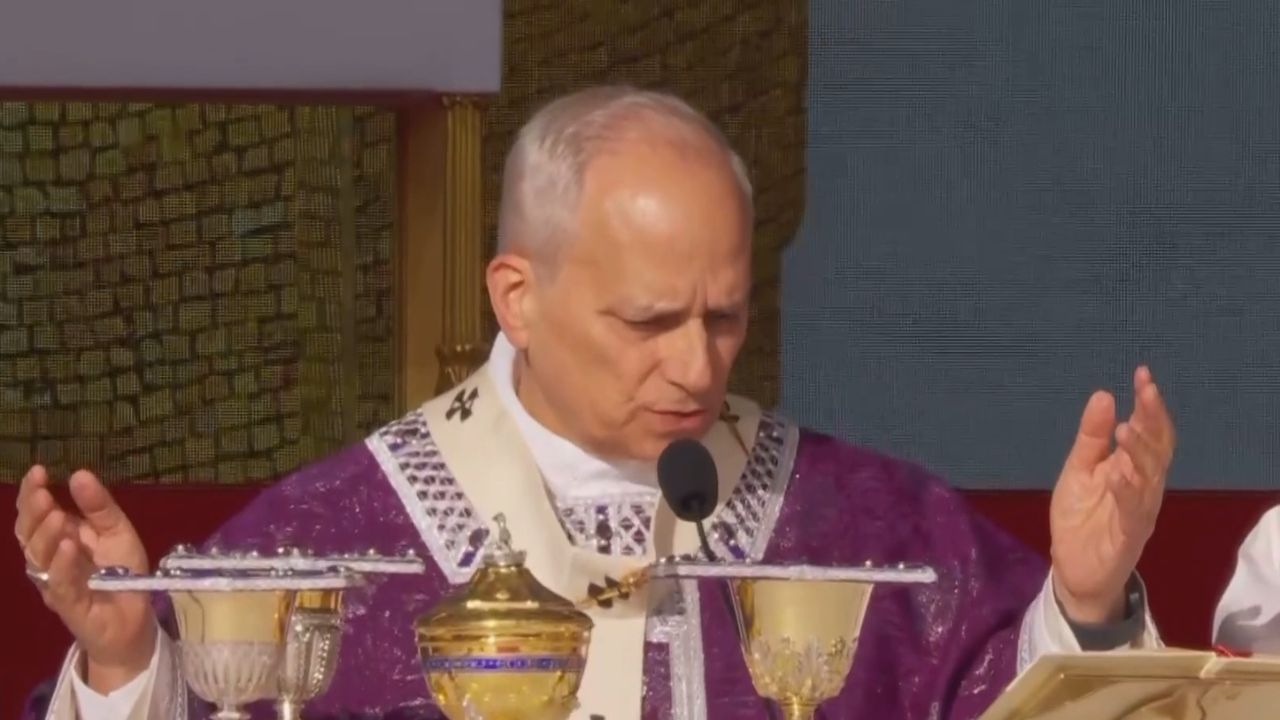
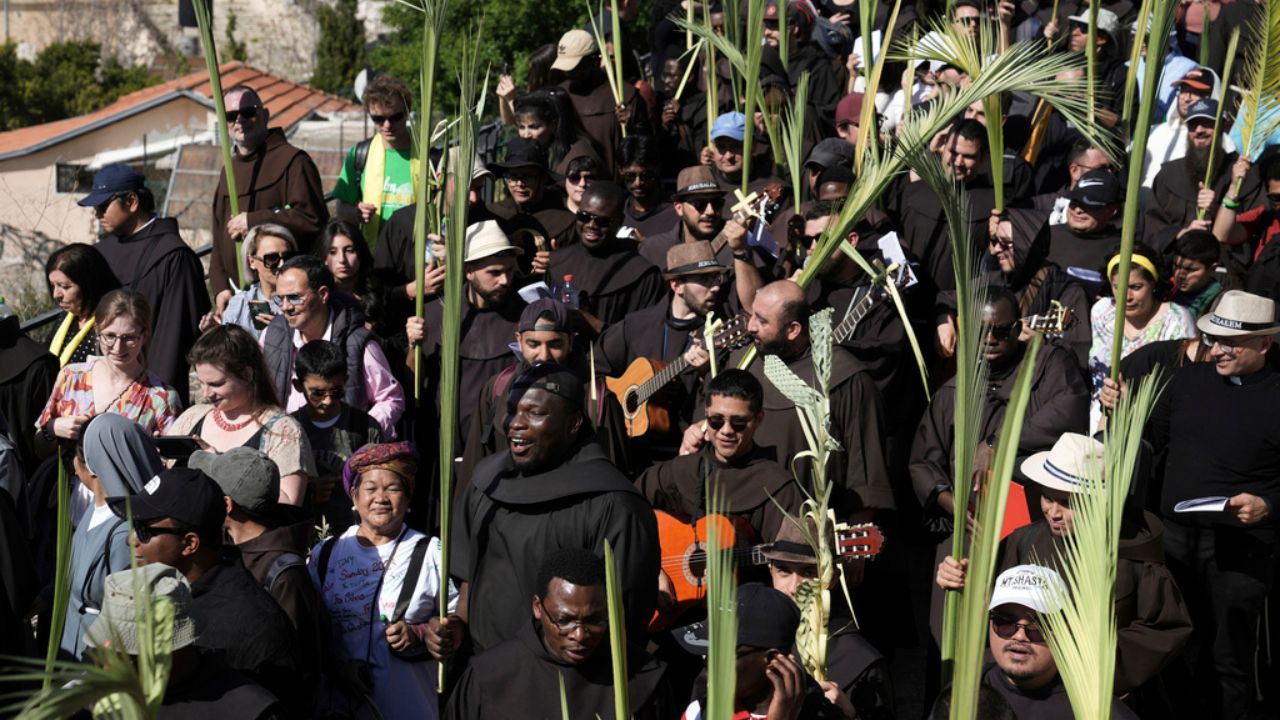
This is the high point of Holy Week...
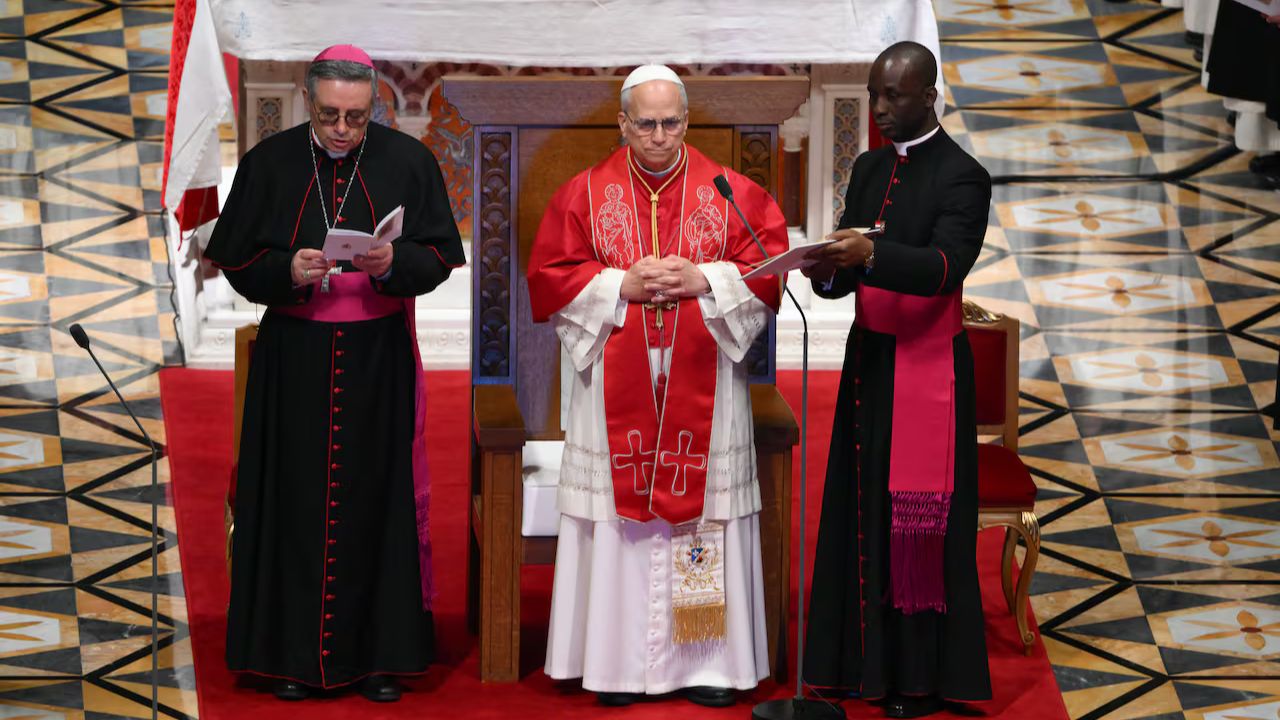
This is another one of the most prominent moments…
And this moment is of course one of the most striking…
But the way we celebrate Holy Week today is only 71 years old. Until 1955, all these liturgical acts were celebrated, but in a somewhat different way.
Fr. Juan Manuel Estrada
Liturgy Expert
It’s not necessarily that they are changed and improved, but rather that they undergo an evolution.
In order to understand it, we must first go back to its origin, and it is quite far back to go. It is after the year 1563, when the Council of Trent, which laid the foundations of the Tridentine liturgy, came to an end.
Fr. Juan Manuel Estrada
Liturgy Expert
Especially after Trent, the rites, so to speak, became distorted. They became more closed, increasingly so… The liturgy moved further and further away from the people, from the faithful, from the community.
Before that, in the medieval period, there was some level of participation by the faithful—for example, in the chanting of psalms.
After the Council of Trent, the Tridentine Mass was established in response to Martin Luther, who criticized the fact that the people did not understand the theology of the Mass. But through the Counter-Reformation, the Church reaffirmed the central importance of the Eucharist, that the Eucharist was indeed Christ's body and blood, and that active participation by the community was not necessary.
Fr. Juan Manuel Estrada
Liturgy Expert
Masses, as you may recall, were celebrated with the priest facing away from the people—we call it ad orientem. And this caused the people not to feel part of it.
But over time a certain unease arose which would lead to a key element of this part of ecclesial history—the liturgical movement.
It was a movement shaped by both social and political factors: the explosion of religious conflicts in Europe between Catholics and Protestants followed by the arrival of the 20th Century, the two World Wars, and the death and destruction that came from these.
Fr. Juan Manuel Estrada
Liturgy Expert
The dehumanizing experience of the wars led the liturgical movement to push forward—or rather anticipate—the search for a renewed encounter between God and humanity, so that man could reconnect with God.
This social feeling and desire was strong, but the movement needed pioneers to lead the reform.
Fr. Juan Manuel Estrada
Liturgy Expert
It arose above all among Benedictine monks, in Benedictine monasteries.
One source of their reform—the center of monastic life under Saint Benedict: ora et labora, with the liturgy and the chanting of the Divine Office.
By the end of the 19th century, the seed was planted in several European abbeys. Monks studied, restored, and tried to ensure that prayer was not just a habit or something mechanical, but something that was understood and lived from within.
These ideas began to spread throughout Europe. In the 20th century, the figure of Romano Guardini came to the foreground, who taught people to see the liturgy as something communal and not just a ceremonial rite by the priest.
Little by little, the movement reached Rome. First with Pope Pius X, who encouraged reforms. In 1903, with this document, he promoted sacred music to foster the participation of the faithful.
But it would take almost half a century for these small changes to become official—specifically, in 1947, with Pope Pius XII. It was the first time a pope dedicated an encyclical exclusively to the liturgy.
Fr. Juan Manuel Estrada
Liturgy Expert
Pope Pius XII is the pioneer in all this, because he is the one who takes on the fundamental ideas of the liturgical movement and its promoters. Then, from 1951 to 1956, he promoted liturgical reforms. And the main reform of the liturgy is that of the Paschal Triduum.
The aim of these changes was to preserve or modify certain traditions with the intention of helping the faithful to better understand what was being celebrated.
This was the starting point of new Holy Week: from the washing of the feet to the adoration of the cross and the Easter Vigil. Powerful moments that relive the Paschal mysteries of Christ, marking the transformation that shaped the celebration of the Easter Season as we know it today.