Carmen Álvarez Cuadrado
This was Jesus’ gesture toward his disciples. It took place the night before he died, during the Last Supper, just hours before his crucifixion.
Fr. Jorge Enrique Mújica
Editorial Director, ZENIT Agency
It is nothing more and nothing less than God washing the feet of men. That is, the one who should be served placing himself at the service of others.
A practice that, interpreting references from the Bible, continued in the early Church with the local community taking part. Originally, it was not as a rite, but an act of service.
In the Middle Ages, the washing of feet was flexible. It could be done outside of Mass and often included the poor, with limited participation from the people.
Then, after the Council of Trent, the tradition officially became a rite, but within a clerical setting and separate from Mass.
Fr. Juan Manuel Estrada
Liturgy Expert
Yes, the Mass of Holy Thursday was celebrated in the morning. Then, at some point during the day, the bishop and some priests—twelve, to be exact—would gather in a private place, and the bishop would wash the feet of the priests.
What Pope Pius XII did with the liturgical reform was to introduce the washing of the feet into the Mass, right after the homily. Thus, changing it from a private ceremony to a public one, and then he added one more change on top of that.
Fr. Juan Manuel Estrada
Liturgy Expert
Pius moved it to the afternoon and left the Chrism Mass in the morning, which closes Lent—the Lenten season ends. In the morning, the Chrism Mass is celebrated, and the Mass of the Lord’s Supper is moved to the afternoon.
What remained was the tradition and requirement that the ceremony be completed with twelve men, although some exceptions were granted given special permissions. This continued until 2016, when Pope Francis changed the rules and expanded it to the People of God.
Fr. Juan Manuel Estrada
Liturgy Expert
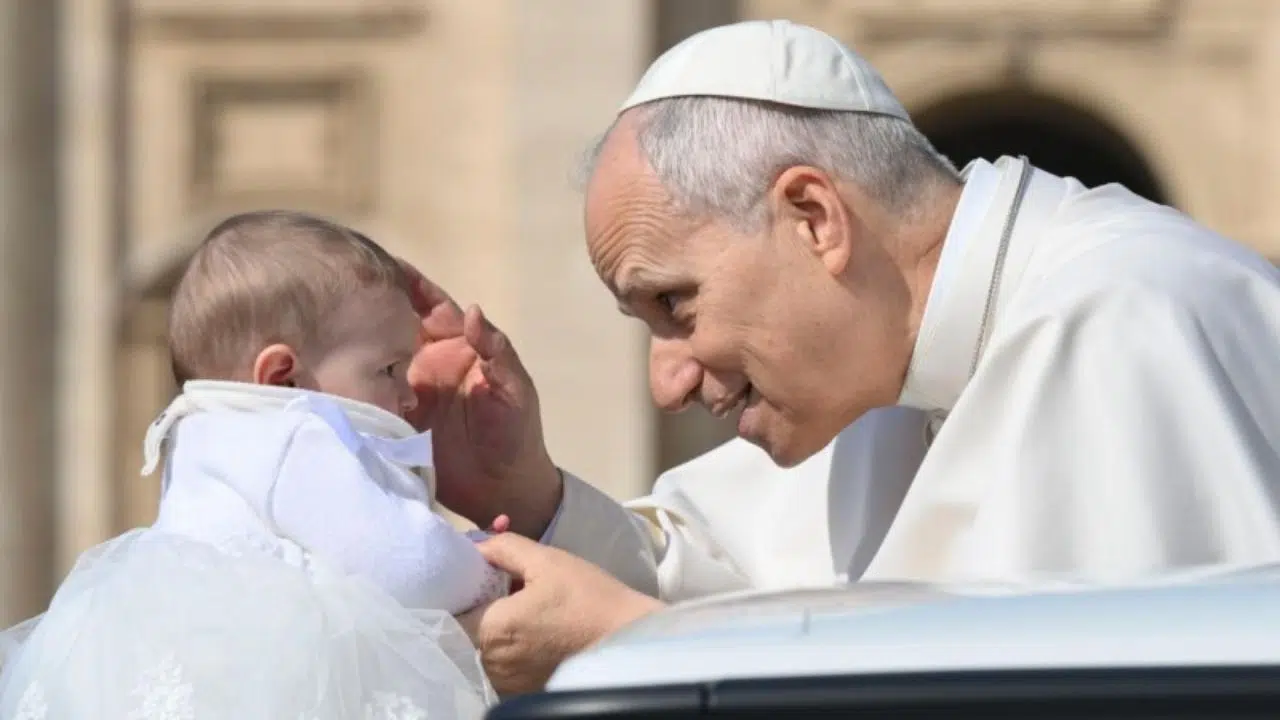
In 2016, he decreed that the term “men” be removed and that it simply refer to “some people”—no longer exclusively men. Now we see that the Pope opened this sign to women, children, the elderly, young people, the sick, and prisoners.
To this, another preference of Pope Francis was added: to visit the existential peripheries to carry out the washing, including the sick, prisoners, women, or Muslims.
Fr. Juan Manuel Estrada
Liturgy Expert
He takes it to those places where the Church needs to serve the community: prisons, hospitals… with a diversity of people whom Pope Francis always wanted to include, to show that the Church is a servant.
Fr. Jorge Enrique Mújica
Editorial Director, ZENIT Agency
What the Church places at the center is precisely this: that what was once done by slaves—what was reserved for slaves—is done by Jesus, who is God, and who shows it not only with his words but with his actions.
And now this tradition takes on Pope Leo’s preferences. The Pope wanted that, at least for his first Holy Week, the Mass of the Lord’s Supper and the washing of the feet take place at St. John Lateran, the cathedral of Rome. But why this basilica and not, for example, St. Peter’s?
Fr. Juan Manuel Estrada
Liturgy Expert
Bishops are always called to celebrate the liturgy in their cathedrals. The Pope is the Bishop of Rome, and the Pope’s cathedral is St. John Lateran.
That’s what he does—he returns to this to say: well, I too, as Bishop of Rome, celebrate this with the ecclesial community in my church, which is the Church of Rome, the community of Rome.
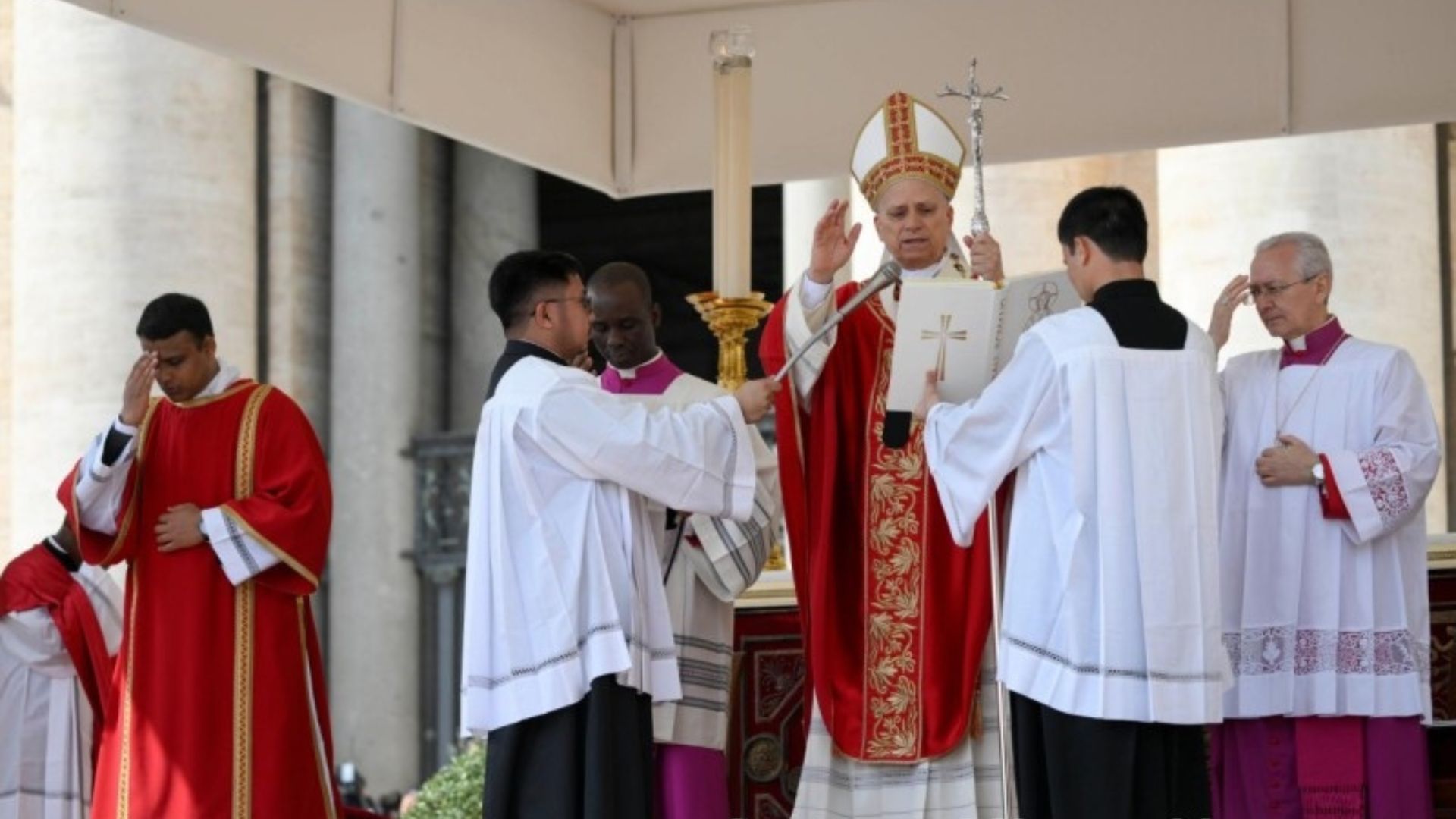
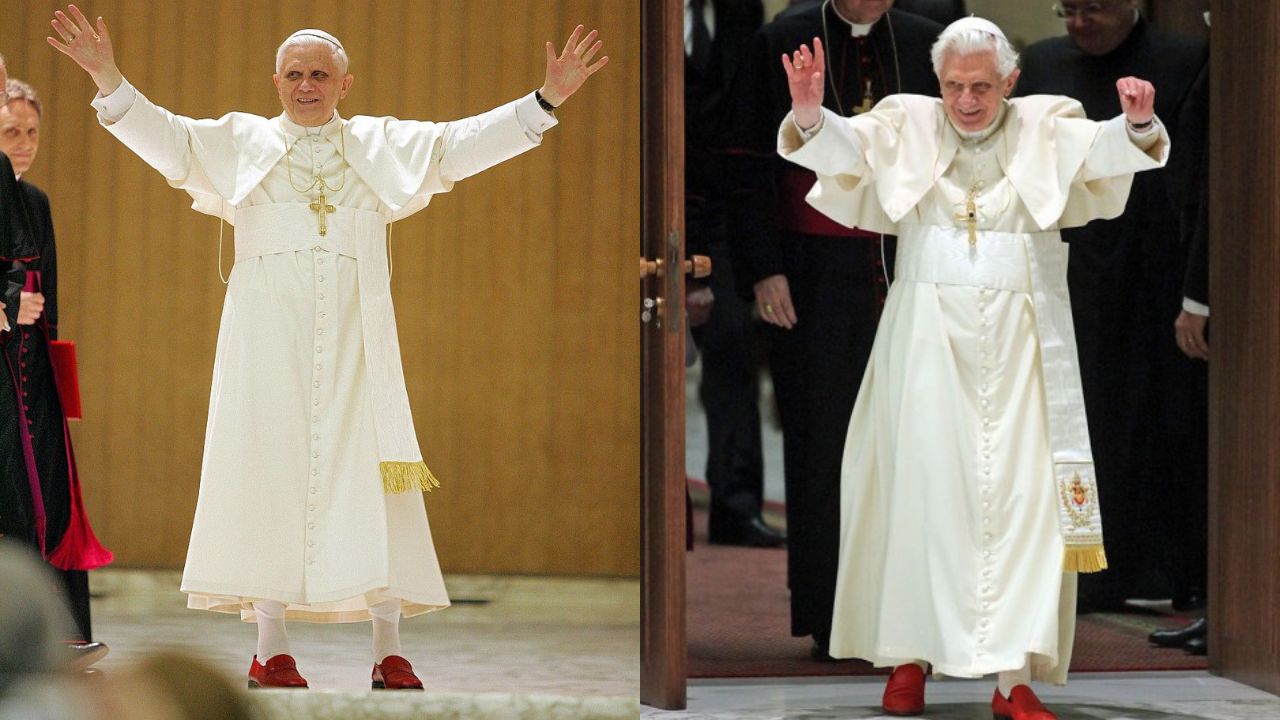
Although this may seem like something new, it really isn’t. Aside from Pope Francis, all papal rulers celebrated this mass at St. John Lateran. Here you see Pope Benedict XVI, but he is not the only one. Popes such as John XXIII, Paul VI, and John Paul II also did it… and now, it is Pope Leo XIV’s turn.