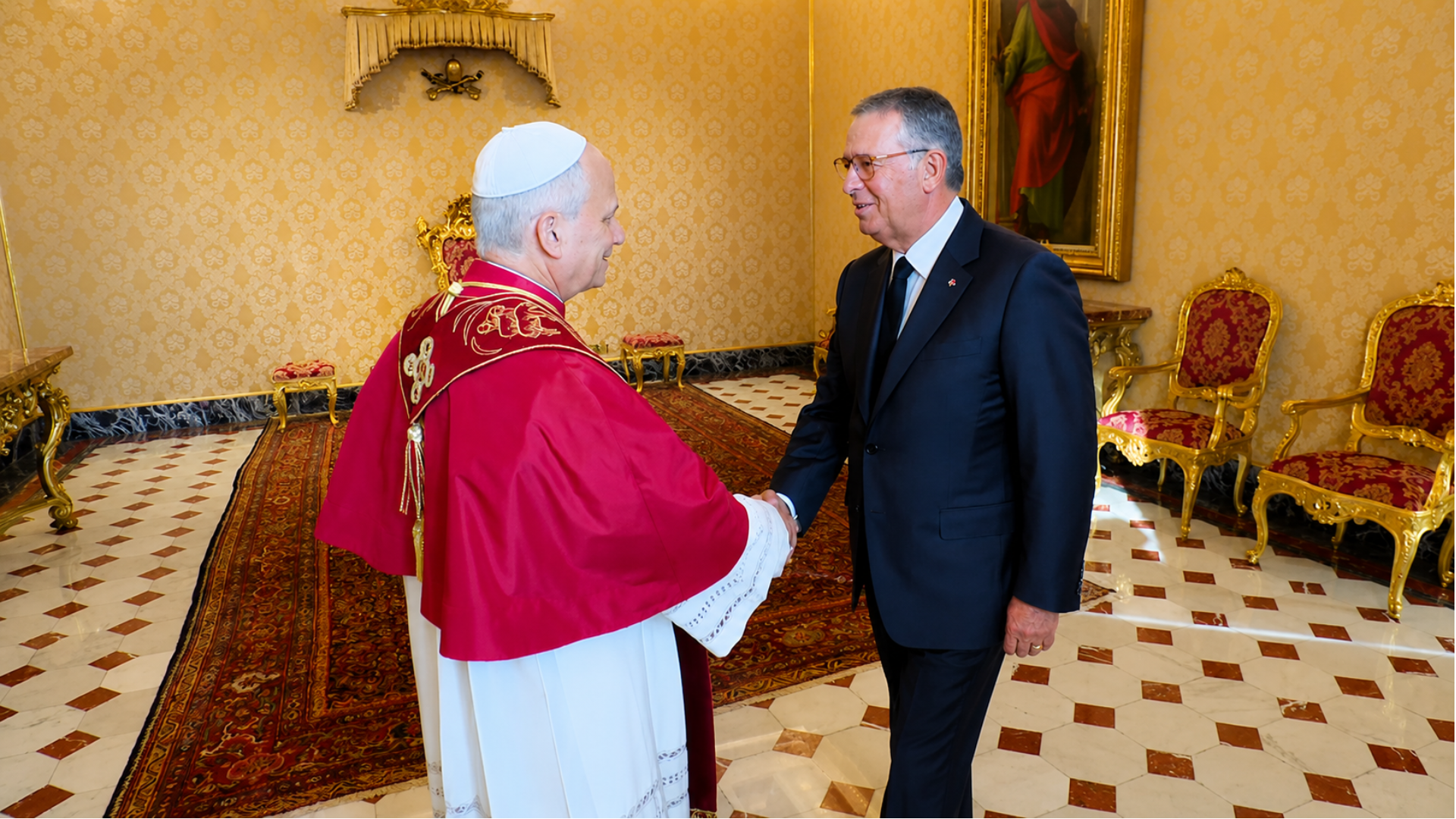
Guzmán Carriquiry was the first layman to step into a position of relevance in the Vatican more than 50 years ago. In his memoirs, he recounts how some canon lawyers objected to his appointment to the position, a position which they believed belonged to clergy.
He worked alongside five popes. And the one with whom he had the most intense relationship was Pope Francis, whose trust allowed him to speak frankly to him—but with respect and clarity. For example, Carriquiry was wary of the new synod approach promoted by the Argentinian pope.
GUZMÁN CARRIQUIRY
Author, “The Witness”
“I used to tell him: it’s not clear whether this is a worldwide synod of bishops or an assembly of the People of God without clearly defined canonical or theological profiles.”
This same trust also allowed him to make proposals to Pope Francis, such as suggesting a trip to Paris after the burning of Notre Dame Cathedral.
GUZMÁN CARRIQUIRY
Author, “The Witness”
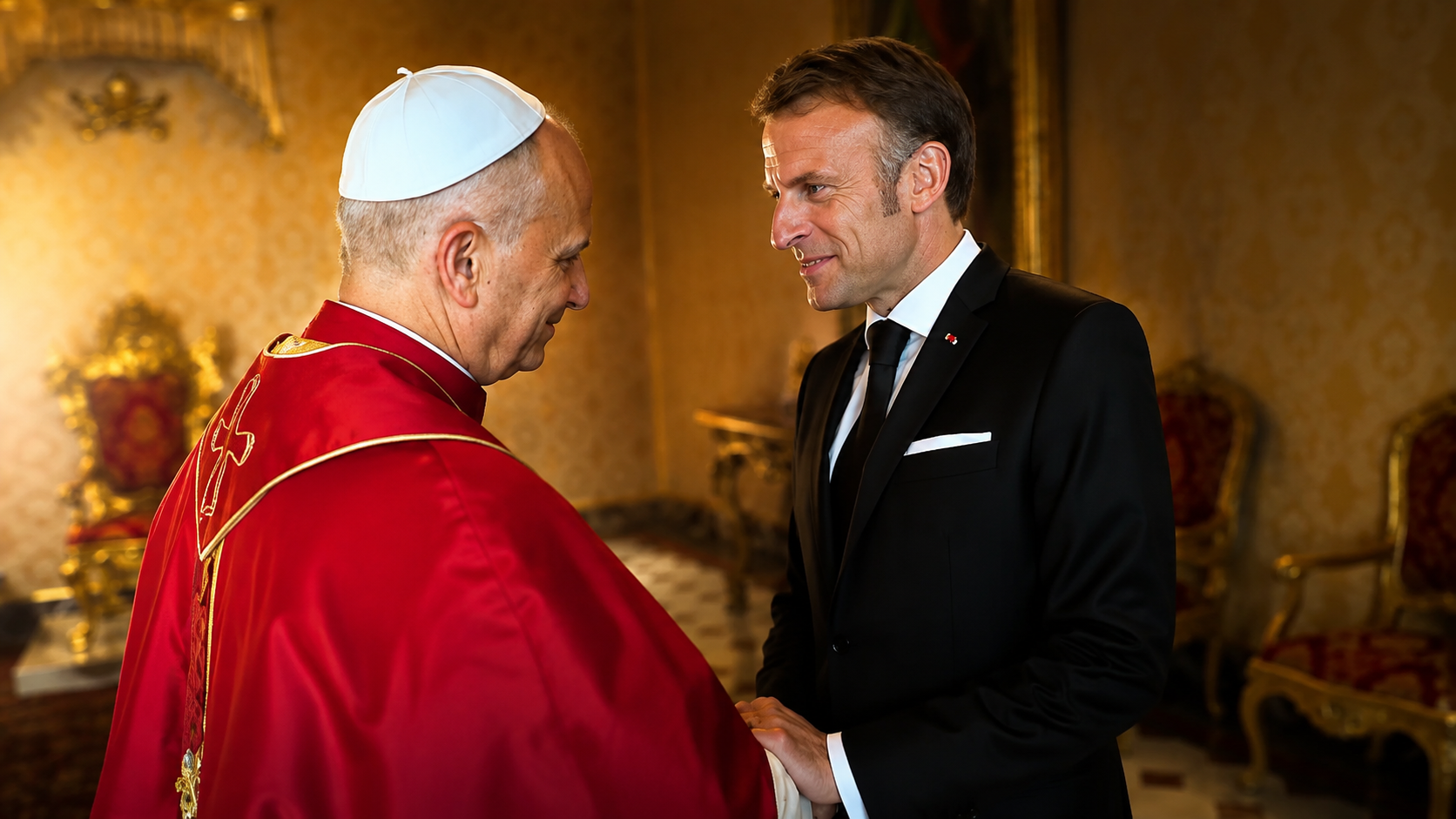
I called Pope Francis on the phone, for example, when the Notre Dame fire happened, and I said to him: ‘Get on a plane. Go from the airport to the square, pray the rosary—this is a moment of upheaval for all of France—and come back the same night.’ And he said to me: ‘But you know, Doctor, that half an hour ago the French president, Macron, called me offering me the very same thing.’
Guzmán Carriquiry recounts episodes like this in his book The Witness, where he also addresses other issues—for example, how the Vatican dealt with post-conciliar crises and the response to the “boom” of new, more lay-oriented realities in the Church, from the Neocatechumenal Way to the Charismatic Renewal to Communion and Liberation, among many others. Carriquiry knew some of their founders personally, such as Luigi Giussani.
Another anecdote from the book includes Yuri Andropov, General Secretary of the Soviet Union. When he died in 1984, the Vatican sent two laymen instead of clergy to avoid possible conflicts. The two men were Carriquiry and the renowned physician Jérôme Lejeune, who first discovered the causes of Down syndrome.
Because of Carriquiry, the necktie was introduced into halls where the clerical collar dominated. He had strong character and worked hard. As a layman in the Vatican, he won the trust of the Popes for his ability to speak directly and honestly.
JRB