Lent in Rome begins with a special Ash Wednesday procession to mark the penitential season. Starting at the church of St. Anselm, the pope and members of the Curia, carrying ashes, process together to the neighboring church of Santa Sabina for Mass.
The route is barely 200 meters and lasts no more than five minutes, but it liturgically marks the beginning of Lent in Rome. This gesture, known as the “Statio,” has its roots in the early centuries of Christianity in the city. Gathered around the Bishop of Rome, it symbolizes the unity of the Church moving through history.
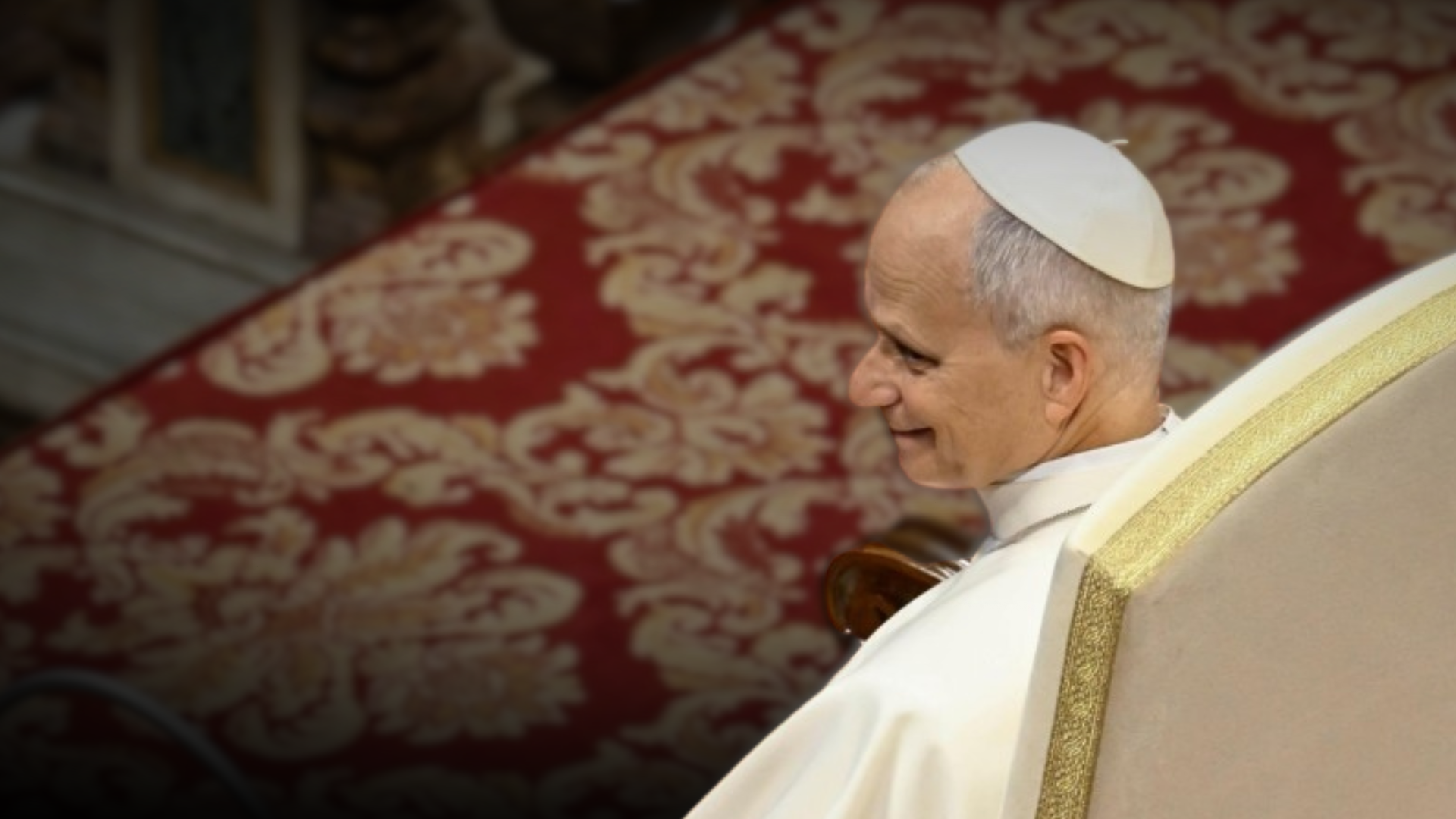
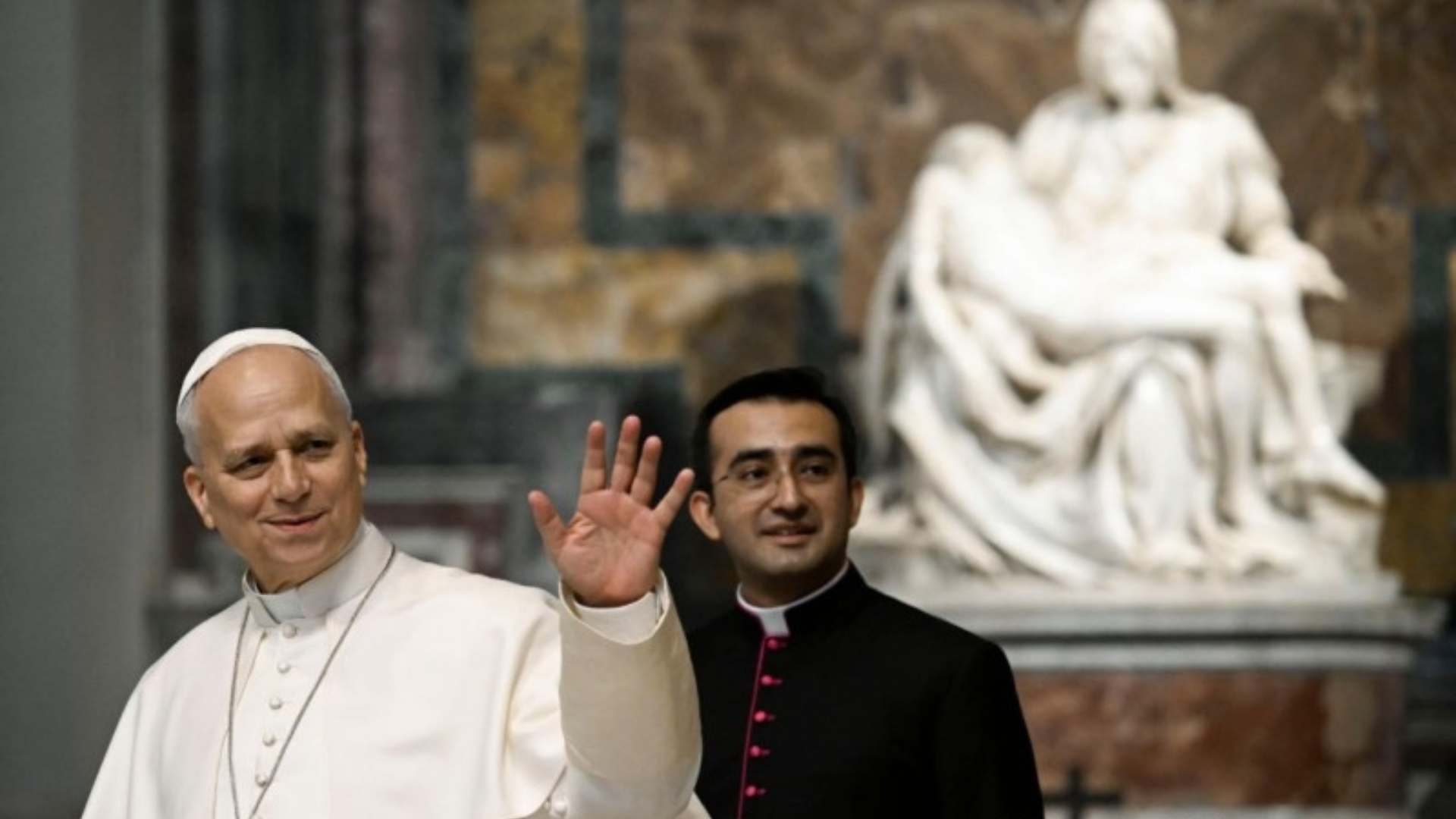
It is a tradition that has been maintained for many years, but Pope Francis was unable to attend later in his papacy due to his increasing health issues. Thanks to his relatively young age, it is unsurprising then to see that Pope Leo will pick up on this special Roman tradition.
P. JOSÉ MARÍA
Benedictine monk and professor at St. Anselm
The community is very excited because for two years the pope could not come. We held it anyway, but it’s different, isn’t it? So we are very happy that he can be with us.
Built in the 5th Century on the Aventine Hill, the Basilica of Santa Sabina has been the location chosen by the popes for the celebration of Ash Wednesday for centuries now.
It is here that the Ash Wednesday Mass and the rite of the imposition of ashes take place, a gesture that reminds the faithful of the call to conversion. The choice of this basilica is no coincidence—it is part of an ancient tradition in which the pope “stopped” at different churches in the city to visibly manifest Christian unity.
While brief, the Ash Wednesday procession is packed with history, honoring a practice that dates all the way back to the earliest centuries of the Church.