Santi Taboada
The region of Metz, Lorraine, has been the subject of bloody disputes between France and Germany through history. The fight over its sovereignty was even one of the causes of the world wars. Today, it is a symbol of reconciliation and European identity.
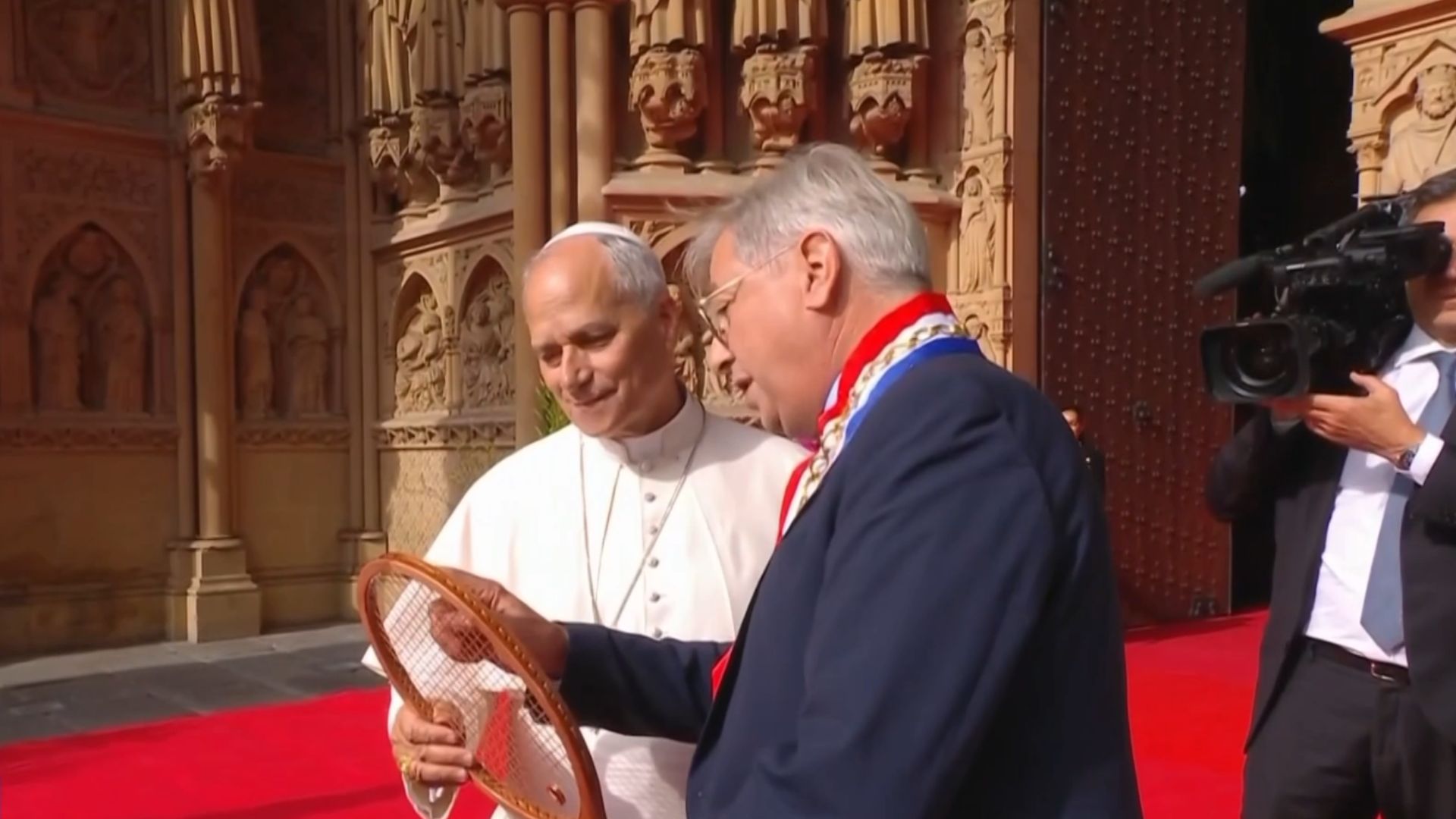
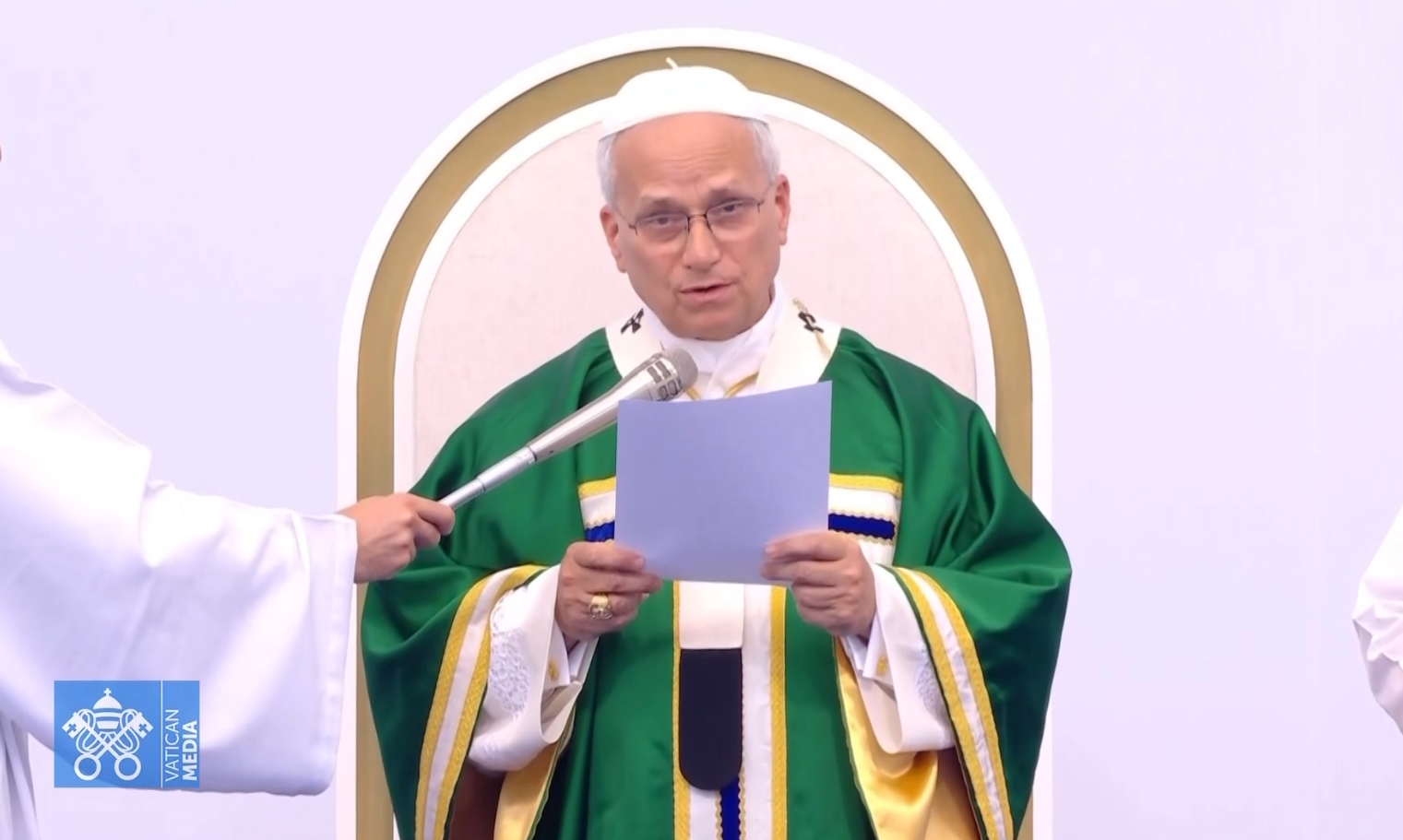
In his homily at St Stephen's Cathedral, Leo XIV recalled the region’s example of forgiveness. For the occasion, he chose a Gospel passage that encourages Christians to turn the other cheek in the face of humiliation and insults.
LEO XIV
Those of you, who are the children of this land torn apart in the past by fratricidal conflicts, know full well that it is not true that those who seek revenge are stronger than those who forgive. It is not true that those who refuse to yield are stronger than those who seek reconciliation. It is not true that those who walk away are stronger than those who face the challenge of walking together.
He explained that reconciliation is only possible when we have the courage to break the chains of resentment.
LEO XIV
It takes strength and great integrity not to be overwhelmed by evil, especially when the wounds inflicted are deep.
In Metz, Leo highlighted the Christian roots of Europe, which he described as fundamental for passing on principles such as human dignity, freedom, the family, and care for the weakest.
He also pointed out that the cathedral’s stained-glass windows were created by a Jewish artist, presenting the church as a symbol of interreligious dialogue.
LEO XIV
As we contemplate these stained-glass windows, we learn that Europe’s future does not lie in uniformity, but in the harmony of differences, where the wounds of the past become openings through which light shines.
With this message, the Pope concluded his speeches in France, encouraging the Christians of Metz to be a beacon of hope for the Old Continent.