Daniel del Castillo González
Two non-catholic funerals in Italy have once again put the case of the Church and Freemasonry back on the table.
In Rome, the founder of a lodge of the Grand Orient of Italy was denied a funeral service.
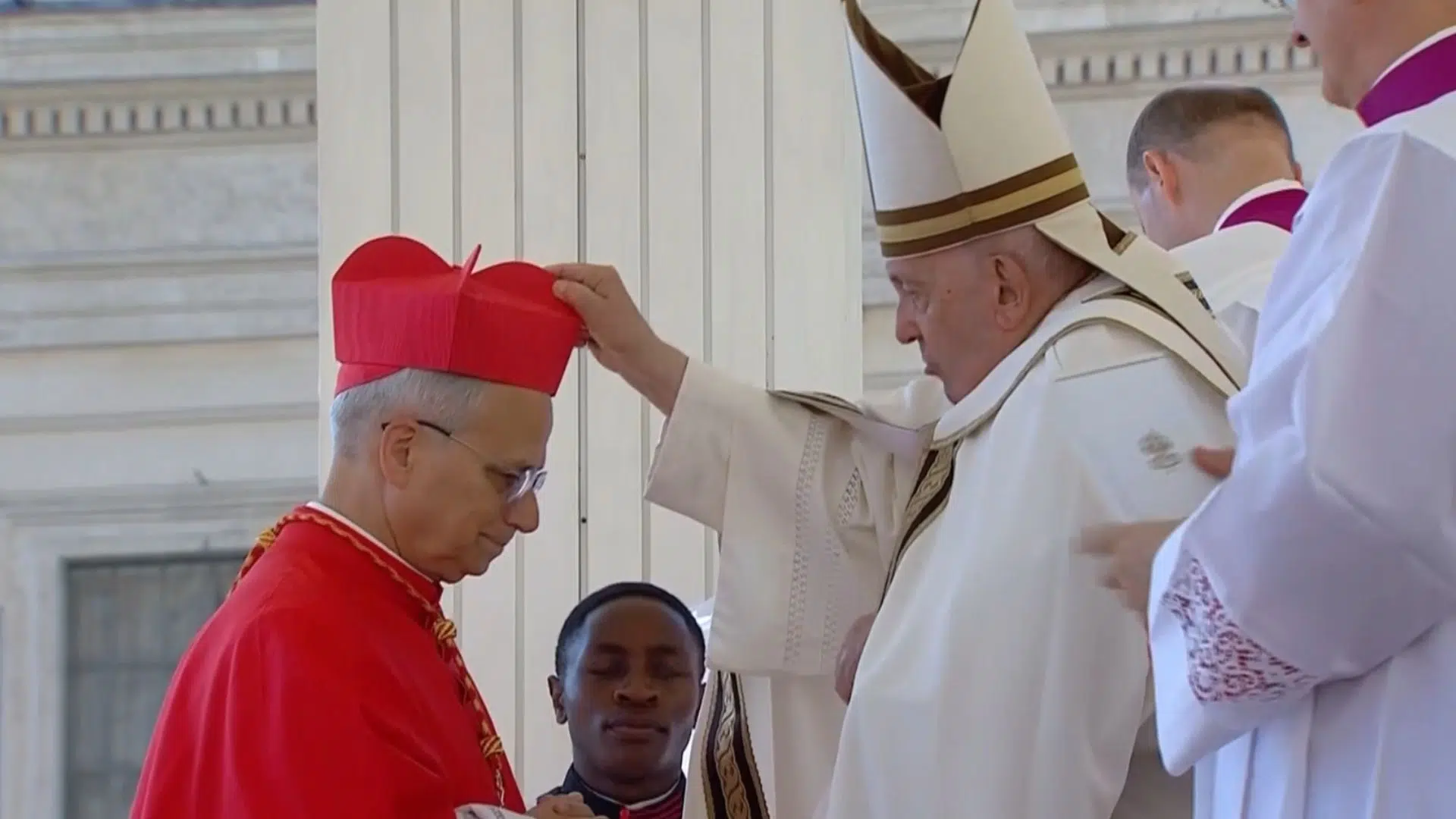
The vicar of Rome, the cardinal Baldo Reina, instructed that only a brief prayer be said, since the man was a Freemason.
Days later, the bishop of Sanremo took the appropriate action regarding the master of an Italian lodge.
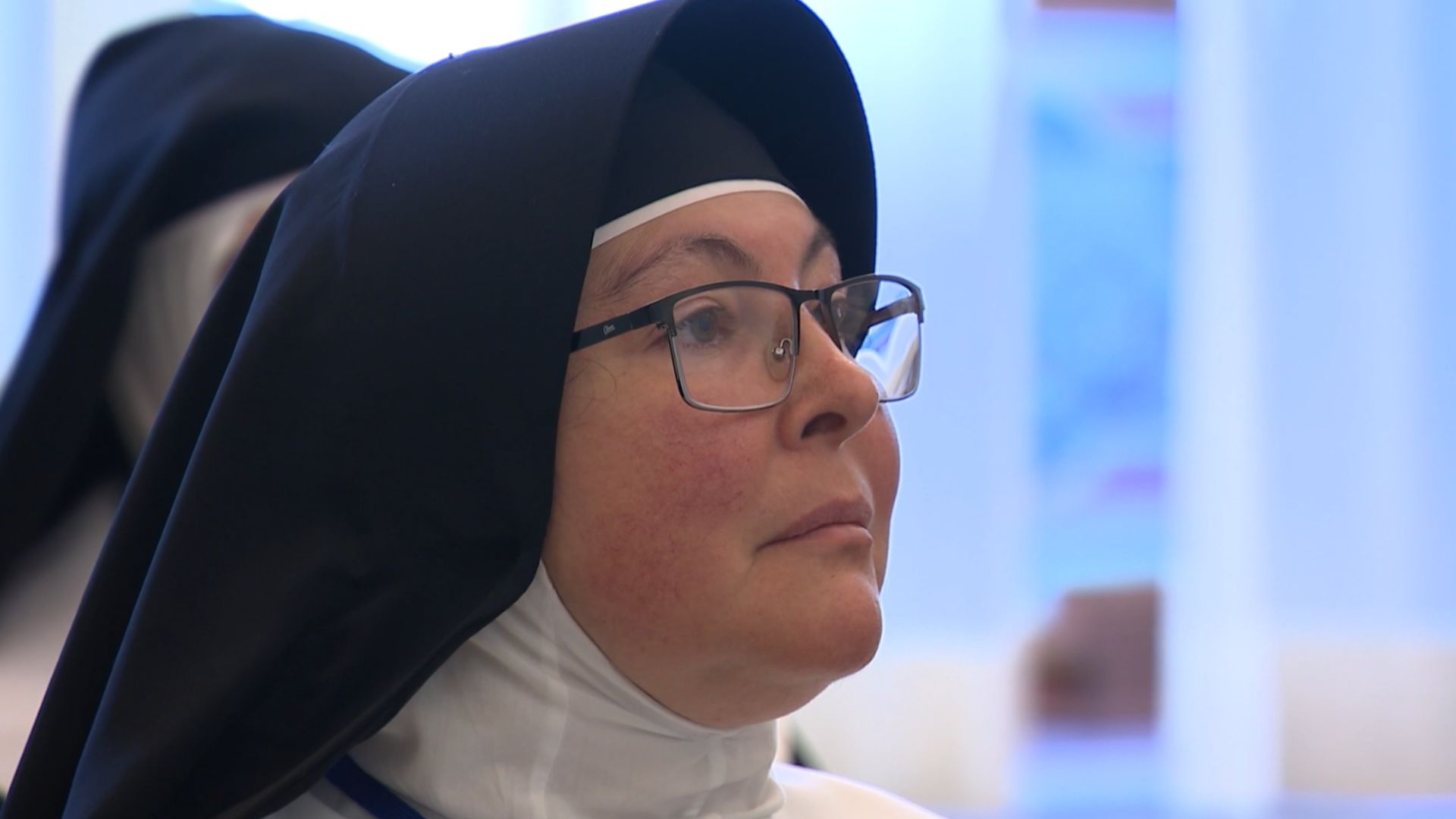
F. ROCCO D’AMBROSIO
Pontifical Gregorian University
From the creation in the year XVIII, the church has recognized, or rather always affirmed that The Masonic Creed is not able to be compatible with the Christian Creed, because The Masonry has elements Gnostics and Tericians who are far removed from what The Catholic Church believes, because we believe in Jesus Christ, that he is the Son of God, and that He has given us the Spirit. The Masonry belives something else.
In 2023, the bishop of Dumaguete, in the Philippines, wrote to Rome because the number of faithful in his diocese linked to the Freemasonry was increasing.
The response from the Dicastery for the Doctrine of the Faith, approved by Pope Francis, once again made it clear that active membership remained prohibited.
F. ROCCO D’AMBROSIO
Pontifical Gregorian University
When that position was made public, it said that that when a person said openly that they have a Masonic logic, it could affect the ability to participate in the sacraments, and therefore, could not receive communion, and if they were to engage in confession they had to admit to this but they would have to confess also that they wanted to return into the Catholic Church.
The Church’s teaching on membership in Freemasonry is clear. The Code of Canon Law reaffirmed that the Church’s judgment on Freemasonry had not changed and that membership remained prohibited.
Two years later, then-Prefect of the Congregation for the Doctrine of the Faith Joseph Ratzinger explained why.
Freemasonry upholds a view of creation that differs from the Church’s. That understanding conflicts with the reality of the Gospel.
F. ROCCO D’AMBROSIO
Pontifical Gregorian University
We cannot deny that there have also been moments of great tension in between the Masonry and The Catholic Church, in which those formed of both clericalism developed and of closure as also anticlericalism.
And yet, here lies the paradox: a Church that considers a Catholic’s membership in a lodge to be incompatible does not consider it impossible to establish a dialogue with Freemasonry, even despite its secrecy.
F. ROCCO D’AMBROSIO
Pontifical Gregorian University
The secret is a question that, in fact, the Church in the beginning did not accept. All of which is told in secret, said Jesus, will be said on top the roofs. We are do not hide our faith; we also profess it publicly.
Following the two funerals in August, the Grand Master of the Grand Orient of Italy said that death will reveal the truth, making clear that they want to continue the discussion with the Church.