Daniel del Castillo González
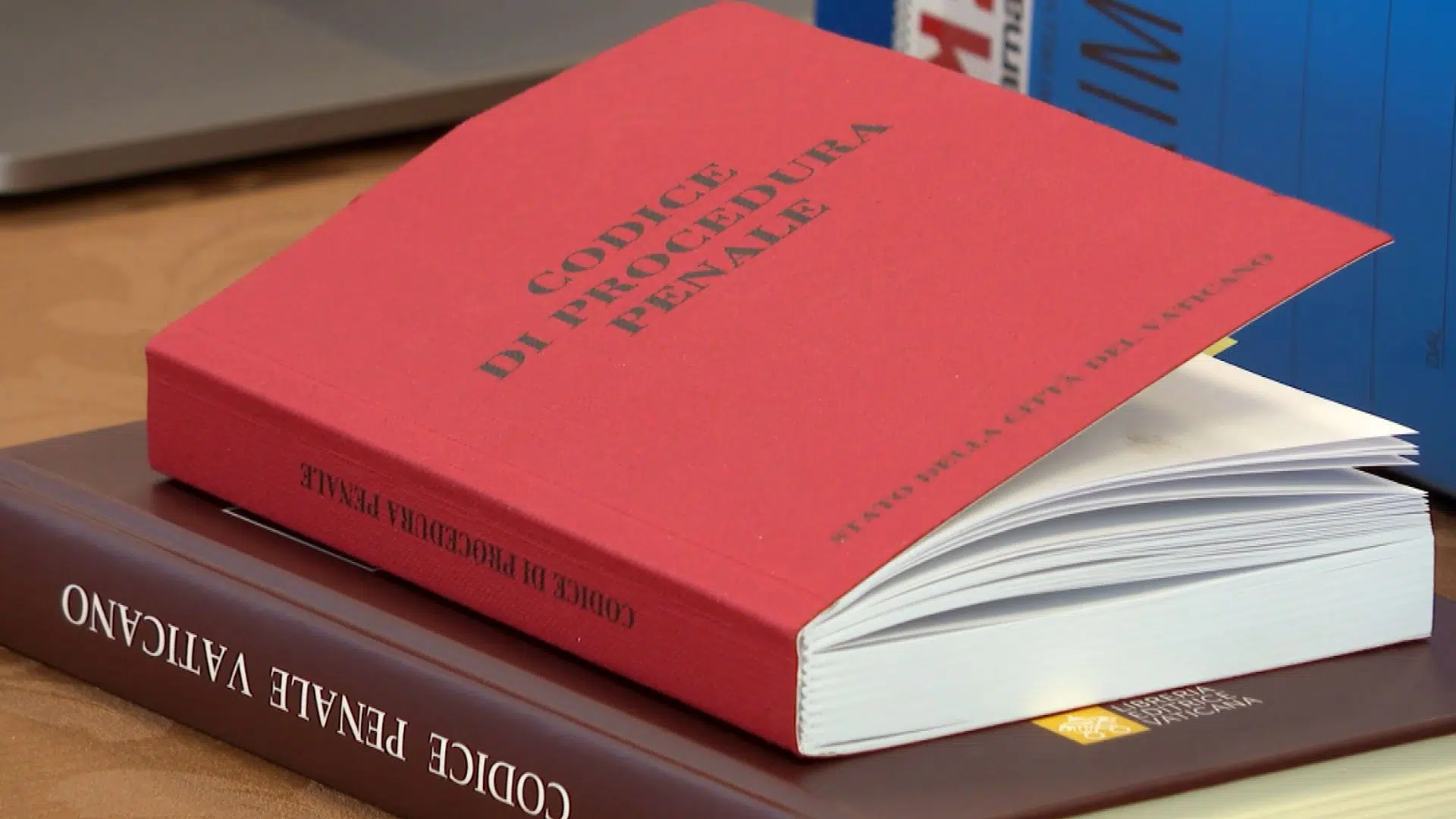
Can a layperson participate in the governance of a diocese? Serve as a judge in an ecclesiastical court? Or preside over certain marriages? The answers to these questions can be found in the Code of Canon Law.
The Synod has put forward a proposal to expand the participation of the faithful and make certain existing structures, which are not always utilized, more effective.
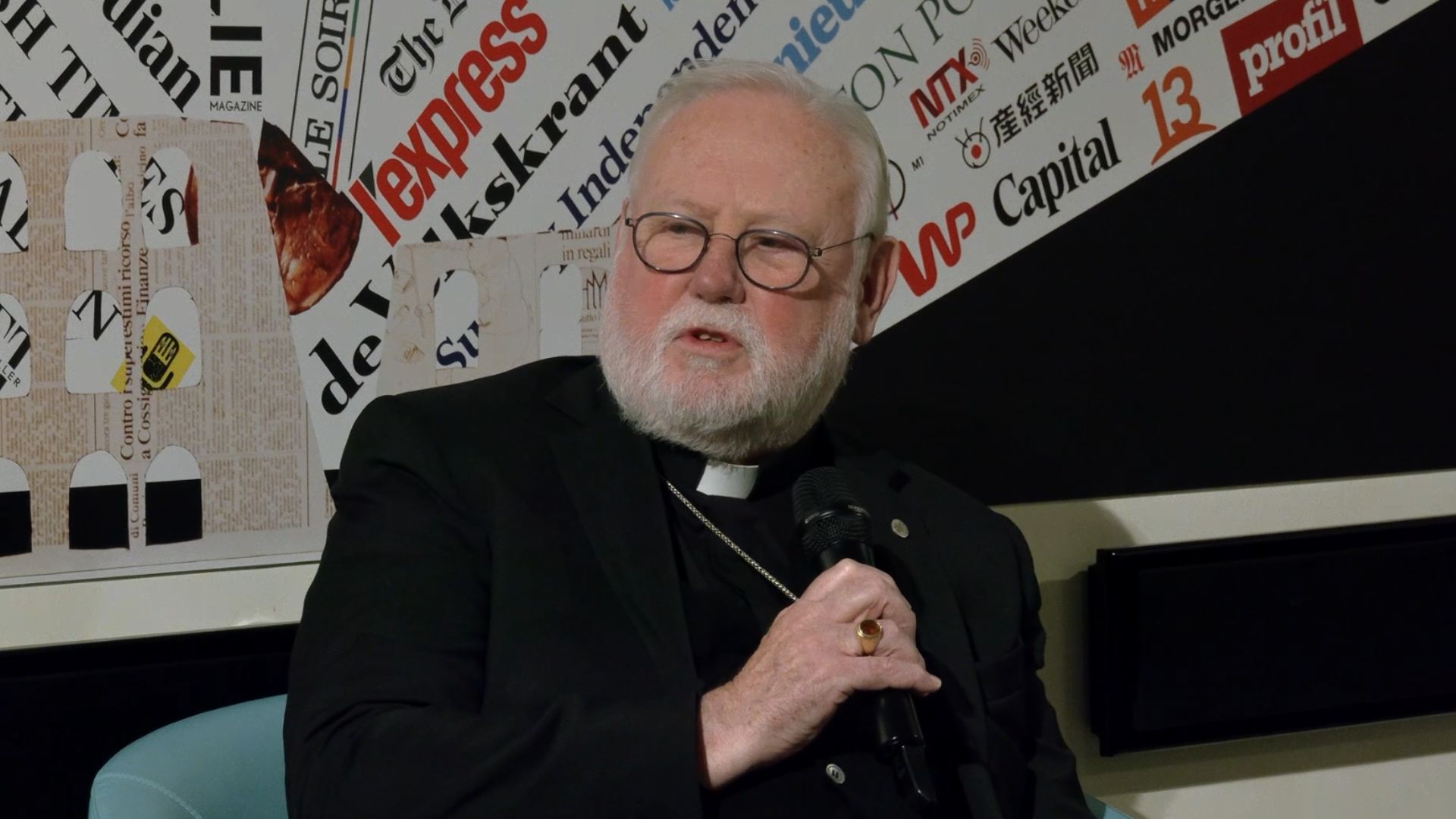
P. JOSÉ SAN JOSÉ PRISCO
Canonical Commission, Synod
There is a legal obligation to promote the participation of the laity because it is the only way for everyone’s shared mission to be realized, not just that of those of us who have been ordained.
One of the most innovative proposals is to create the position of lay episcopal delegate. This person could assume certain responsibilities as assigned by the bishop, in areas similar to those of some diocesan vicars.
P. JOSÉ SAN JOSÉ PRISCO
Canonical Commission, Synod
To appoint episcopal delegates who would have functions similar to or parallel to those of vicars in the dioceses, obviously without the status of vicars. There may be laypeople who assume roles parallel to those of vicars, but the title we ultimately agreed best fits this role was “episcopal delegates.”
They perform a function delegated by the bishop and are also accountable to him.
The reform would also affect ecclesiastical courts. This would include directly appointing laypeople as judges, even in certain proceedings involving clergy.
P. JOSÉ SAN JOSÉ PRISCO
Canonical Commission, Synod
Participation in cases involving clergy, in which a layperson was not permitted to serve as a judge, now appears not to be an impediment either. After all, a judge is a competent individual with the knowledge and sense of responsibility required to carry out his or her duties.
There is another change that affects marriages. In the tradition of the Latin Church, when there is a shortage of ordained ministers, a layperson could celebrate a marriage upon prior request from the Holy See, but now there are plans to eliminate this procedure.
P. JOSÉ SAN JOSÉ PRISCO
Canonical Commission, Synod
For the Latin Church, the tradition is that the ministers of marriage are the couple themselves, not the priest or deacon. And this rule, that a layman or laywoman may be authorized to assist at these marriages so as to fulfill the requirement of canonical form, is already in the Code.
The current Code was promulgated by Pope John Paul II in 1983. Now, the Synod has the proposal on the table, and a decision is pending.