Carolina Bellocq
In a predominantly Catholic continent, Uruguay is an exception. Although 70 percent of its population says it believes in God, only 9 percent are practicing Catholics. It is the first country Pope Leo XIV will visit on his trip to Latin America. A country shaped by secularism.
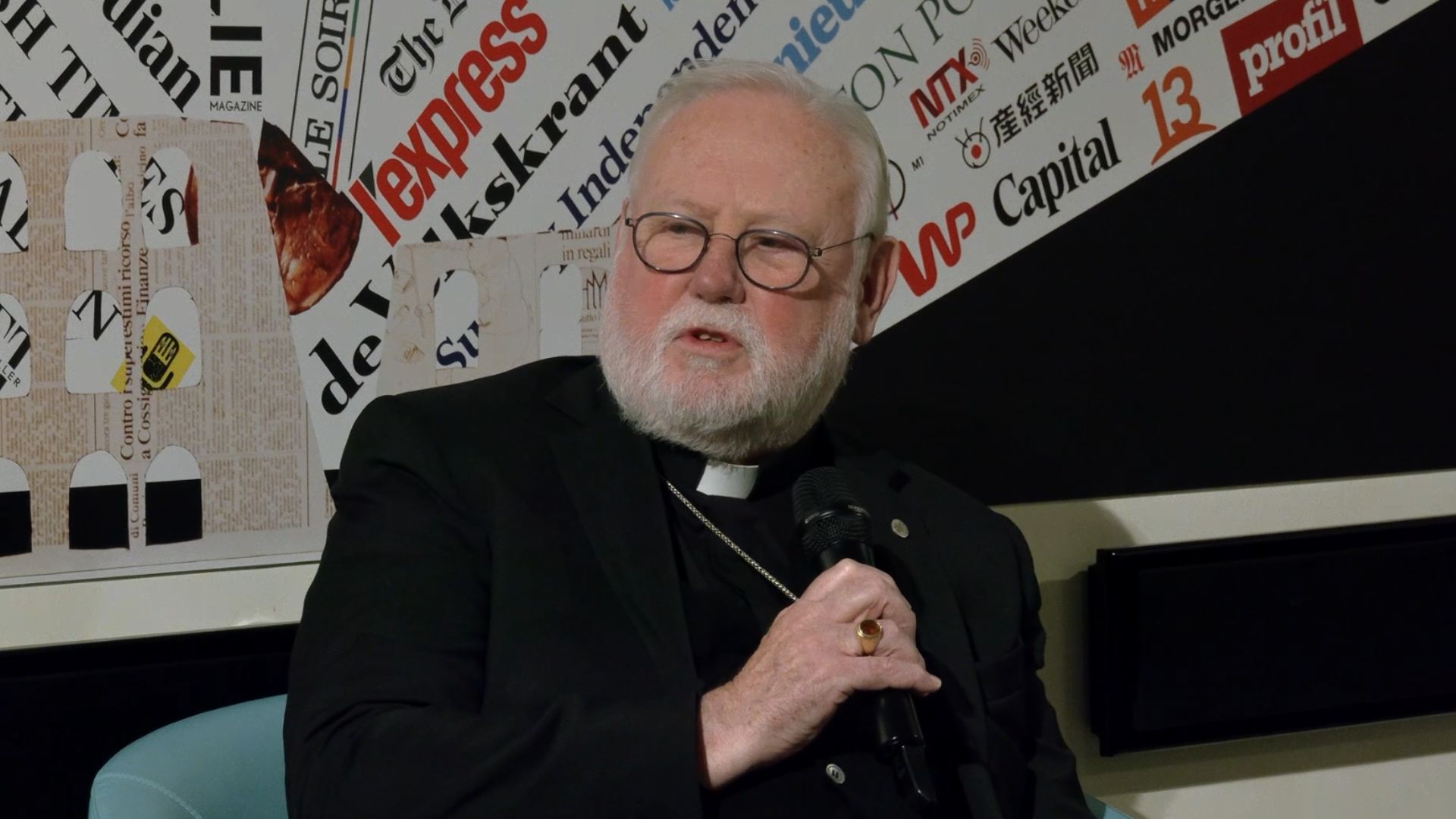
BISHOP MILTON TROCCOLI; President, Episcopal Conference of Uruguay
Evangelization came late, and secularization came early. Uruguay's first diocese was established in 1870. By then, a process of secularization had already begun, around 1860. Then, the separation of Church and state in 1917 accelerated that process. And above all, through education, religion came to be seen as something private.
Even before 1917, cemeteries and civil registries had been secularized, crucifixes had been removed from hospitals, and religious instruction had been eliminated from public schools. In 1919, public holidays were renamed.
BISHOP MILTON TROCCOLI; President, Episcopal Conference of Uruguay
All religious holidays have different names in Uruguay. Holy Week is Tourism Week. Christmas is Family Day, and January 6, the Epiphany, is Children's Day. All of this has helped shape a culture in which God and religion are, in a way, absent from everyday life, at least from the names we use and the language we speak.
In 2016, the debate over secularism once again took center stage when a group of Catholics proposed placing a statue of the Virgin Mary in a public park. After months of debate, the government rejected the proposal, citing the need for neutrality. The statue was never installed.
But Uruguay has not welcomed a pope since John Paul II visited in 1988, and that is fueling anticipation.
BISHOP MILTON TROCCOLI; President, Episcopal Conference of Uruguay
Before the Holy See had even decided on the exact locations, there were already places with a busload of people ready to go. They didn't even know where they were headed yet, but they had already rented and reserved the bus. So I think this has generated a great deal of excitement across society, within the government and among different institutions. There's a wonderful sense of anticipation surrounding Pope Leo's visit.
The enthusiasm is already on display. Tickets for the main event sold out within hours, and initiatives to welcome the pope continue to multiply. Some 200 horseback riders have already signed up to greet him, while local bakers have created a special bread called the "Leo XIV bread."
JUAN RAÚL FERREIRA; Uruguay's Ambassador to the Holy See
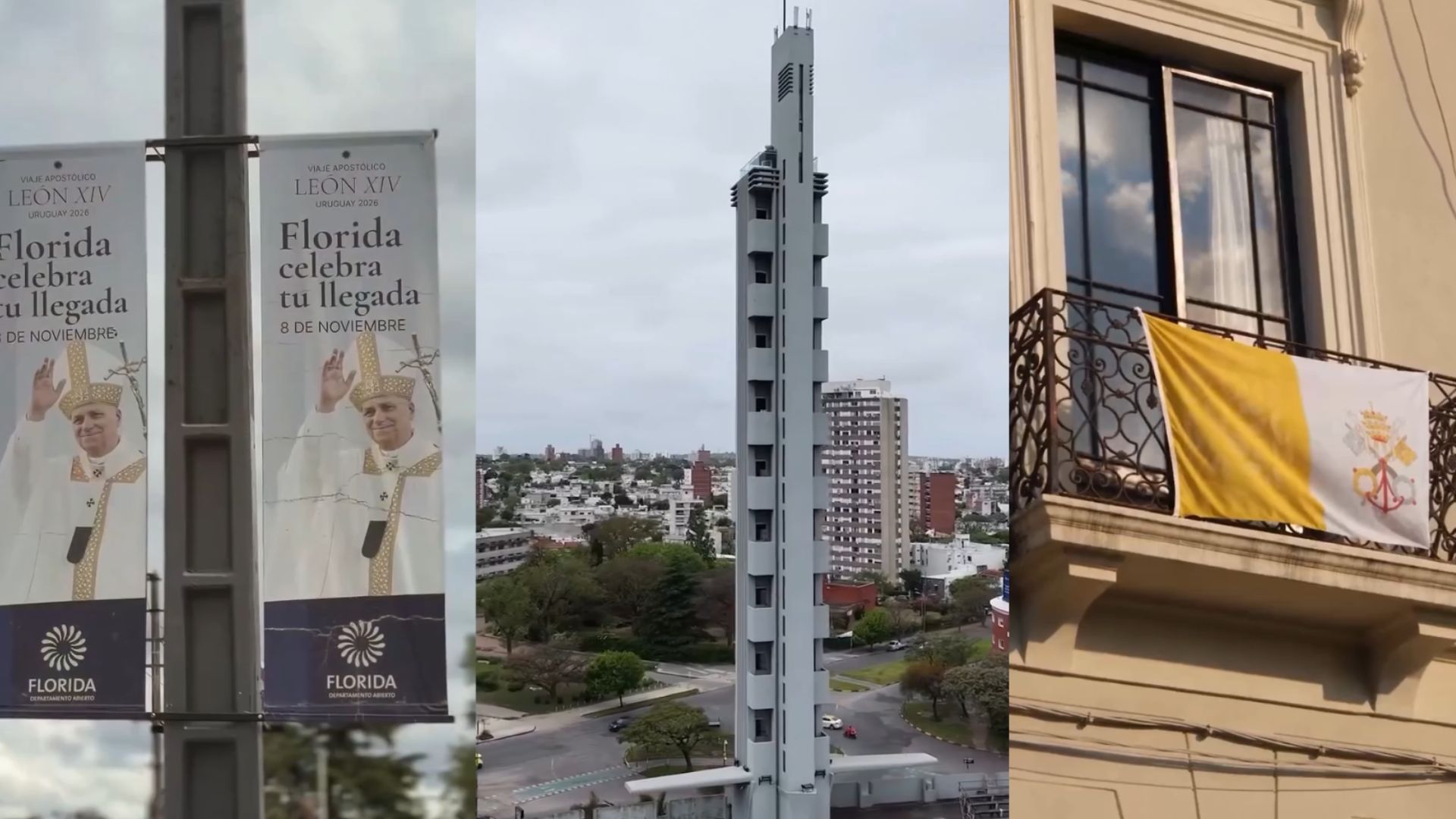
And there are plenty of signs of it across the country, in Florida and Paysandú, the two inland cities he was scheduled to visit, and in Montevideo. It's remarkable.
Everyone who calls me from Uruguay tells me there's a real buzz among people out on the streets. It's the topic of conversation on buses, on public transportation, at work, while people are waiting in line to pay a bill. Everywhere. And that says a lot about this pope's style.
Against this backdrop, Uruguayan Catholics hope Pope Leo's visit will mark the beginning of a new era.
BISHOP MILTON TROCCOLI; President, Episcopal Conference of Uruguay
For the Church in particular, I think this will be like a springtime, a revival in many ways. And I believe his presence and his message, which has always been one of peace and reconciliation, will also do us a lot of good as a country, especially amid so many situations of tension and violence, sometimes driven by addiction.
It all begins Friday, November 6, when Pope Leo XIV arrives in Uruguay, launching his apostolic journey through South America.