Daniel del Castillo González
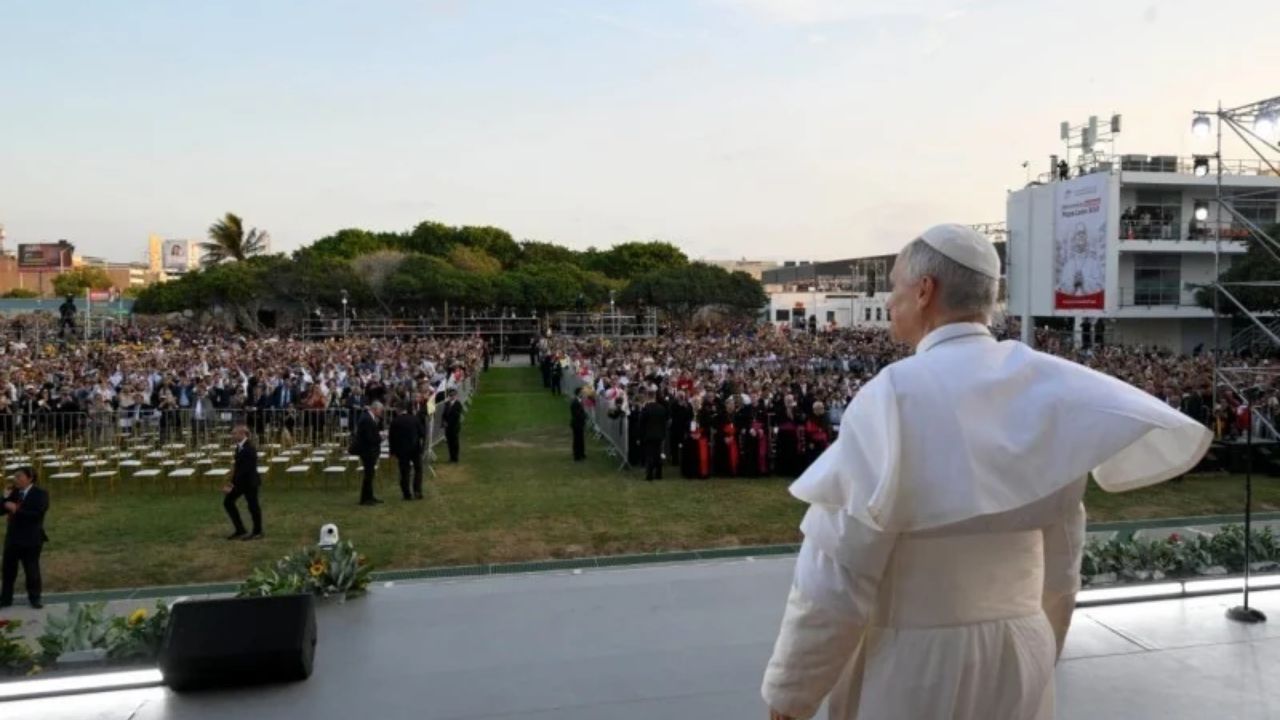
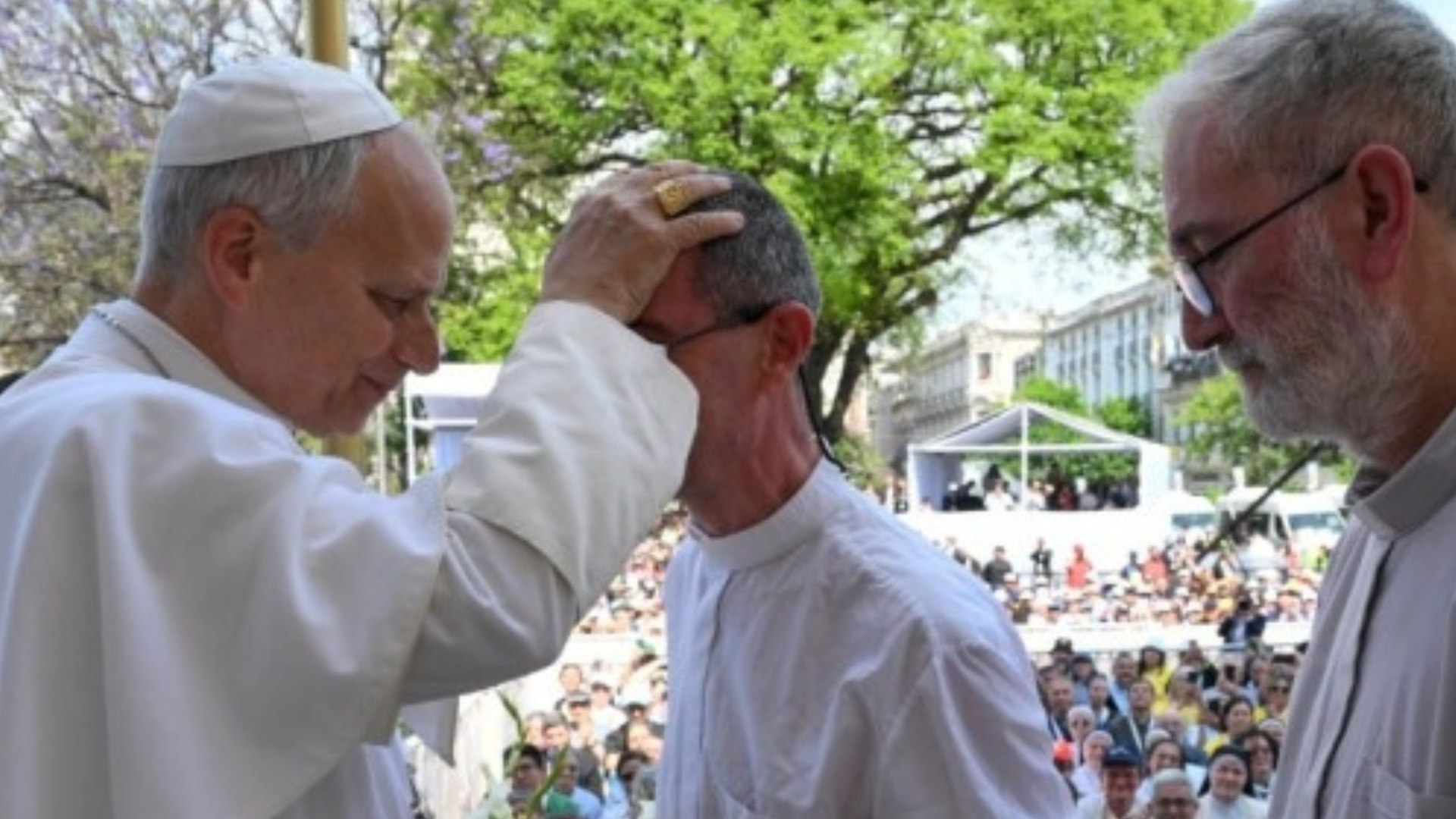
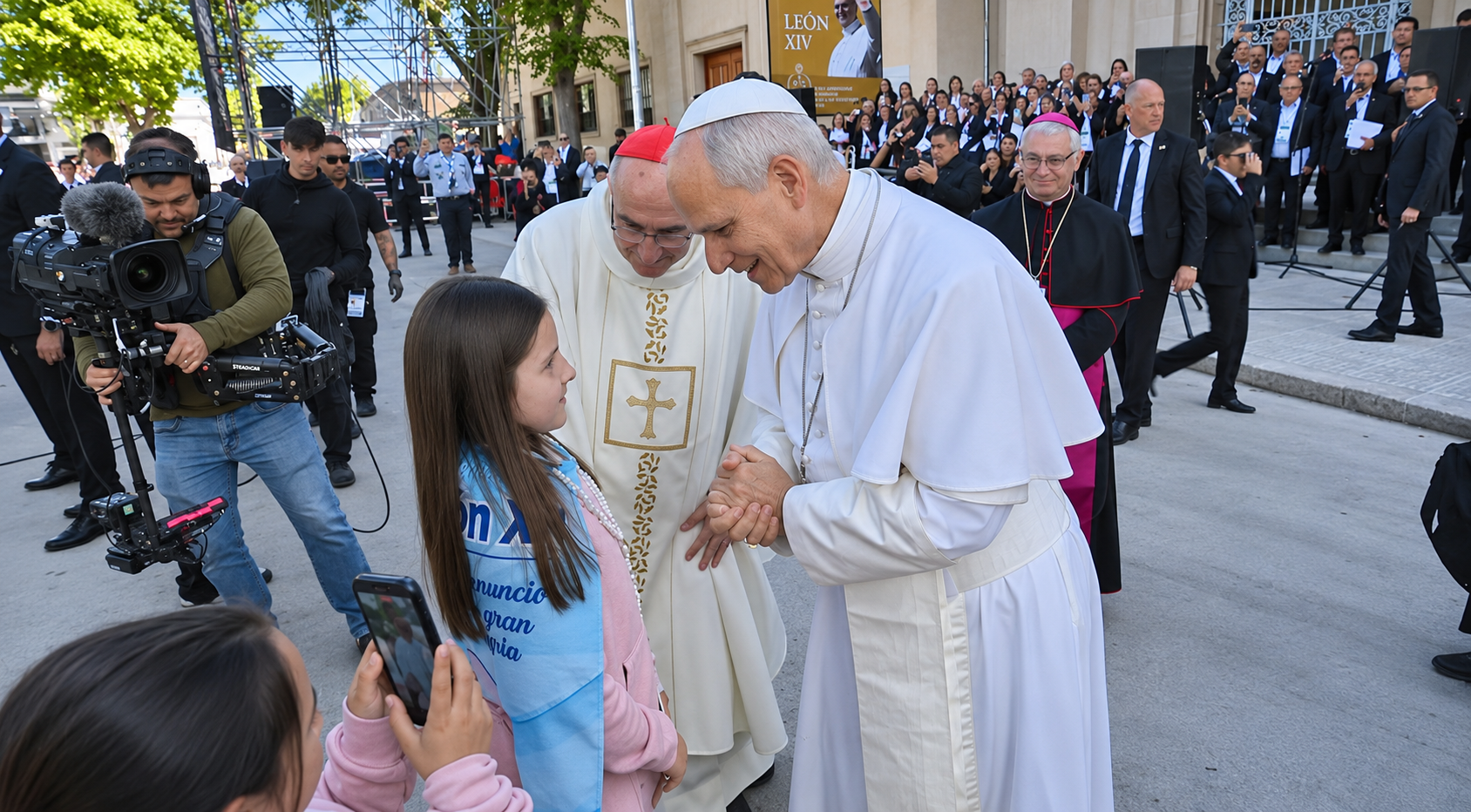
Pope Leo XIV returned to the Catholic University of Saint Turibius of Morgovejo in Chiclayo.
It’s an institution he knows well. He served as its Grand Chancellor during his years as bishop of this diocese. Speaking to the students and faculty, he addressed the challenges posed by scientific and technological development.
POPE LEO XIV
You know we are experiencing complex cultural changes. In this context, the university is called to be a place that develops talent and explores meaning: a place where intelligence does not submit to usefulness, but remains committed to the truth.
The pope said that universities should not only focus on preparing young professionals to compete in the job market, but also to think and make sound judgments.
POPE LEO XIV
For this reason, Catholic universities have a duty to remind the public and political spheres that science without conscience puts everyone's lives at risk.
The warning extends to those who develop and control new technologies. Danger arises when efficiency and profit take priority over human dignity.
POPE LEO XIV
Always seek the kind of wisdom that machines and computer programs can never possess. Only then will technological progress serve our integral development, safeguard the dignity of every person, and promote the common good.
Technology can process data, but it cannot replace human judgment about how and for whom it should be used. The pope pointed to Saint Turibius of Mogrovejo, who learned the languages of Indigenous communities and defended their dignity.
POPE LEO XIV
Today, promises of transhumanism and posthumanism are multiplying. These are ideological movements that claim technology will eventually eliminate every disease and every form of pain, as well as aging and even death itself.
These movements seek to overcome human biological limits through technology. Pope Leo warned that physical perfection and longer life could become privileges soley for the wealthy.
POPE LEO XIV
We are being sold the illusion of human beings optimized through cybernetics and biotechnology. Against this illusion, Christian anthropology reminds us that our limitations are not manufacturing defects. They are part of what makes human greatness possible.
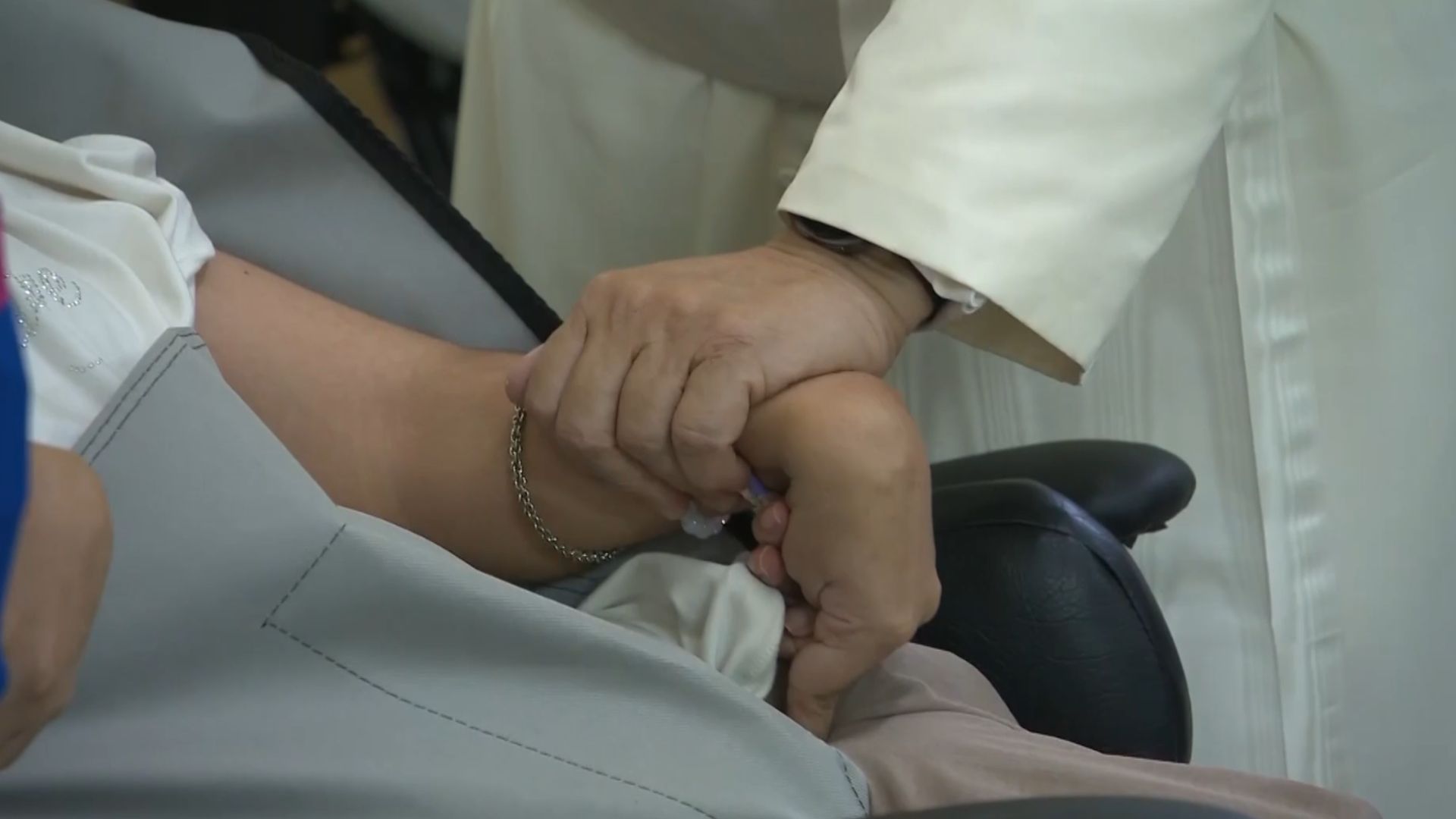
At the gathering, a professor told the story of her 20-year-old son Agustín, who has autism and epilepsy and whose cancer is in remission. Leo XIV drew on a word from her testimony to affirm the value of life, even through hardship and the care of others.