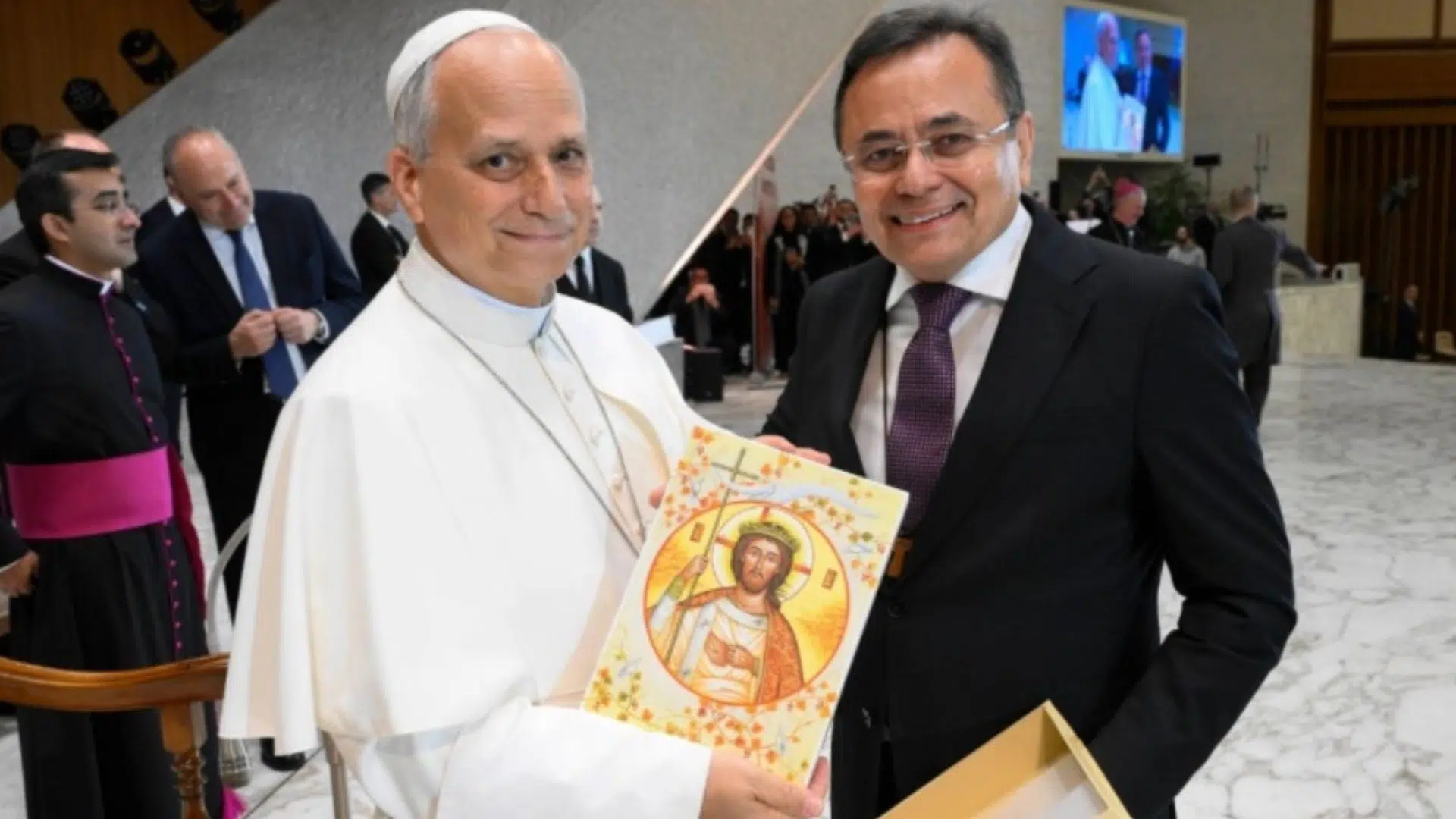
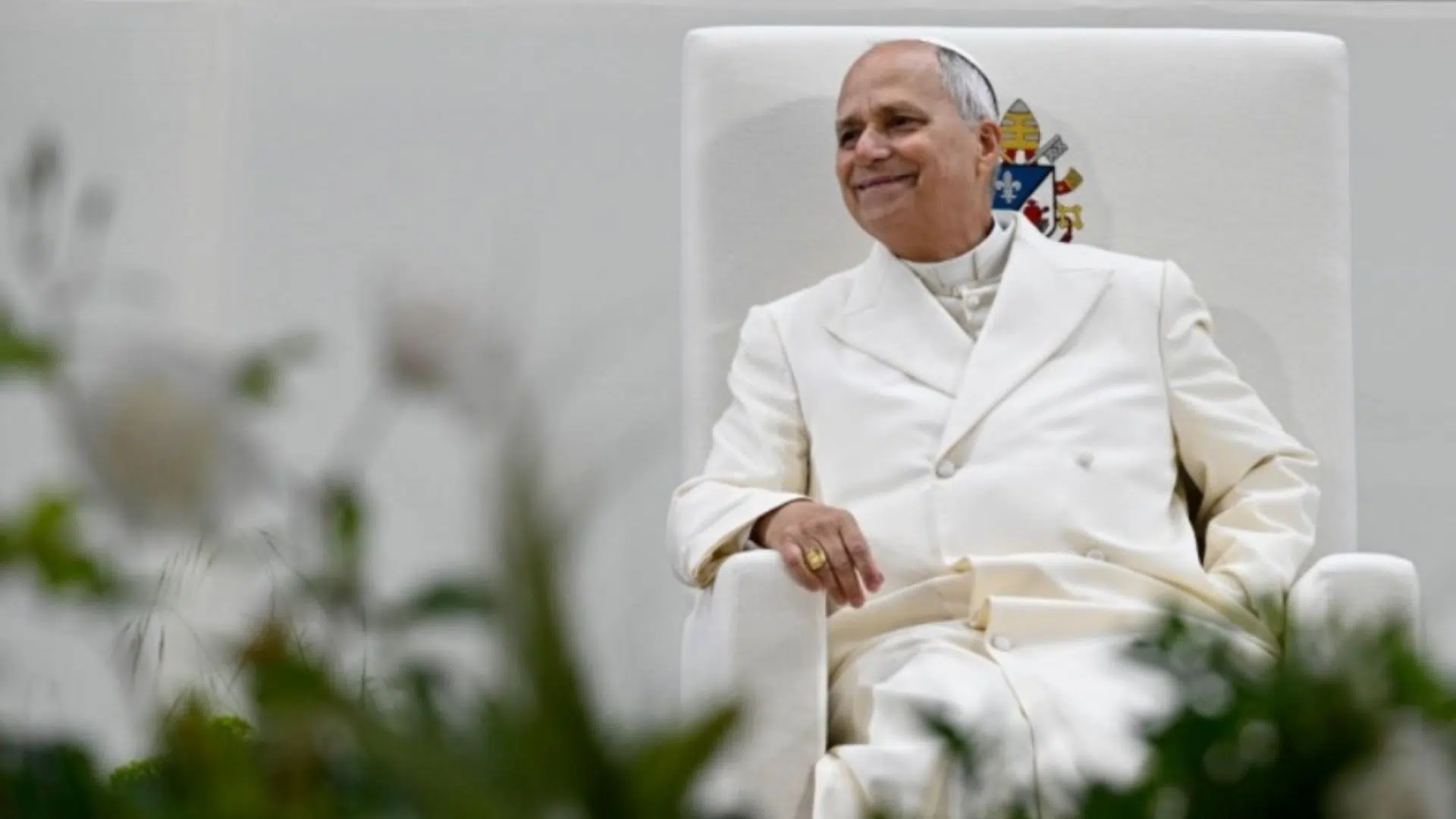
Months before Pope Francis died, Cardinal Fernández, a close personal friend, sat down with him at Casa Santa Marta to talk about the pope’s future.
The pontiff showed him a box containing several items: books, documents and a notebook. It was a personal planner turned into an intimate diary, in which Francis recorded his thoughts. Cardinal Fernández has now turned it into a book.
But that is not the only thing Fernández has kept from the pope that could be made public in the future. The cardinal himself explains in an interview with Rome Reports.
CARDINAL VÍCTOR MANUEL FERNÁNDEZ
Prefect, Dicastery for the Doctrine of the Faith
I still have an old copy of *Redemptoris Mater* that he had heavily underlined and annotated, and it also contains some papers written by him. But that wasn’t in the box, nor was it part of that collection. He had given it to me quite some time ago for a specific reason, and later told me to keep it. In the future, I’ll see what can be done.
So far, only the personal diary has been published. It reveals a side of Francis that may be less familiar to many: his mystical side.
And then there are the reactions from those who disagreed most with the pope. Has the book helped them understand his way of thinking?
CARDINAL VÍCTOR MANUEL FERNÁNDEZ
Prefect, Dicastery for the Doctrine of the Faith
I think that many who didn't understand him and who criticized him harshly, upon reading these personal details, will be able to view him with at least a little compassion, but I'm already seeing that some are reacting with nothing but more hatred.
One of the key themes is the profound crisis Francis faced toward the end of his papacy. The cardinal explains that it stemmed from pivotal moments and the pope’s commitment to following Christ through poverty.
CARDINAL VÍCTOR MANUEL FERNÁNDEZ
Prefect, Dicastery for the Doctrine of the Faith
He was a man, and remained so his entire life, of utter, absolute austerity. He had no interest in travel, vacations, dinners, or treating himself to anything, nothing at all, and he demanded that same asceticism from seminarians and young priests, which gave the impression of cruelty. But around 1990, he himself came to regret that and underwent a major change.
Fernández says Bergoglio became deeply sensitive to the suffering of others, afraid he might cause harm or fail to help someone in need.
CARDINAL VÍCTOR MANUEL FERNÁNDEZ
Prefect, Dicastery for the Doctrine of the Faith
And so he would beat himself up, seeing himself as a wretch, sometimes over trivial matters. You can see that throughout the diary. And this culminated in 2021 and 2022 in a major crisis, during which he felt that, as pope, he had great power to do so much good, yet he wasn’t using it properly. He saw that power as a temptation, and he endured two years of suffering, exhaustion, and even a certain superficiality, until, at the end of 2022, he was completely set free.
Francis was asked several times whether he was considering resigning, and he always said no. But this diary already speaks, as far back as the 1990s, of waning strength and spiritual exhaustion. Did he ever change his mind or consider stepping down as pope?
CARDINAL VÍCTOR MANUEL FERNÁNDEZ
Prefect, Dicastery for the Doctrine of the Faith
He would never resign from the papacy. And he said so, you know. At one point, he merely considered leaving certain instructions regarding what should be done if he were to lose consciousness. But apart from that situation, he said that one must carry on with the mission until the end, and that a pope’s resignation should be considered something very, very exceptional.
The diary began as a 1992 planner, which Pope Francis started using that December. He first began jotting down his thoughts that December and kept writing until 2024. Just months later, on April 21, 2025, the pope died.