Violet Riquelme
Jesus chose Saint Peter to first lead his Church, and alongside Saint Paul, he made his way to Rome. These two apostles laid the foundation of Christianity there—but what happened to the others?
They spread across the world: Andrew went to Byzantium and Greece and James the Greater went to ancient Hispania. In time, their paths helped established other Churches, each with its own distinct characteristics.
These Churches maintain traditions and rites different from those of Rome, though most are in full communion with the Pope. Each is led by what is known as a patriarch, who is elected in a “mini-conclave,” a synod that chooses the successor of the apostle that founded each specific Church.
One of these Churches, founded by Saint Thomas, is the Chaldean Church. It was established in Mesopotamia, present-day Iraq. Following the resignation of Cardinal Sako in 2025, this Church set out to elect a new leader.
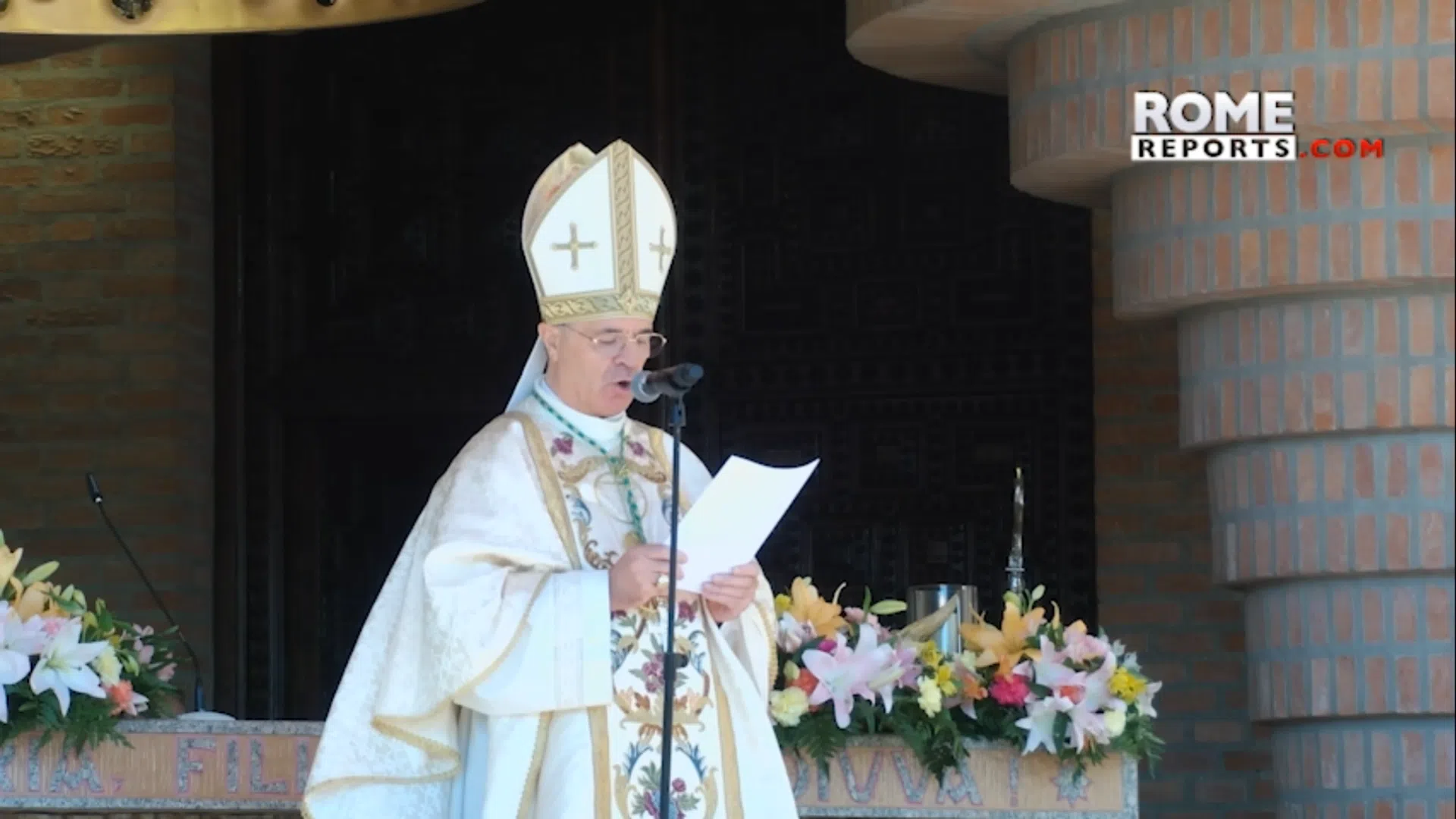
The new patriarch is Amel Nona, who has taken the name Paul III.
S.B. AMEL NONA
Patriarch of the Chaldean Church
I was born in a small town, you could say, a small city. In the north of Nineveh, in Mosul. It is an entirely Christian village; it is a village that was once famous in history. It has preserved the Chaldean liturgy very well. I hope to live as a Christian, a simple Christian. But with a special service, a special mission. That is, to be a father to everyone in our Church and also to accompany all the faithful of the Church.
Many can still vividly recall the rise of Islamic State persecution, when Mosul was among the hardest-hit cities. In 2014, it faced near-total collapse as terrorists took over the Iraqi city, persecuting and destroying any trace of Christianity.
At the time, Paul III Nona was the archbishop. He was forced to flee to Sydney, and he still remembers the terrible ordeal.
S.B. AMEL NONA
Patriarch of the Chaldean Church
It was very difficult—very, very difficult. It is not easy to see a region, a city, a Christian community that has risen from its origins up to the end of the first century, and then find no one there anymore. It is very difficult to witness that situation. When families, the entire community, in one night or in one day, leave everything behind, they leave the Church. They have also left their history, one could say, because we have lost a land that is very precious to us. The city of Mosul, which for us is the origin.
The Chaldeans face many challenges today, including their status as a shrinking minority, compounded by the large diaspora created by ISIS persecution.
The largest numbers emigrated to the United States, Australia, and Europe. The patriarch of the Chaldean Church warns, however, that this leads to the risk of losing both cultural and religious identity.
S.B. AMEL NONA
Patriarch of the Chaldean Church
The Western world is a world that has become highly homogenized. There are challenges of no longer being a culture, of no longer having a clear identity in the societies of this world. So that is the great challenge: when one loses one’s culture, when one loses one’s identity, or when one has difficulty maintaining one’s cultural identity and the identity of faith.
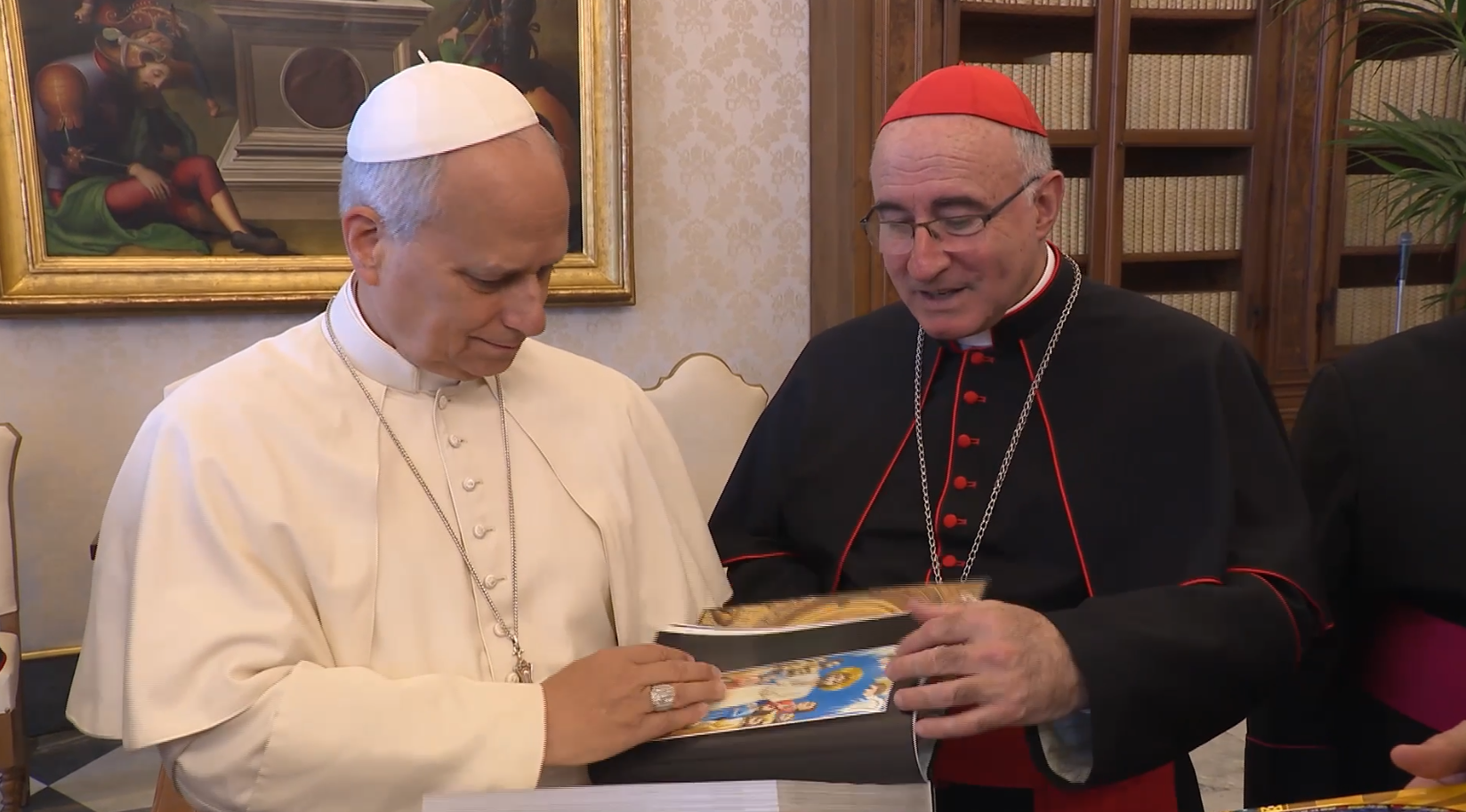
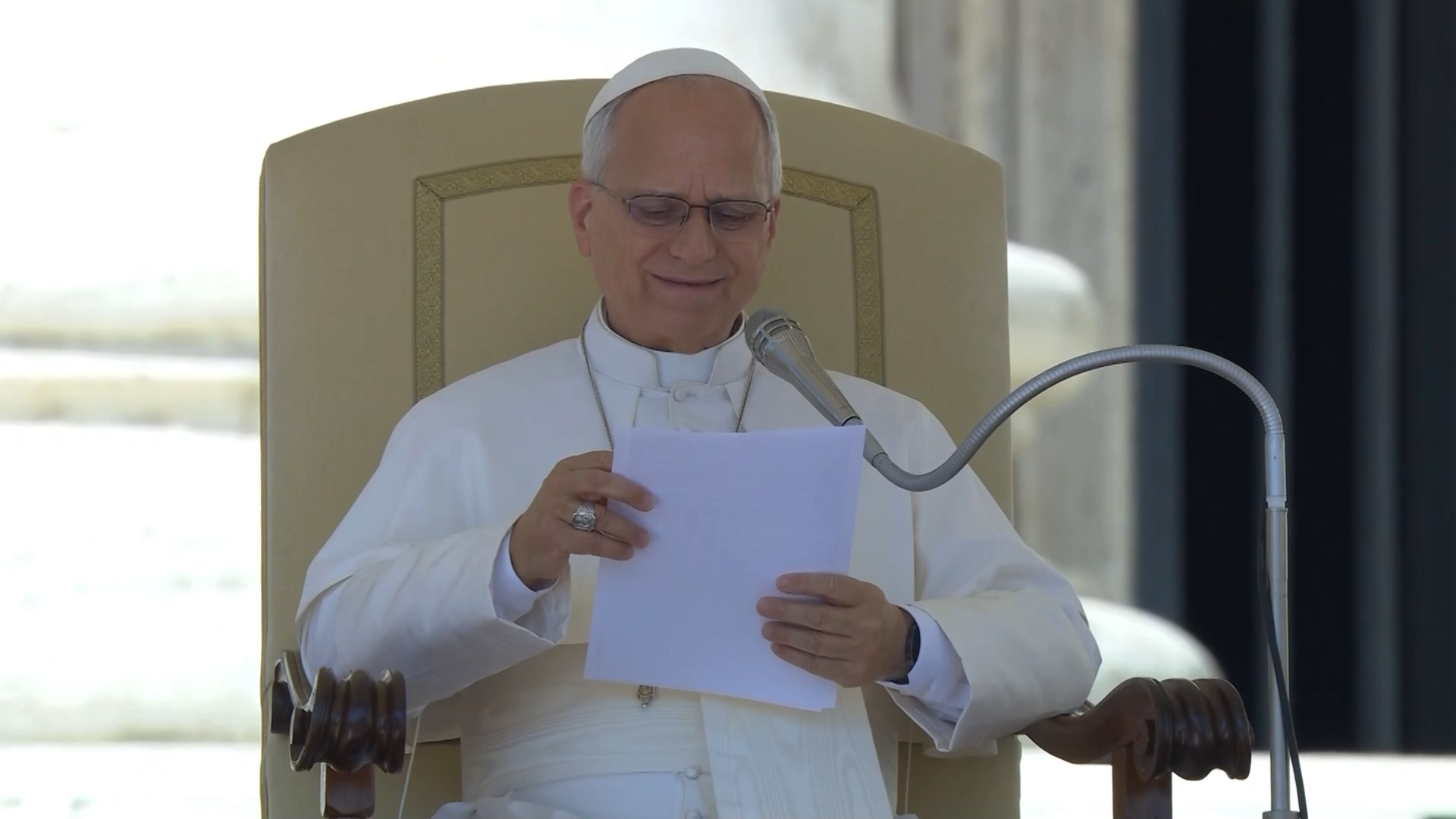
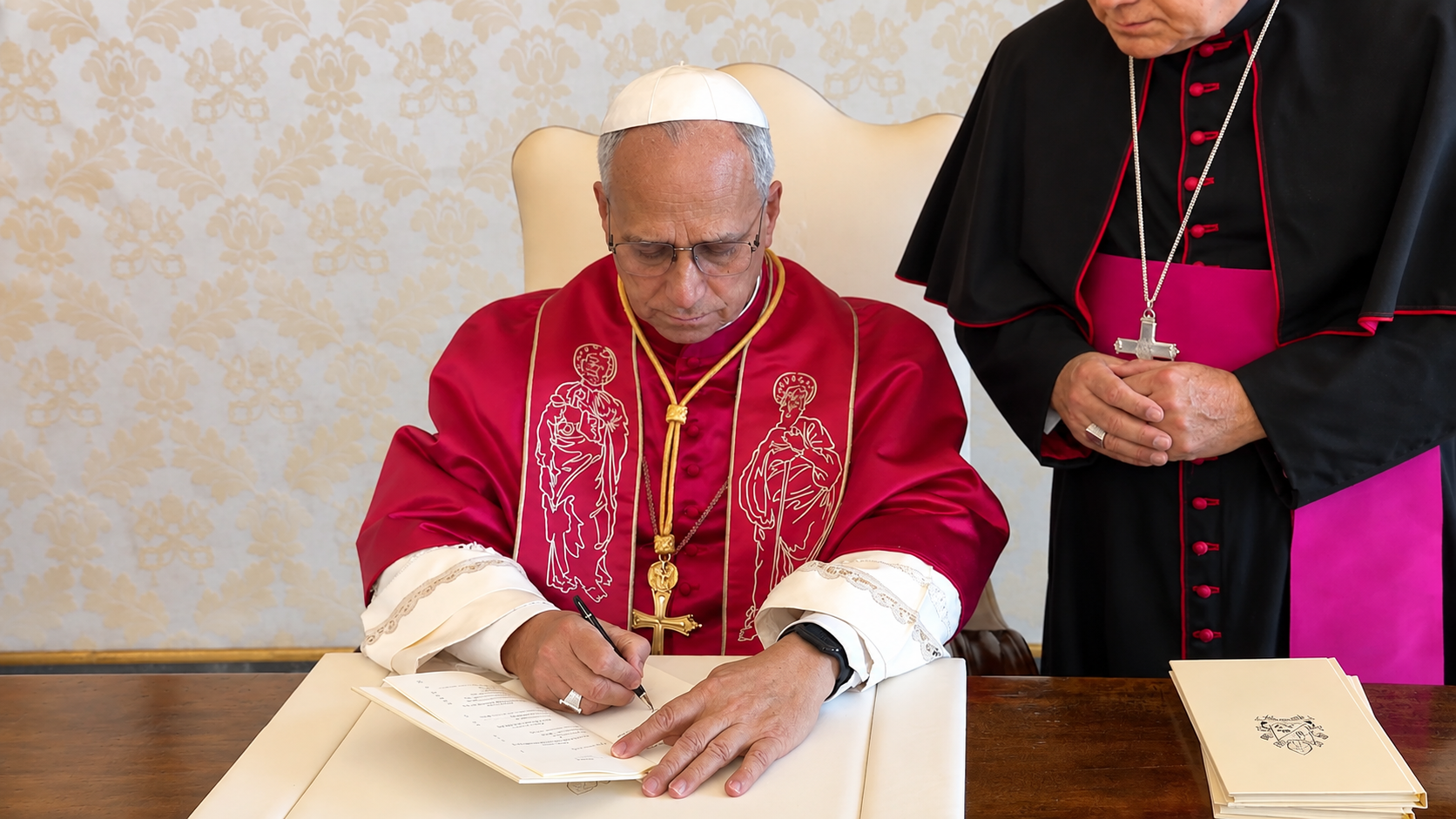
After his election as the new patriarch, one of his primary goals was to seek full communion with Rome through the Pope's approval, which Pope Leo happily gave. “With a heart full of joy,” the Pope declared, “I grant you Ecclesiastical Communion, in your own territory and in those of the ever-growing diaspora.” Often described as peacemakers in their homeland, these words marked a moment of hope and support for Paul III and the Chaldean Church.