Carmen Álvarez Cuadrado
“No news.” These are the words Laura Sgrò, the attorney representing five of Marko Rupnik’s victims, told Rome Reports one year after the tribunal was formed to try the former Jesuit, who is accused of abusing some twenty nuns.
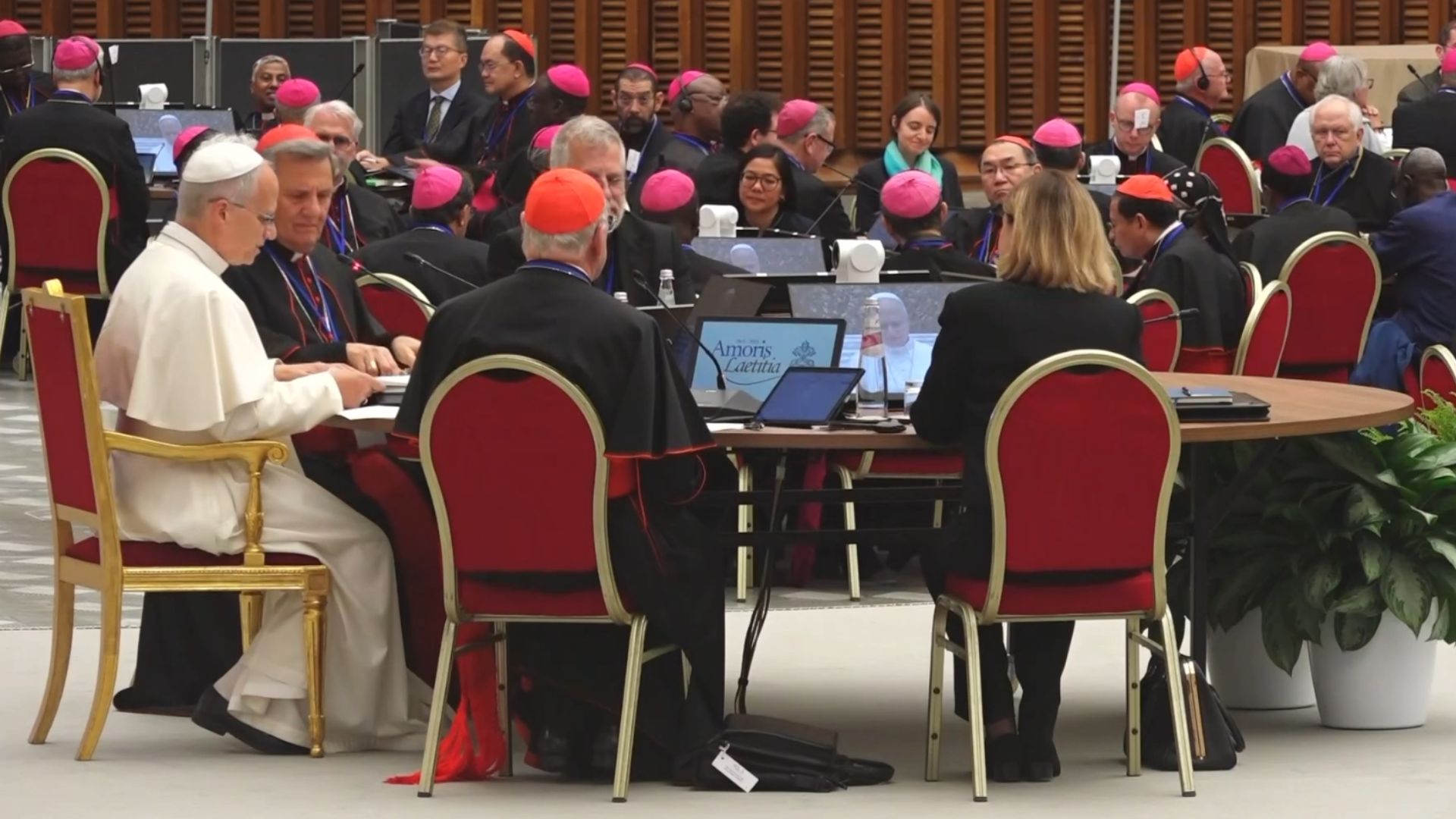
On October 9, 2025, the Vatican announced that the judges had already been selected. It is known that there are five people, women and clergy, but the exact breakdown is uncertain.
However, it is public knowledge that no member of the tribunal belongs to the Congregation for the Doctrine of the Faith or holds a position in the Curia. The goal, they said, is to ensure a fair and independent process.
But some victims have pointed out that it’s one thing to prevent parallel trials from taking place and quite another to have complete secrecy. Attorney Sgrò is criticizing the total lack of communication regarding the progress of the proceedings.
LAURA SGRÒ, Attorney of five Rpnik victims
No, the Doctrine of the Faith has never responded to me. It has never responded to my requests, nor has it ever answered my phone calls.
And even if requests are not granted, a response rejecting them must still be provided and must be justified. I find all of this to be completely outside the bounds of legal logic, and I want to make it clear that I am not demanding that the proceedings be made public.
But confidentiality is one thing; the protection of those basic rights that are part of natural law, namely, the right to a defense, is another. The right to a fair trial, which, I repeat, cannot be guaranteed under any circumstances in the dark.
With no official news about the Rupnik case for nearly a year, in July, the Vatican press office denied reports circulating in some media outlets that the trial had ended and the former Jesuit had been acquitted.
The case is still under review, and the court is examining documentation from the dioceses involved, the Jesuits, the interested parties, and the press.
This is the only information available about the case. According to the Holy See, it is still in the preliminary phase, with the judges still gathering the necessary evidence.
Meanwhile, there are still unanswered questions. It’s unknown whether Rupnik has a lawyer, whether he will have to testify, or how the proceedings will unfold. Nor is it known whether the victims will be present at the trial.
Until 2024, all of them were anonymous. Two of them came forward at this press conference. These former nuns, Mirjam and Gloria, publicly accused Rupnik for the first time and told their story.
GLORIA BRANCIANI, Former Nun
I’m running away because I want to die, because I don’t want to feel all the pain and the utter truth of my identity anymore. So I couldn’t think of anything positive about my life anymore. I’m also running away because I think that this way, Rupnik might come to his senses and free all those sisters, besides me, who had a sexual relationship with him.
Rupnik is accused of committing sexual, psychological, and abuses of power and conscience against adult women, particularly nuns from the Loyola Community in Slovenia, the theologian’s native country. If convicted, the maximum penalty he would face under Church law would be reduction to the lay state.
It’s also important to note that this is not the first time Rupnik has faced a canonical trial. In 2020, he was convicted of the offense of absolving an accomplice, meaning he absolved in confession someone with whom he himself had committed a sexual sin.
In addition to the trial by the Congregation for the Doctrine of the Faith, the Jesuits also conducted their own internal investigation. In 2023, after examining sources and facts, they stated the following:
“We consider the credibility of the allegations or testimony to be very high.”
Precautionary measures were imposed on him. He failed to comply with them, so the Society imposed the maximum penalty for breaking the vow of obedience: expulsion. Rupnik did not even appeal.
His whereabouts are unclear. It was even said that he had returned to Slovenia, although, according to a January 2025 report in “La Bussola Quotidiana” Rupnik is reportedly in a convent in Casperia, in central Italy, along with some of his loyal followers.
Rupnik became one of the most sought-after artists in the world. Shrines, cathedrals, and even the Vatican itself wanted his works. And his spirituality became a way of life for many. From being at the pinnacle of fame to awaiting a ruling that will now officially determine his future within the Church.