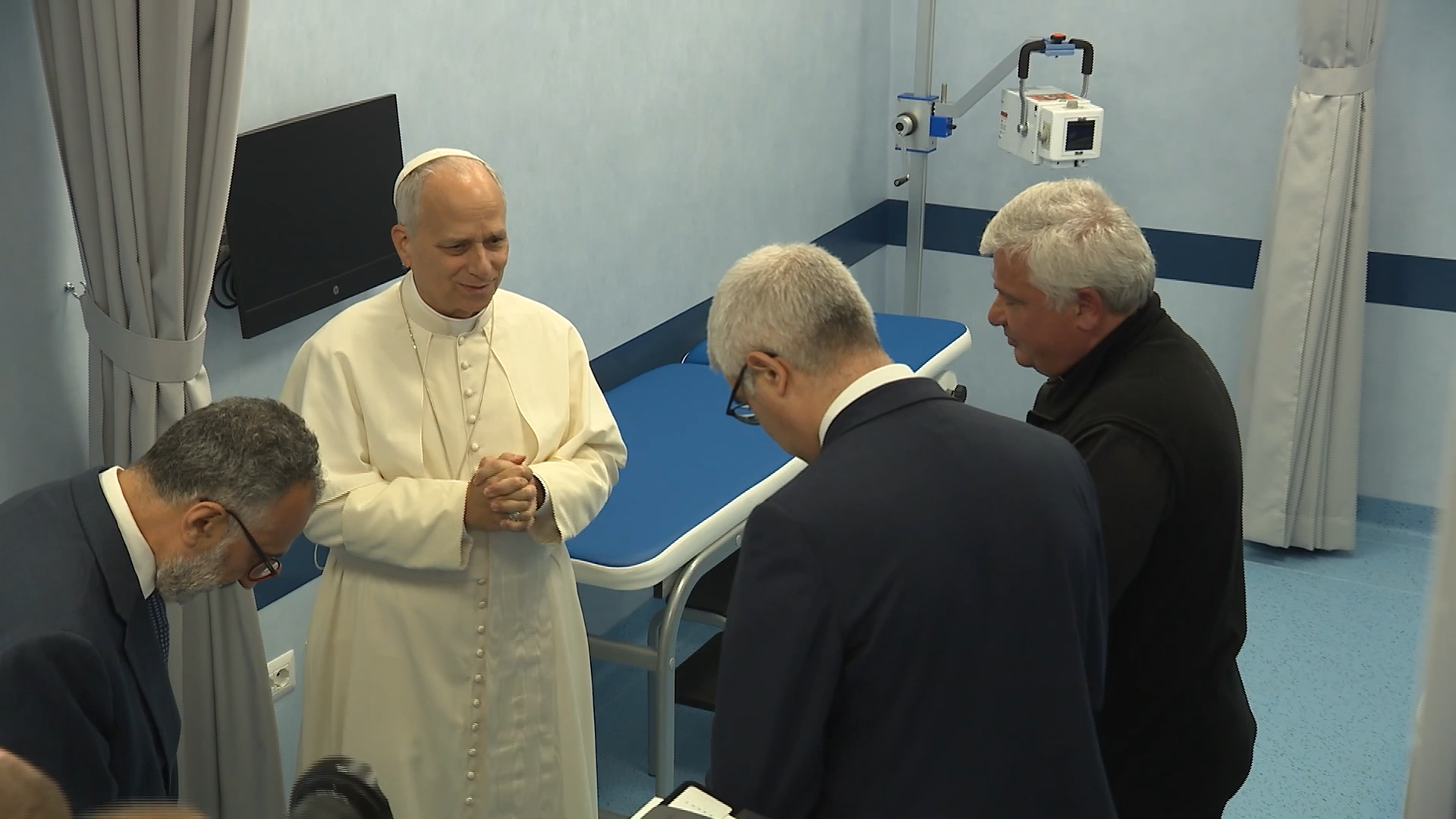
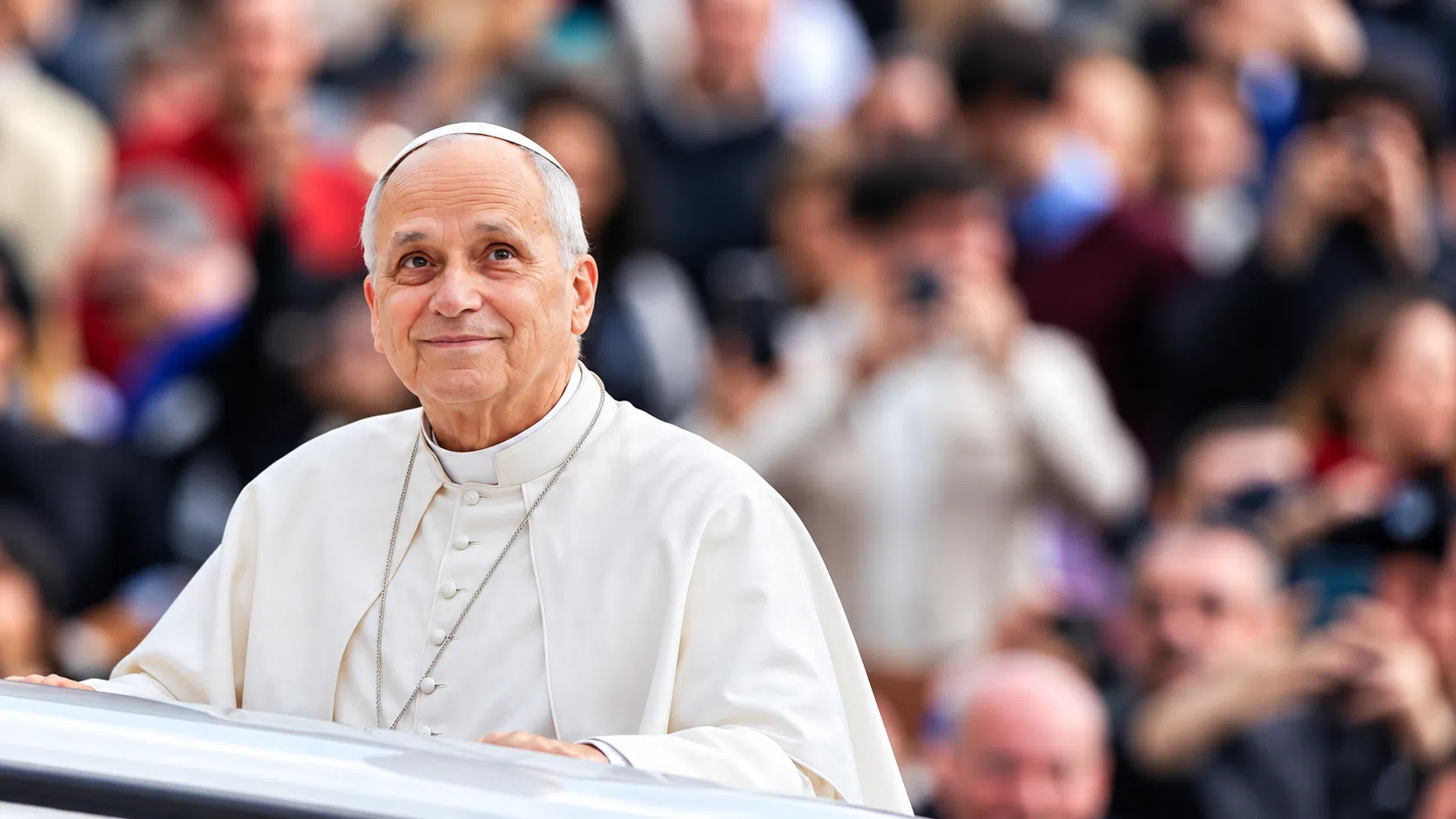
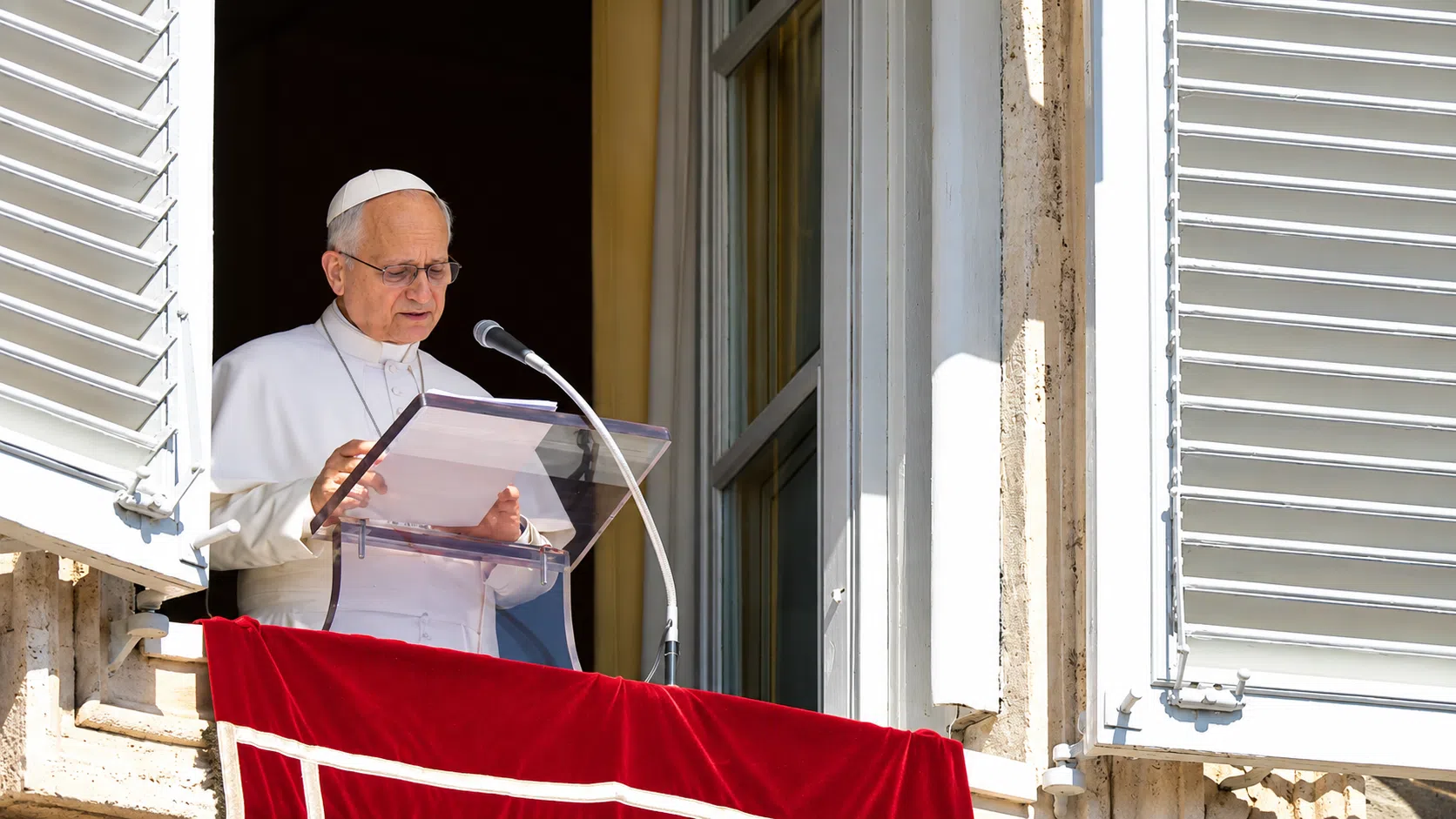
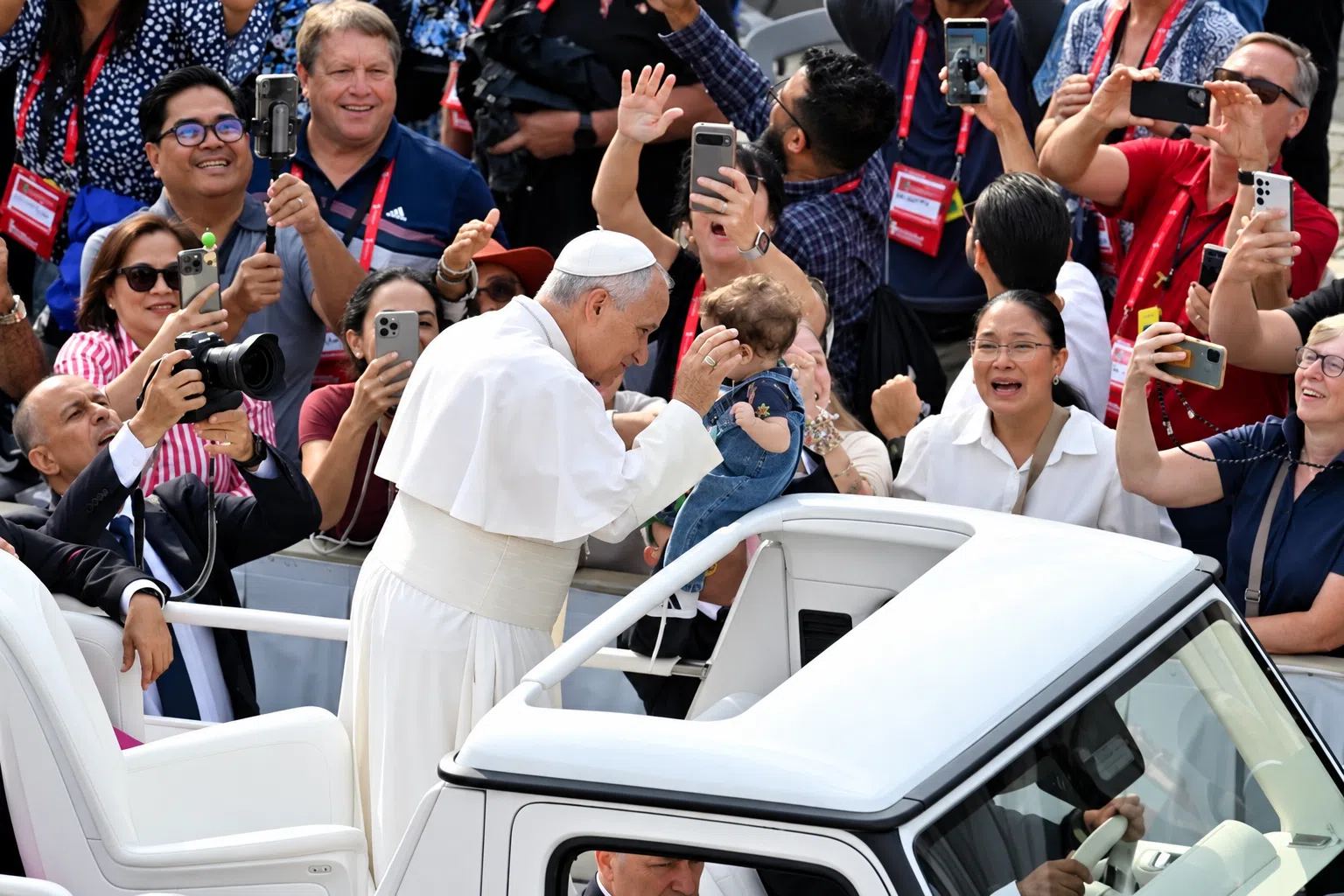
At 12:57 p.m., Pope Leo XIV left the Vatican. Ten minutes later, at 1:07 p.m., he arrived at the Gemelli Polyclinic.
He greeted those waiting for him at the entrance and entered the hospital to undergo lung surgery.
But what exactly happens in the operating room during a procedure like this?
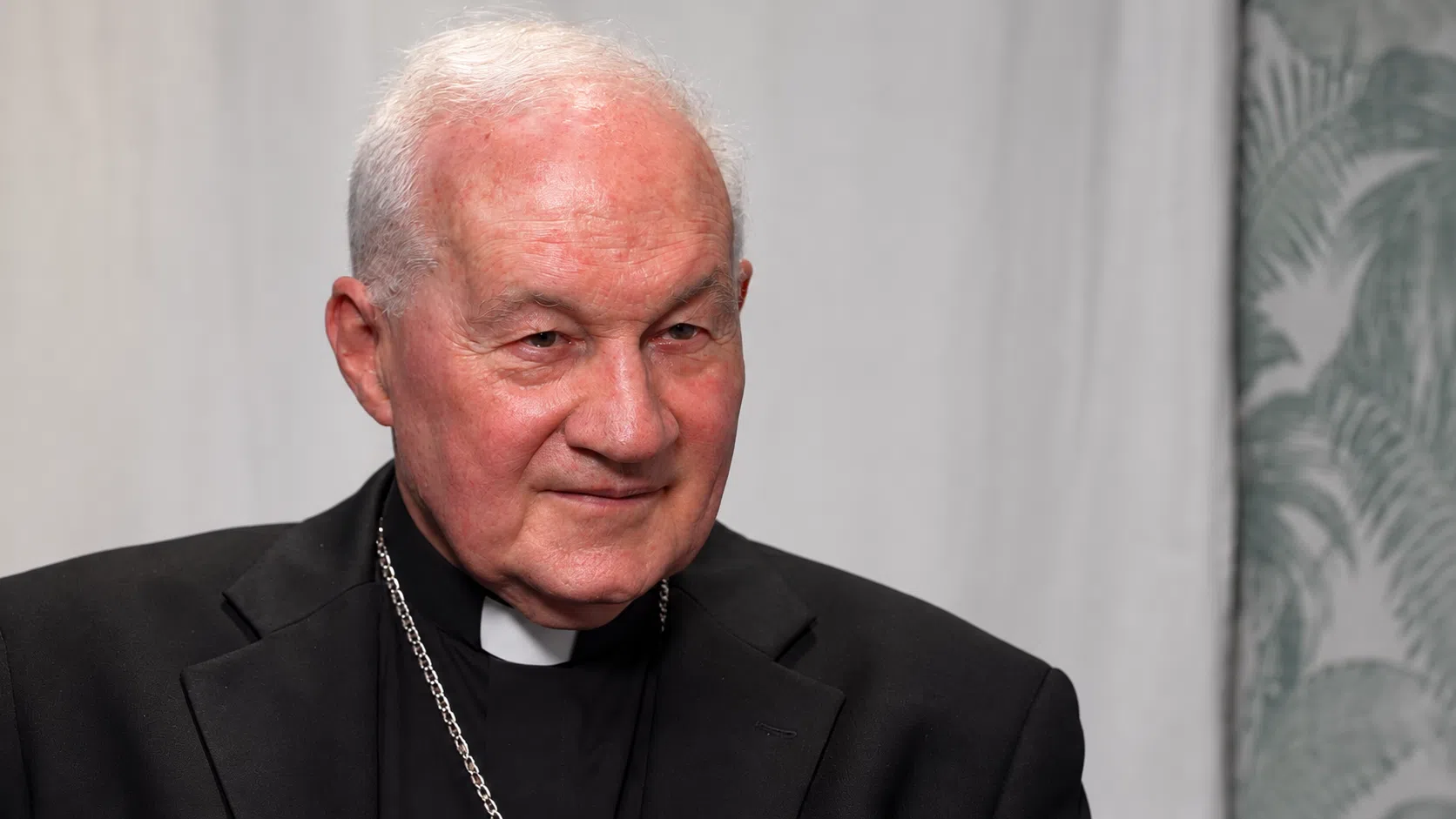
DR. MARCELO JIMÉNEZ
Chief of Thoracic Surgery, Salamanca University Hospital
If surgery has been recommended, it is because the characteristics of the nodule suggest it may be malignant. In that case, the type of surgery that needs to be performed is this: removing either a lung lobe or a lung segment, as well as removing the lymph nodes in the area for analysis. If the disease is localized, that means the tumor is confined exclusively to the lung.
It has not been confirmed that the nodule is malignant, nor have details been provided regarding the surgical technique that will be used.
In this type of procedure, the extent of the surgery depends on the characteristics of the lesion and on the analysis of the nodule, which can be performed during the procedure itself.
DR. MARCELO JIMÉNEZ
Chief of Thoracic Surgery, Salamanca University Hospital
In addition to removing that part of the lung, they will also remove all the lymph nodes in the area, because this is very important for the treatment of lung tumors.
If any of the lymph nodes are affected by the tumor, then you would need additional treatment. And that additional treatment usually involves chemotherapy.
To reach the lung, one of the standard techniques involves general anesthesia and small incisions in the chest.
DR. MARCELO JIMÉNEZ
Chief of Thoracic Surgery, Salamanca University Hospital
The important thing is that it's done through those small incisions using cameras and very fine, very thin instruments that cause very little trauma to the chest, so that closing the incisions afterward is very simple and very quick.
When finished, it is customary to leave a small tube in place to allow air or liquid to escape during recovery.
DR. MARCELO JIMÉNEZ
Chief of Thoracic Surgery, Salamanca University Hospital
Typically, after these procedures, a drain, a small tube placed in the pleural cavity, is left in place and is usually removed within one or two days.
The Vatican expects Leo XIV to remain hospitalized for about a week.
The surgery to remove the nodule will determine whether the pope needs any additional treatment. For now, the nature of the injury remains unknown to the public.