James O'Reilly
This linen cloth, which is believed to have been the burial cloth of Jesus Christ, is the most studied relic in the history of the Church and of humanity.
The well-known account states that the wounds correspond to the story of the Passion: the man of the Shroud wore a crown of thorns, was scourged, carried a great weight on his back, and was pierced in his side after his death.
Supported by Nature Scientific Reports, a new and ongoing study confirmed that the Shroud passed through the Middle East. According to researchers, traces of DNA from the hands of Middle Eastern handlers were found on the ancient cloth.
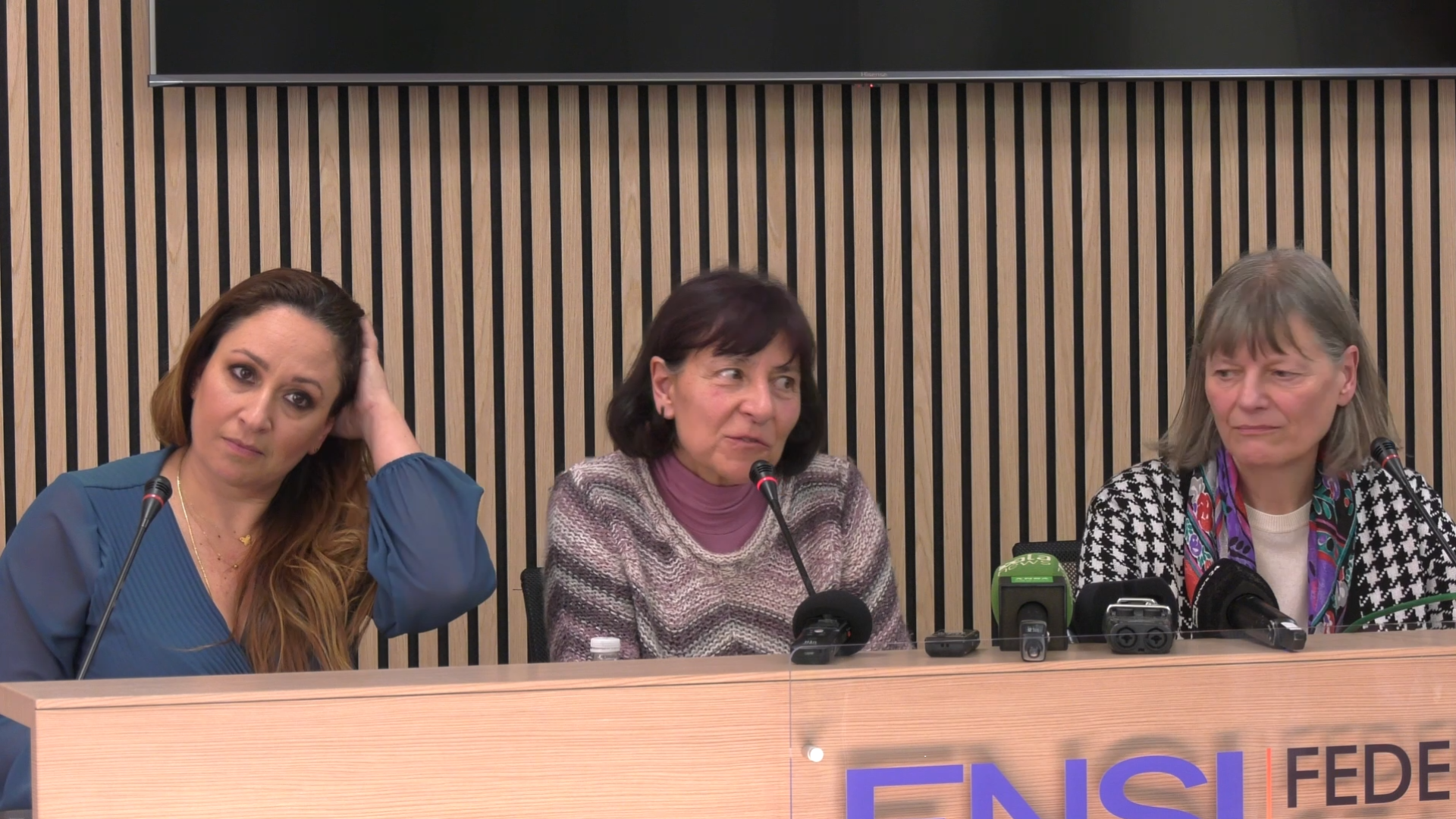
ALFONSO SÁNCHEZ HERMOSILLA
Spanish Center for Sindonology
That fragment of mitochondrial DNA that we found on the Sudarium of Oviedo turns out to be most common among ethnic groups originating from the Middle East. So, well, it is an interesting finding that should be compared, when possible, with the DNA present in the blood on the Shroud of Turin.
The second most predominant traces of DNA can be tracked to Sindh, India, through which the Shroud is believed to have passed. This is also why the study of the Shroud is called 'sindonology'.
ALFONSO SÁNCHEZ HERMOSILLA
Spanish Center for Sindonology
The Silk Road was active hundreds of years before the birth of Jesus of Nazareth. Therefore, it is no surprise that there were trade exchanges between the Roman Empire and the Far East.
The Shroud also shows a mold that is very common in high-salinity area, meaning it may have been preserved in a saline environment, which potentially points to the Dead Sea—a spot not far from the historical location of Christ's passion and death.
ALFONSO SÁNCHEZ HERMOSILLA
Spanish Center for Sindonology
One of the most likely possibilities is that these fabrics had either been used previously, or that the body of this person was wrapped with salts from the Dead Sea, which were a cosmetic product highly valued today and even more so at that time. Therefore, it is indeed possible that there was contact—if not direct, then at least proximity to the Dead Sea—and that the people who handled these cloths used Dead Sea salts as cosmetics or wrapped bodies with them.
This is one of many studies related to the Shroud, including analyses of the blood stains on the fabric or carbon-14 testing to determine its age. Through studying the Shroud, researchers have even identified the exit wound of the spear which the Roman soldier used to pierce Christ's side.
Analysis has also led to reconstructions of Jesus Christ—what he may have looked like physically, and the characteristics of the Jewish man who lay within, bearing signs of violent torture. But for now, it has yet to be confirmed with 100% certainty that this was the linen cloth that covered Jesus of Nazareth.