Ana Torres Fonseca
Portrayed as a solitary and anti-social man or as a sort of grouchy hermit, the historical stereotype created around the architect Antoni Gaudí is, according to some, not really true to reality.
LLUIS CLAVELL
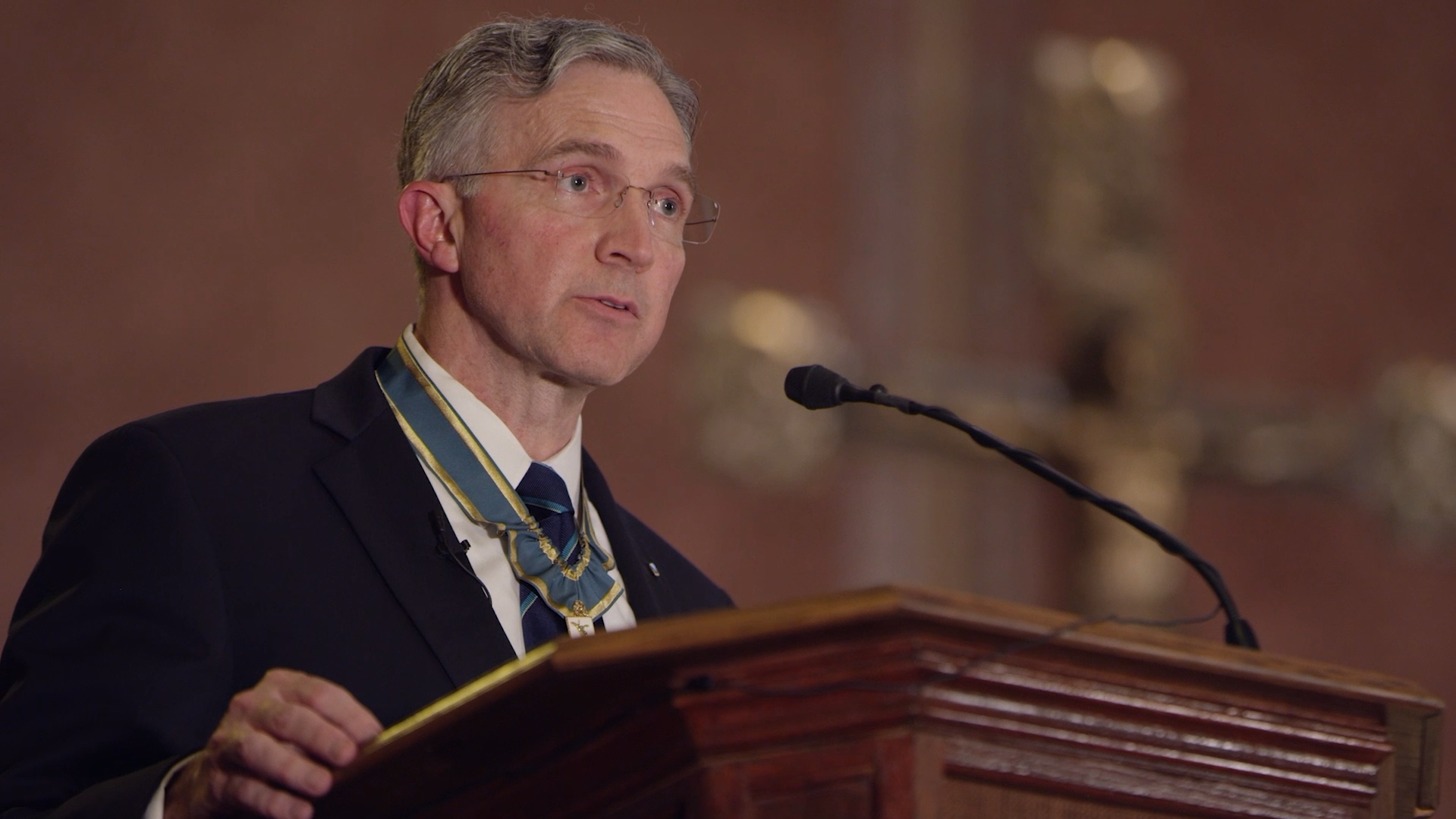
Professor of Metaphysics
He certainly had a strong character, but I believe that when someone is as great as he was, that may not please everyone at times. But he was a man who got along very well with children, and very well with young architects.
Antoni Gaudí was not only an architect, but an artist through and through. He was a technical innovator, a tireless observer of nature, and a man marked deeply by a radical faith.
Near the end of the nineteenth century, after studying architecture in Barcelona and experiencing various crises, the direction of his life changed utterly.
CHIARA CURTI
Architect and Gaudí biographer
And so, it is true that he left behind a small group of people, because these bourgeois families were the minority in Barcelona, and he began spending time with the people who lived with him at the Sagrada Familia, that is, all the poor people. Keep in mind that the Sagrada Familia was growing in the poorest neighborhood of Barcelona.
This inner transformation did not lead him away from society; it did quite the opposite. From this, the Catalan architect began his great work, the Sagrada Família, forging friendships with all the workers under his direction.
CHIARA CURTI
Architect and Gaudí biographer
Well, what surprised me most was the number of people who had this relationship of friendship with him. And this image of the isolated genius that people often wanted to promote almost like a brand was not really true.
LLUIS CLAVELL
Professor of Metaphysics
He cared deeply about the workers and about children. There were times when they had no money, and he tried to make it possible for them to remain employed there. That is why he came up with the idea of the school, a school which, seen from above, has a very unusual shape because it forms three hearts: the heart of Mary, Joseph, and the Child.
It is meanwhile difficult to separate Gaudí’s work from the name Eusebi Güell, who was the artist’s main patron. In him, Gaudí found someone willing to finance his projects, as well the attendant projects that came with it.
The most important of these was the Colònia Güell, which was not simply a factory surrounded by houses, but an attempt to create a workers’ community with better living conditions.
LLUIS CLAVELL
Professor of Metaphysics
And well, he cared greatly about the workers. He cared about the children.
Perhaps when he created the Colònia Güell, for example, which was for a textile company, besides the church he built there, which is connected to the Sagrada Familia, he also built houses for the workers. But what is remarkable is that he said: ‘The houses for families cannot be like a repeated model.’
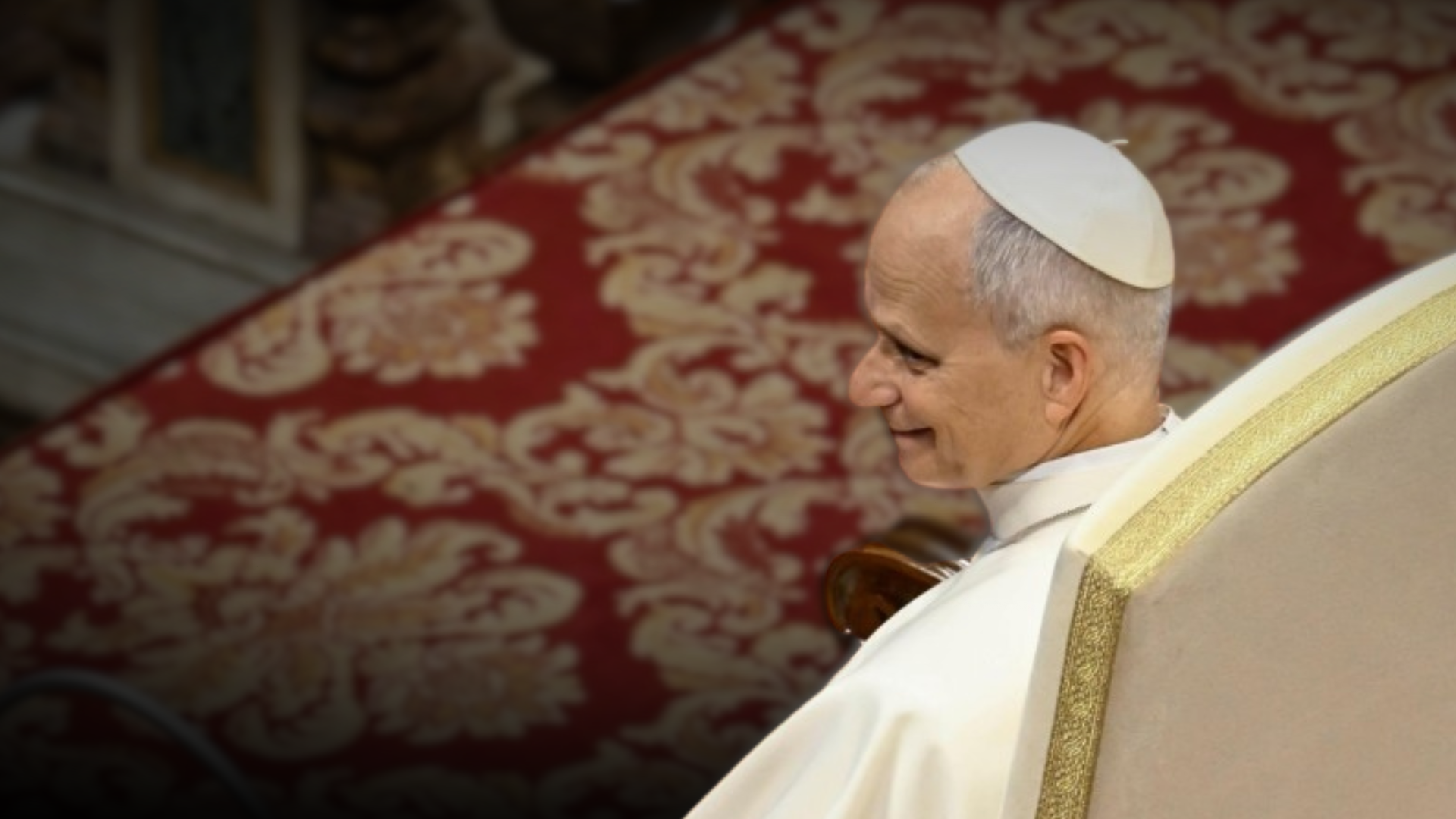
2026 is the centenary of the artist’s death, making it an appropriate time for Pope Leo's papal visit. He could also become one of the next saints of the Catholic Church.