Ana Torres Fonseca
Behind a painting of the Virgin Mary's heavenly face... could there be the hand of a murderer or a rapist?
This is how the book titled *Criminal Art* begins: a work that reveals the hidden side of some of the most famous artists in history:
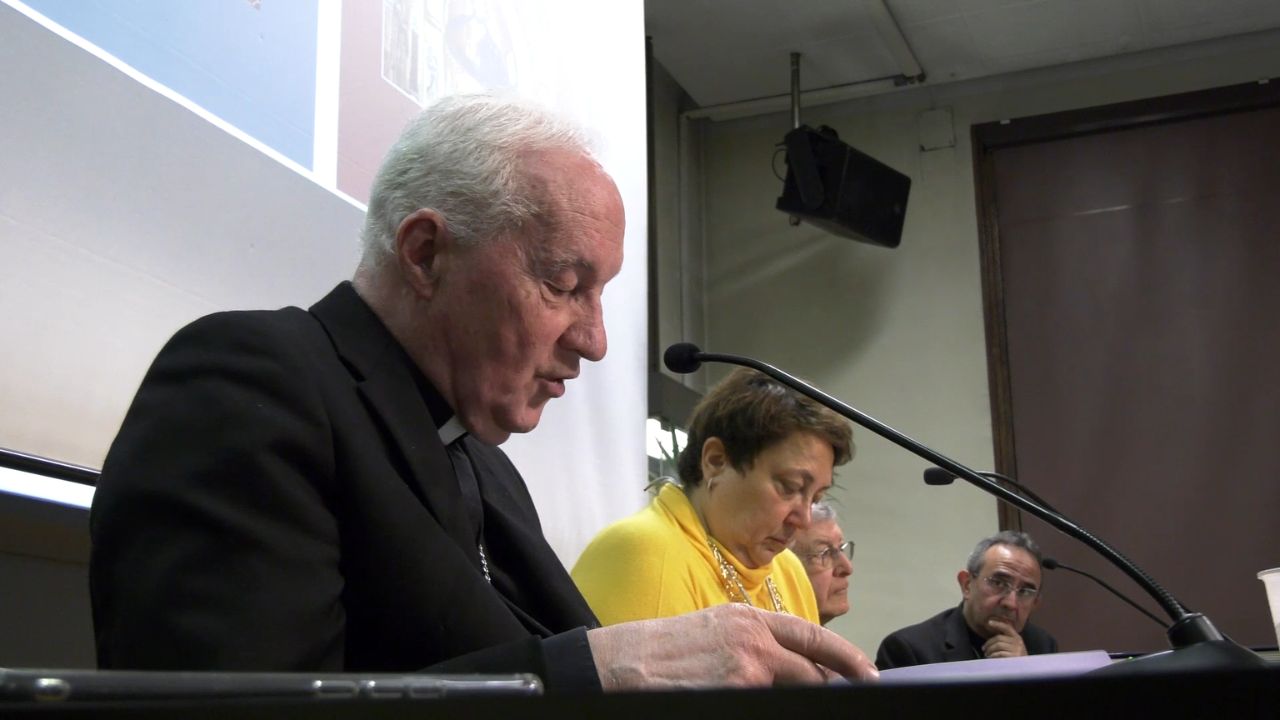
VANIA COLASANTI
Journalist and author of 'Criminal Art'
We’ve brought together 12 artists whose lives have been marked, not necessarily only by crime, but also by experiences of abuse, excess, their own delusions and a touch of madness. By bringing these stories together and telling them not as essays, but as standalone tales, we aim to shed light not only on their works, but on the darker and more complex areas of their lives.
Rafael, Borromini, Bernini, Artemisia Gentileschi, Van Gogh, and Pollock revolutionized art with their technique and their ability to capture both the world they knew and the one they imagined; however, the torments they endured were the seed that later bore the fruit of the works we know today.
So it's time to ask ourselves: can the artwork be separated from the artist?
VANIA COLASANTI
Journalist and author of 'Criminal Art'
It’s true that now, perhaps knowing the background or the lives of these artists, one might see them in a different light—even though they are primarily artists of the past. With Polo, we move into the 20th century. Today, certainly, anyone who commits such a crime, even if they create works of art, would not enjoy the same fame among connoisseurs.
Among them all, there is one who stands out for his radical use of light and shadow, violence, grime, and the human condition without idealization... And also for his turbulent life:
VANIA COLASANTI
Journalist and author of 'Criminal Art'
Caravaggio is certainly regarded as the “cursed painter,” but more because of his lifestyle.
Caravaggio certainly led a reckless life—and not just because of his crimes. After killing Ranuccio Tomassoni in a duel, he was convicted and forced to flee Rome.
But his works are marked by that murder. It is almost as if he were trying to atone for it—and also to obtain a papal pardon. He may even have portrayed himself in David with the Head of Goliath—a self-portrait created, in a sense, as an act of penance. It is as though he were saying: “Here I am. I have repented for what I have done.”
Other than assassins and rapists, the book includes victims such as the artist Artemisia Gentileschi.
VANIA COLASANTI
Journalist and author of 'Criminal Art'
Because she was the victim of another painter: Agostino Tassi. There was abuse, violence; she denounced this painter because he refused to marry her.
And the interesting thing about Artemisia Gentileschi is that art redeems her. Through art, she takes her revenge because she paints—specifically, against Agostino Tassi. This can be seen in works such as Judith Beheading Holofernes, Agostino Tassi, and Jael and Sisera, in which she drives a nail into his neck. These works are featured in the book, and they show how she takes her revenge through art, which becomes a way of redeeming herself from the violence she suffered.
That is why, behind some of the greatest masterpieces in the history of art, there is not only genius and beauty, but also lives marked by extremes: bloody duels, hasty escapes, obsessions, abuse and delusions that gave birth to what this book calls “Criminal Art.”