Ana Torres Fonseca
French-lawmakers have backed a bill legalizing assisted dying in the country. By doing so, the country enacts one of the most significant bio-ethical changes in decades.
Under the law, assisted suicide is permitted. If a patient is unable to take the lethal substance themselves, a physician or nurse is authorized to administer it.
The procedure can only move forward after review by a medical panel and confirmation that all legal eligibility requirements have been met.
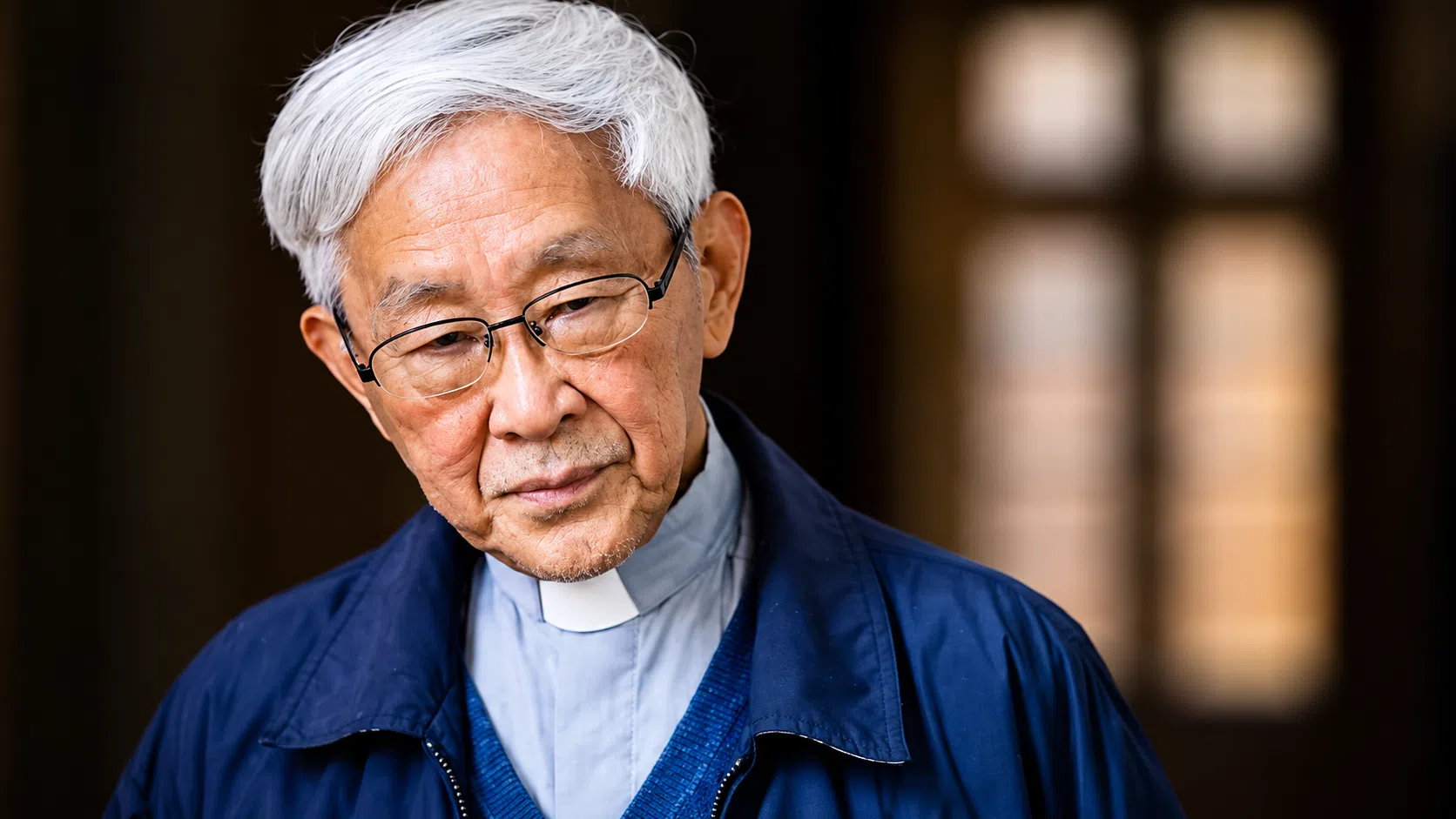
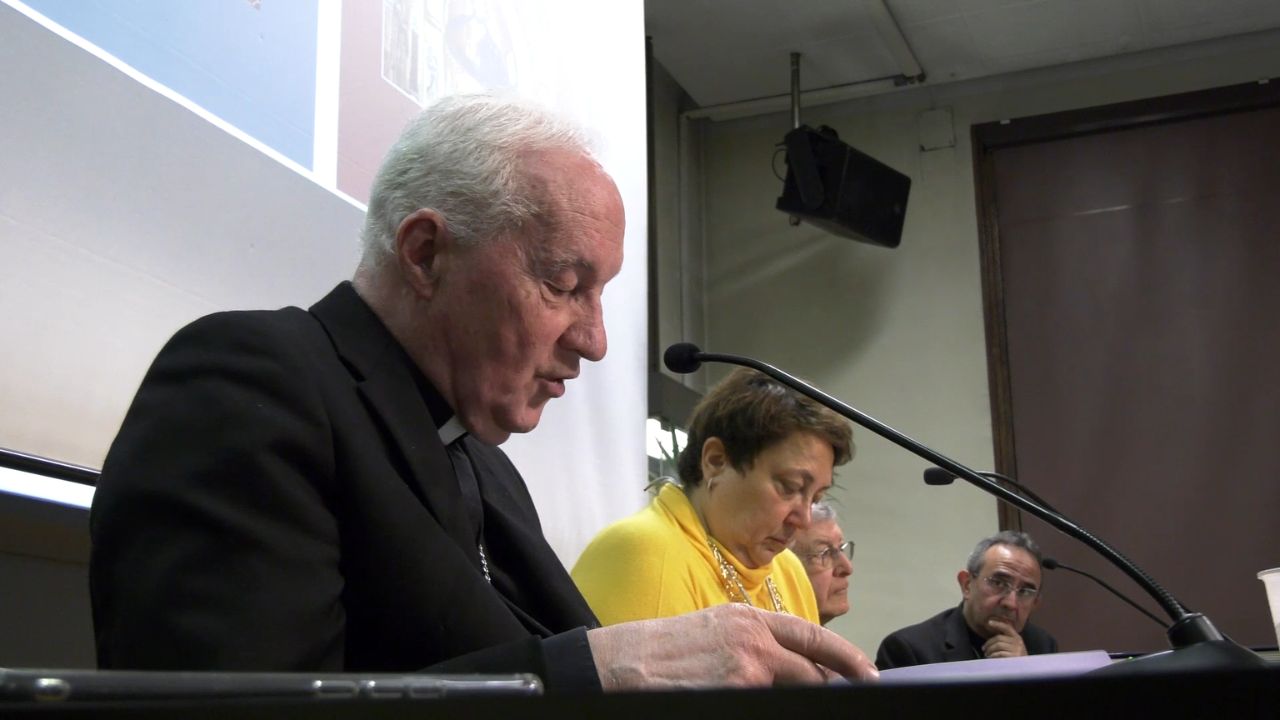
MONS. GUILLAUME DERVILLE
Director of Fontblin Priests' Center, France
The law applies to adult French citizens or permanent residents of France who have a serious, incurable disease that is life-threatening and in an advanced or terminal stage. They must also be enduring suffering that cannot be eased by treatment or is still unbearable after ending treatment.
The Catholic Church has now responded. In a statement, the French Bishops' Conference expressed concern about the law and its potential social consequences.
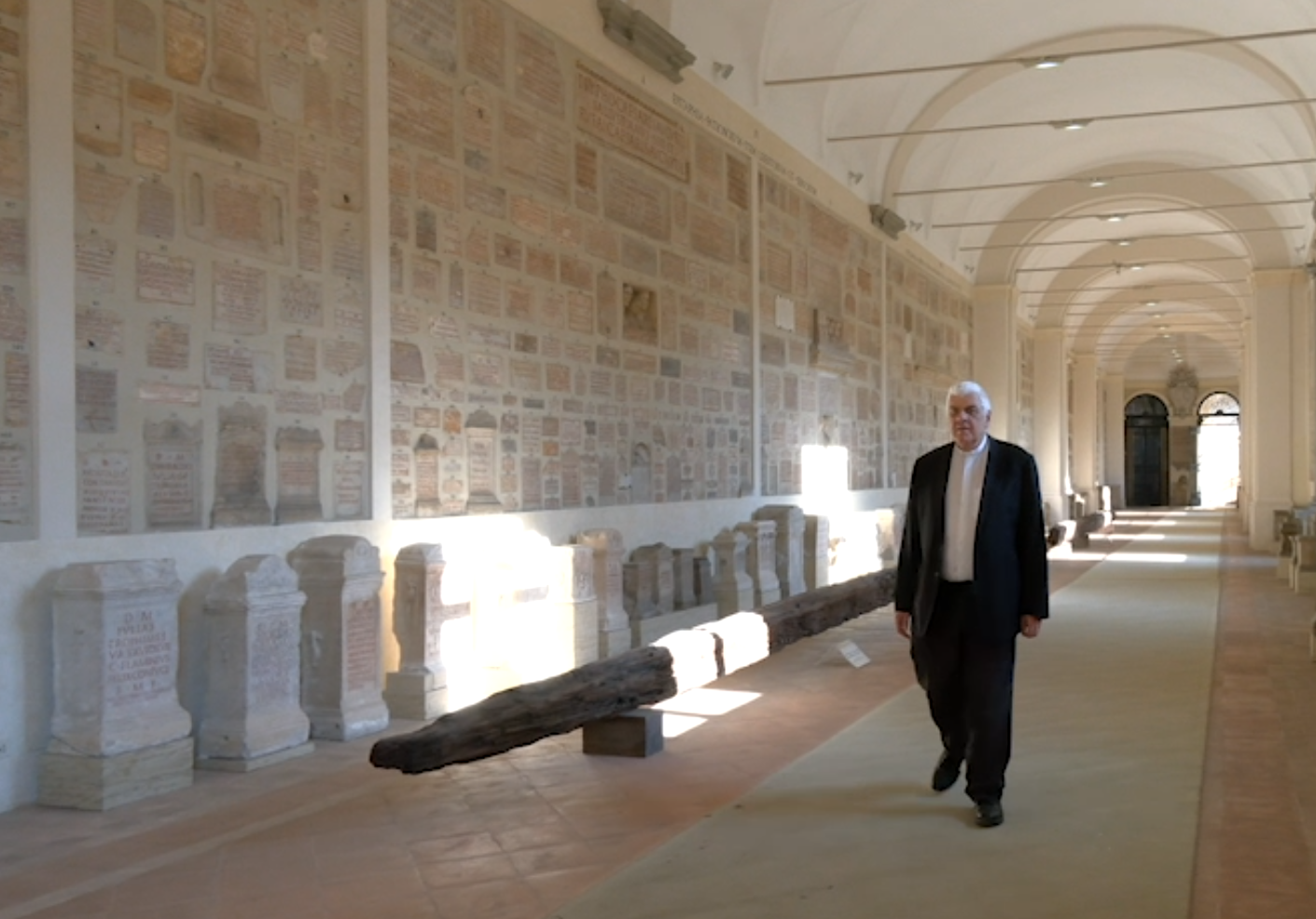
MONS. GUILLAUME DERVILLE
Director of Fontblin Priests' Center, France
Now that the law has been enacted, and since the law's enactment, there's sadness and concern, but also gratitude toward the many people who fought for vulnerable life. Every life deserves respect and care. There is sadness because this law deeply undermines the foundations of France's social covenant and vision of fraternity, “fraternité,” embodied in the national motto.
Bishops argue that the law fundamentally changes the mission of medicine, which they say is to relieve suffering and accompany patients to the natural end of life.
MONS. GUILLAUME DERVILLE
Director of Fontblin Priests' Center, France
What our society needs is not help to die, but help to live, says the Archbishop of Paris. If there is still one freedom left to be won, it's the freedom not to be pushed towards death, but to receive every possible form of care without resorting to therapuetic obstinacy. If there is still one right left to recognize, it's the right to be treated as a living person with a unique story and an inalienable dignity until life's natural end.
One of the most important arguments and central themes of the bishops’ statement is that France still has significant shortcomings in palliative care, adding that before legalizing euthanasia, access to such care should be guaranteed.
The passing of this law occurs just two months before Pope Leo XIV's trip to France in September. The visits' official theme is “that the world may have life.”
MONS. GUILLAUME DERVILLE
Director of Fontblin Priests' Center, France
You could say that this motto, chosen by Pope Leo XIV for his trip, is an eloquent response to what has just happened in France: an inhumane act that has shocked many people. In particular, it has left nurses, doctors and pharmacists in a state of shock and sadness.
Pharmacists specifically have grouped together and spoken out.
Against this backdrop, the pope’s visit carries a special significance for a Church that responds to suffering by offering care, compassion, and dignity: not by shortening life.