Carmen Álvarez Cuadrado
You’ve probably heard of Lebanon’s Maronite Church, Ukraine’s Greek Catholic Church, Egypt’s Coptic Church, and Iraq’s Chaldean Church.
They are four of the 23 ancient churches of the Middle East, Eastern Europe, Asia, and Africa. Over time, these churches preserved their own languages, cultures, and rites.
But they are not outside the Catholic Church. Quite the opposite. They belong to it and are in full communion with the pope, who is the highest authority for them all.
Each one is organized around a synod: the governing body which makes decisions on Church law collectively. In fact, the assembly itself elects the bishops, always with the pope’s consent.
And that brings us to the issue at hand. The bishops also elect their leader: the patriarch. But what happens if he comes into conflict with his bishops, or refuses to resign when they ask him to step down for serious reasons?
Until now, nothing could be done, There was a legal gap in the rules governing the patriarch, and that could bring the process to a standstill.
For example, if the patriarch did not want to answer to his fellow bishops, he could simply refuse to call a meeting. That meant the Vatican had to step in.
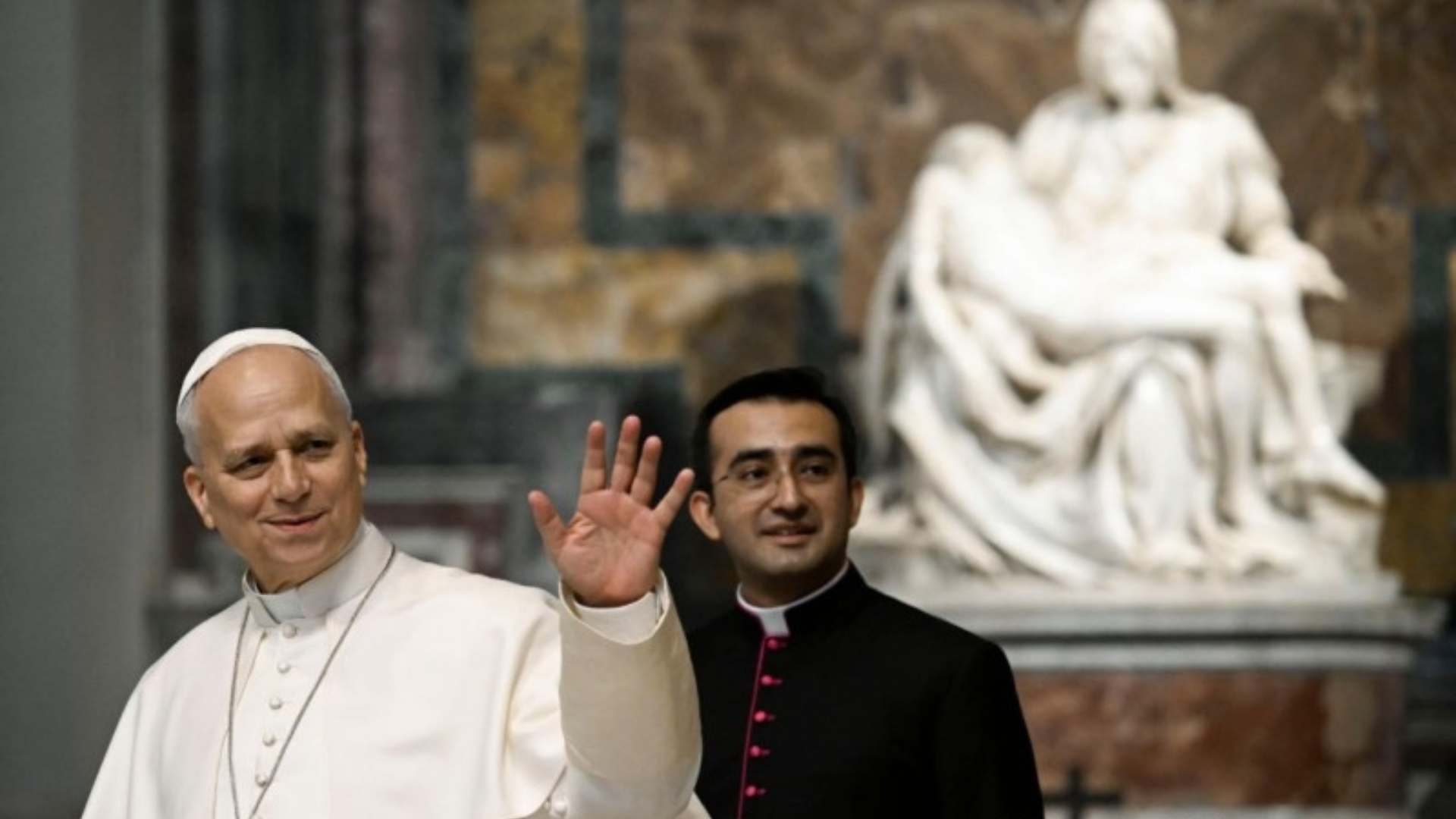
Pope Leo XIV has now reformed the canon law governing these churches and effectively closed that legal gap. This was something many bishops had called for to prevent untenable situations.
That is why the pope has issued a motu proprio modifying several provisions to give all the bishops greater authority and autonomy. So what does that mean?
It means bishops will no longer need the patriarch to call a synod. They can do it themselves and vote to remove him if at least two thirds agree. After that, they must seek the pope’s approval, and only if he authorizes it will the patriarch be removed.
It is a document with an ecumenical touch. By giving local bishops greater collective authority, the pope is embracing the decentralized approach of the Orthodox Churches. A small gesture toward unity, in keeping with Pope Leo XIV’s pontificate.