Question from Xavier Le Normand, Le Pèlerin:
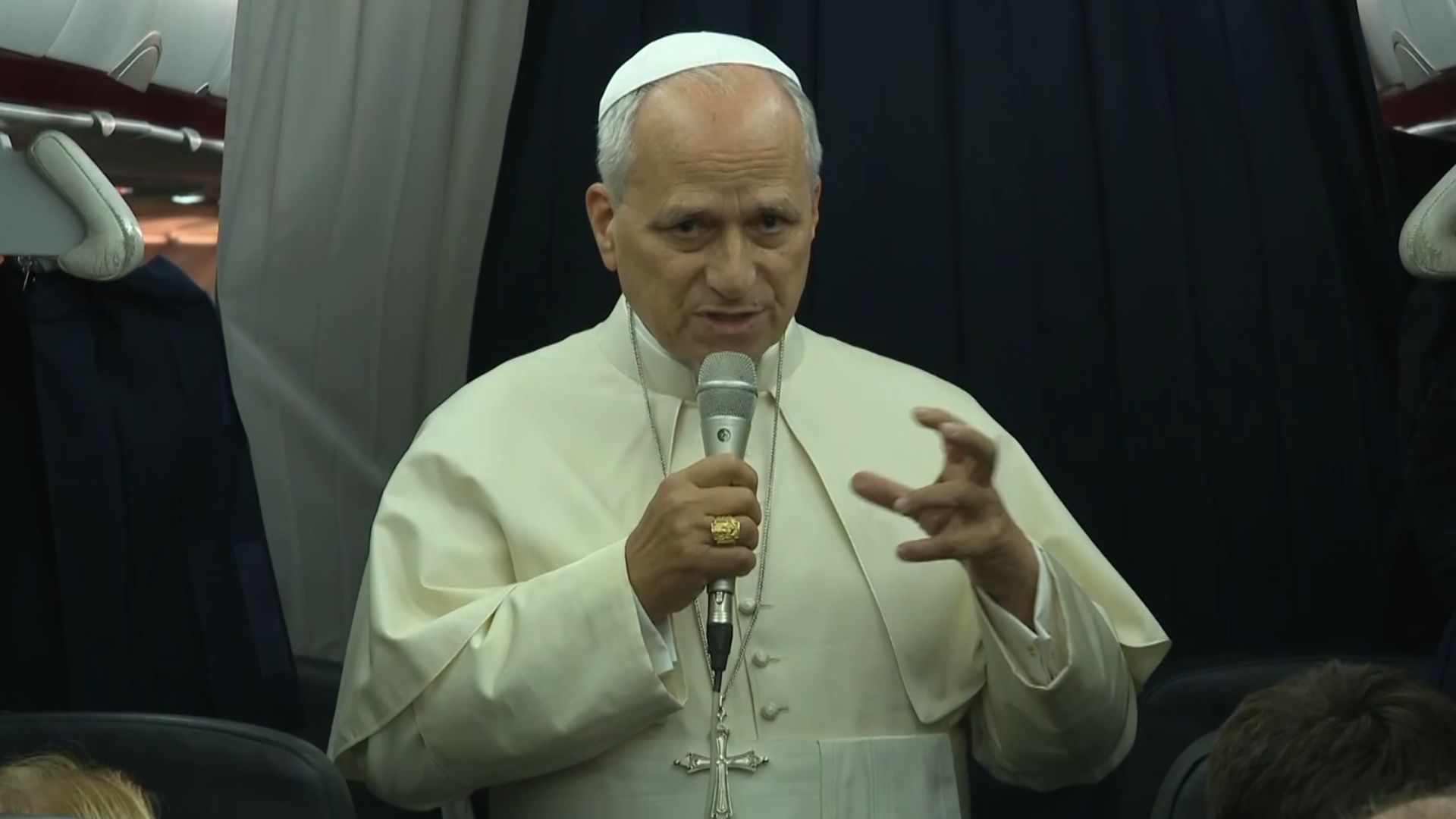
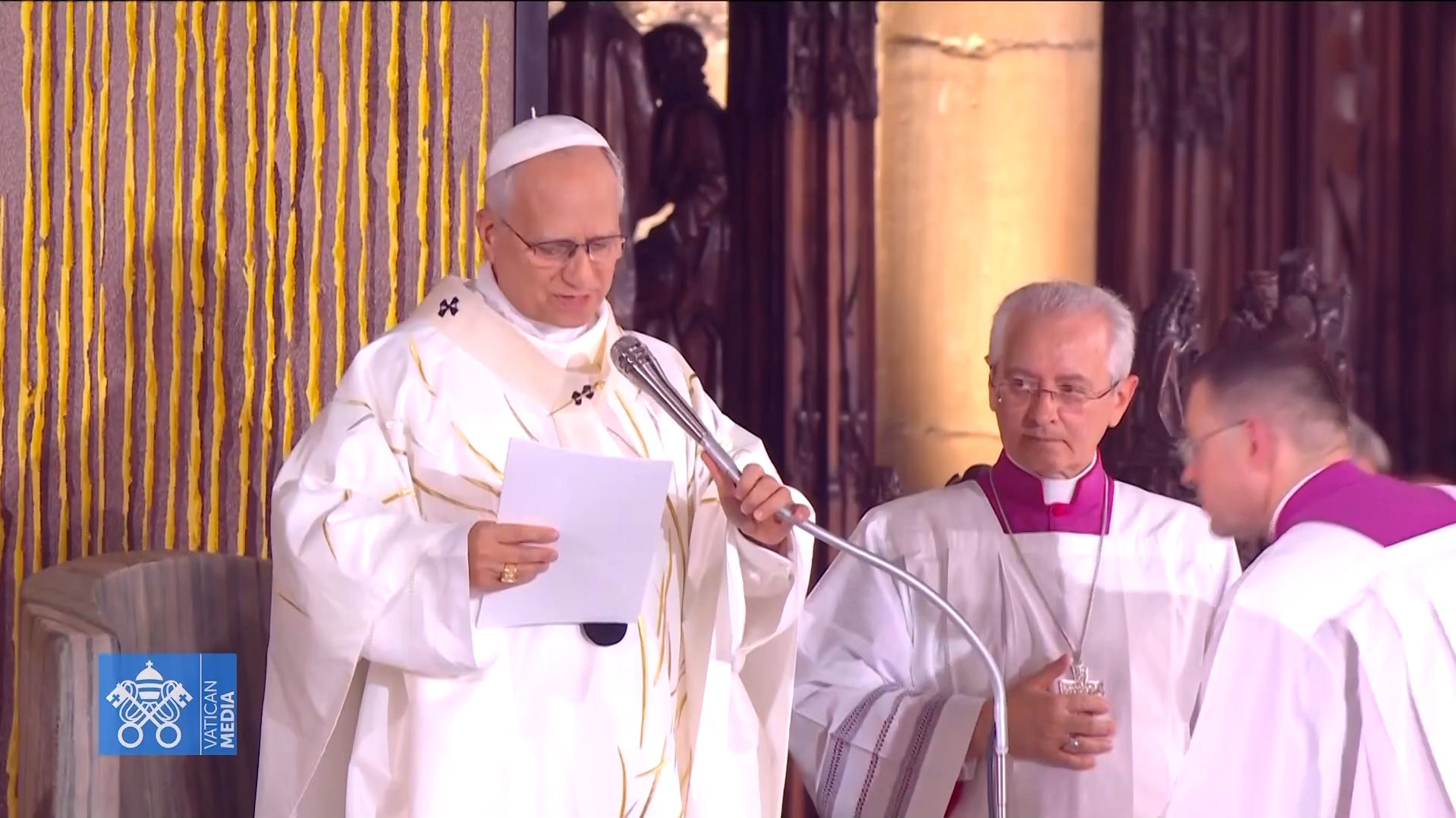
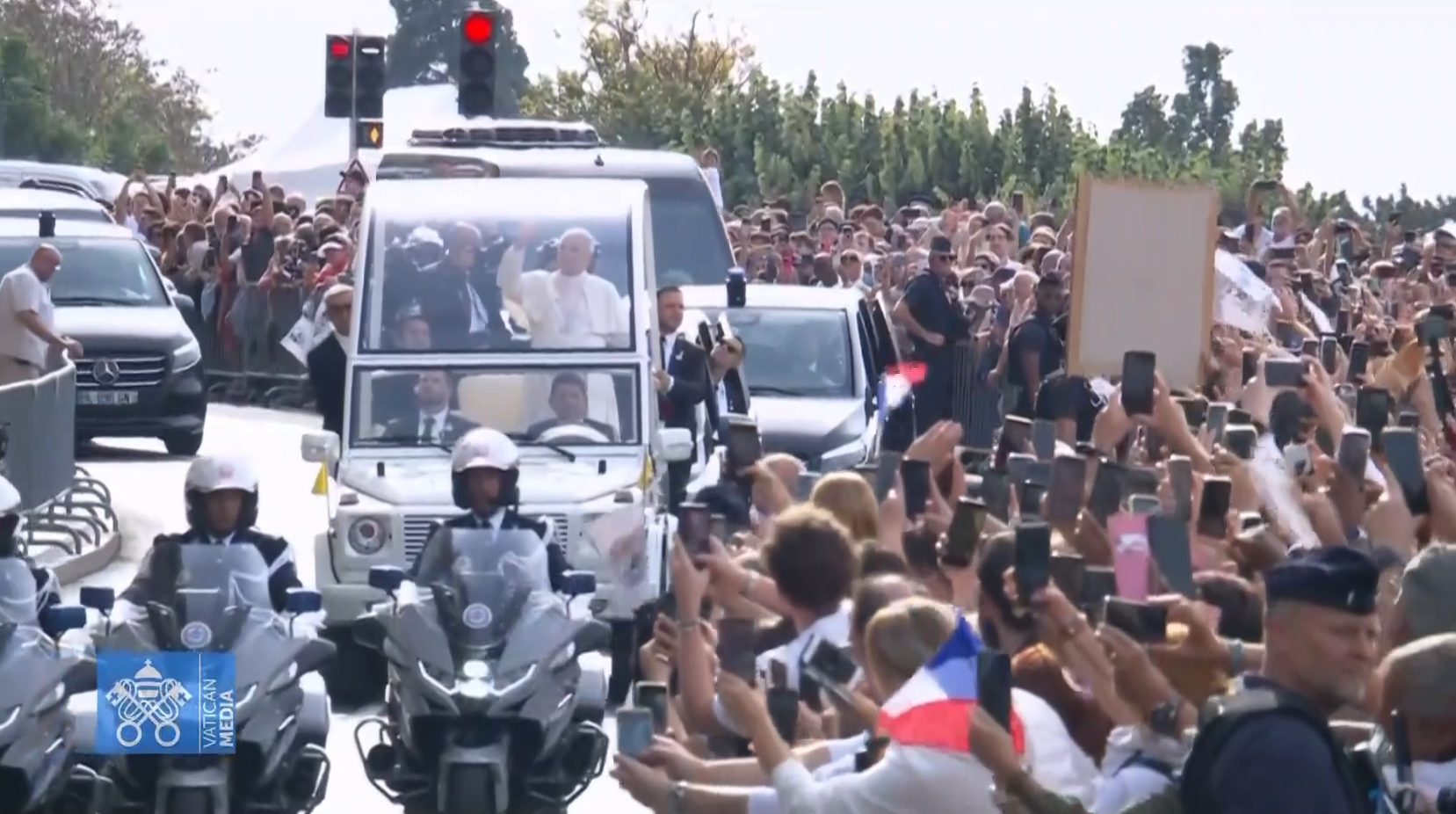
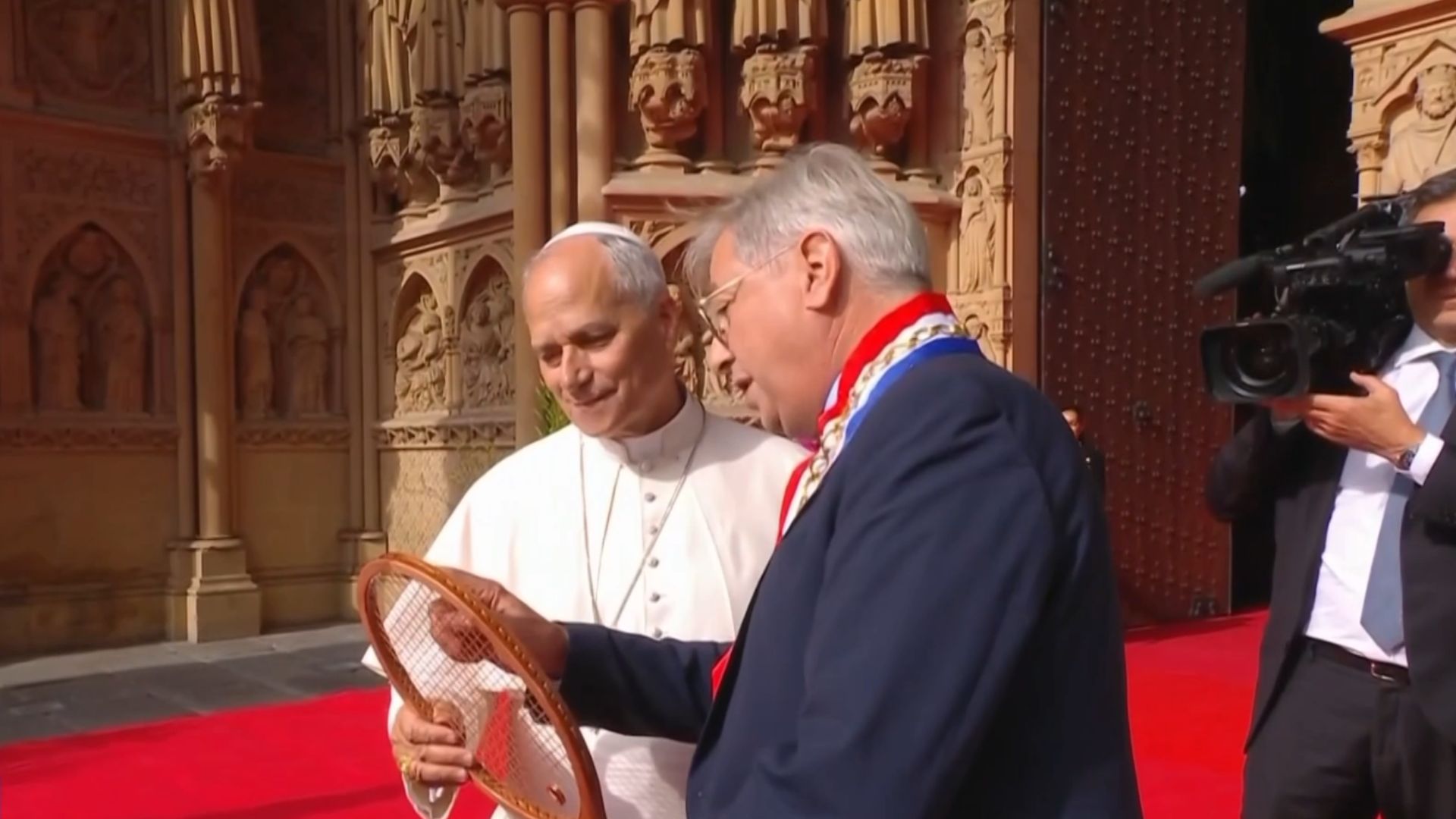
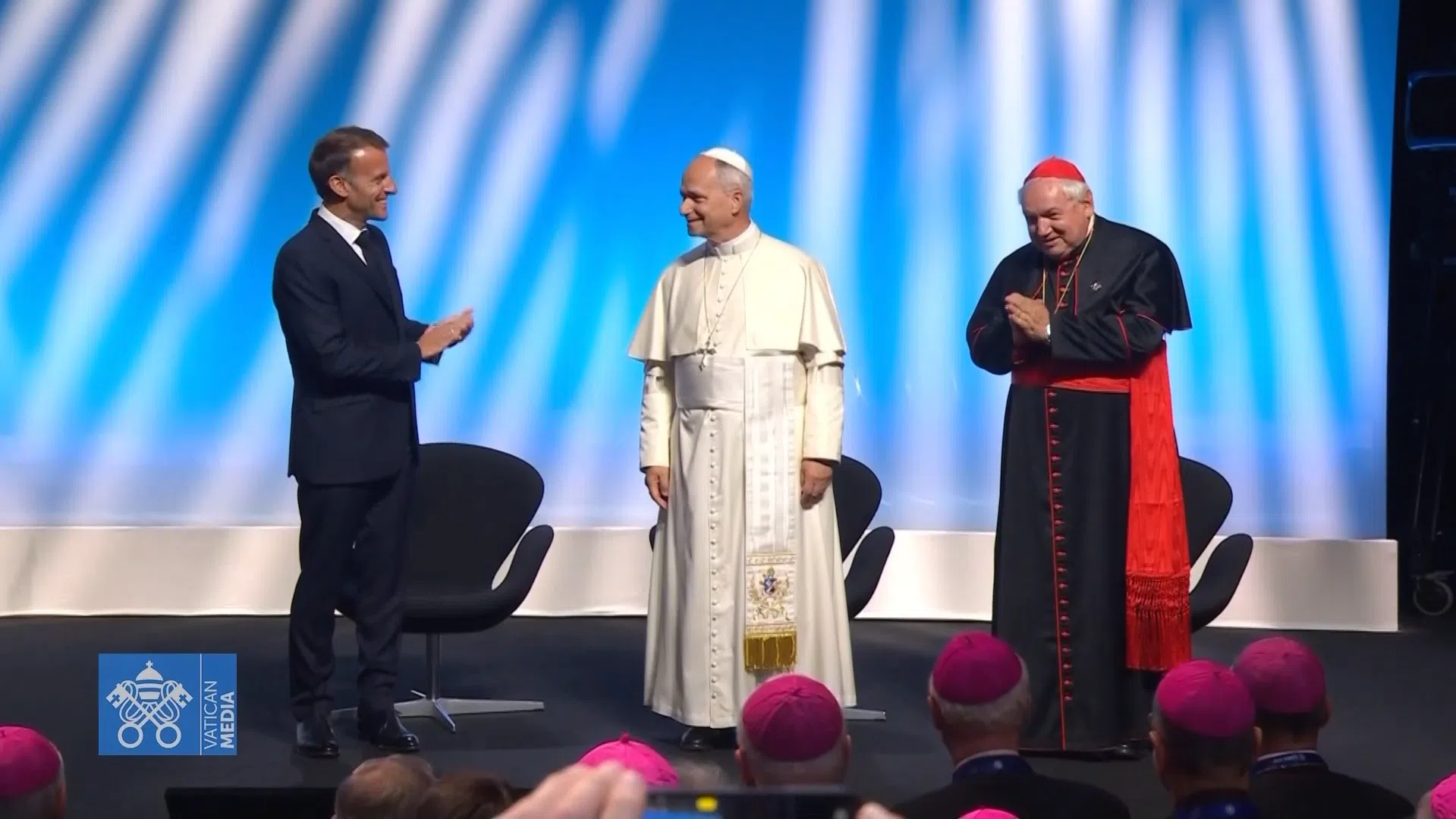
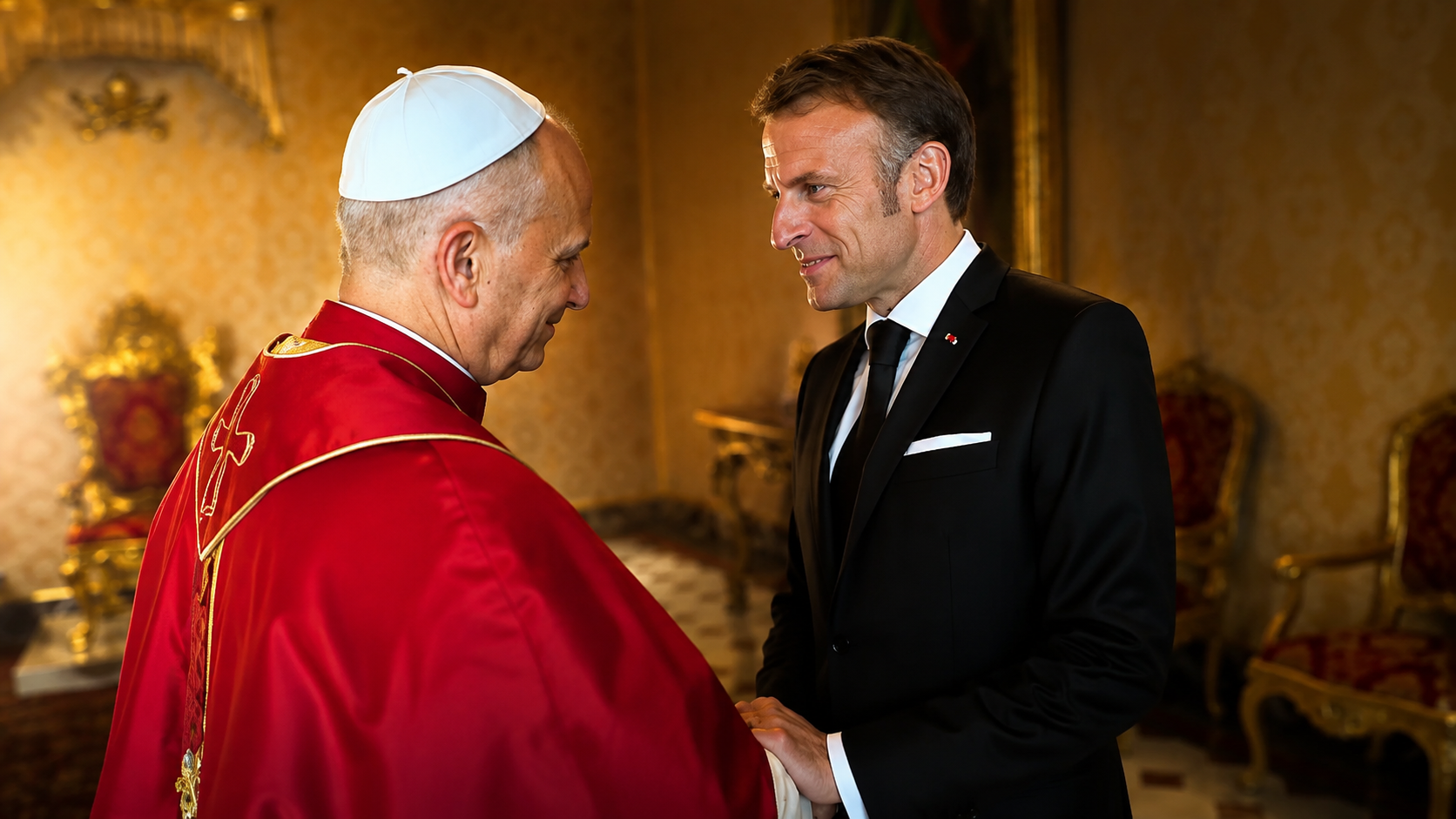
Your Holiness, good evening. First of all, I would like to thank you for your Apostolic Journey to France. For four days, our country was swept up in the widespread enthusiasm sparked by your visit—which, in France, is quite a feat. Thank you, Your Holiness. I will continue with my question in English. The motto of your Apostolic Journey was that the world may have life. The topic of end-of-life care came up repeatedly in your speeches. Actually, I think you mentioned it in more than half of your speeches in France. I'm thinking in particular of the one in the Élysée Palace and yesterday in Lourdes when you say that what is legal is not necessarily moral, which was a clear reference to the recent legalization of euthanasia in France. In France, we also have this principle of "laicité," which is a separation between religion and politics. Do you think that when it's important, when the stakes are high, this border, this line should be crossed in the name of the primacy of conscience? And if so, did you cross that line?
Pope Leo XIV, in English:
Thank you for your question. I would say that the understanding that the Church has of a separation between Church and politics, or Church and State, that I didn't cross it. And I'd invite you to read or reread Magnifica Humanitas where I speak about the Social Doctrine of the Church in the first section, the first couple of chapters, and say that when the Church speaks about defending life, when it speaks about questions of Social Doctrine, we're not entering into politics, we're applying the Gospel to people's lives.
And they can be politicians, if you will, on the left or on the right, situations where they say “no, religion should only be in the private sphere.” Let people do what they want on their own, but that as a State we have to be separate. By the very fact that when I went to France, I went primarily to preach the Gospel, to preach the Good News, to reaffirm what Jesus Christ Himself says when He says I am the way, the truth, and the life, so to speak the truth that Jesus offers us.
The defense of life is something that as you all know the Church teaches, believes very deeply. And so, on the one hand obviously knowing that in France the law was recently approved, in other countries in Europe as well, as other parts of the world there is a lot of debating going on about the questions of end-of-life issues.
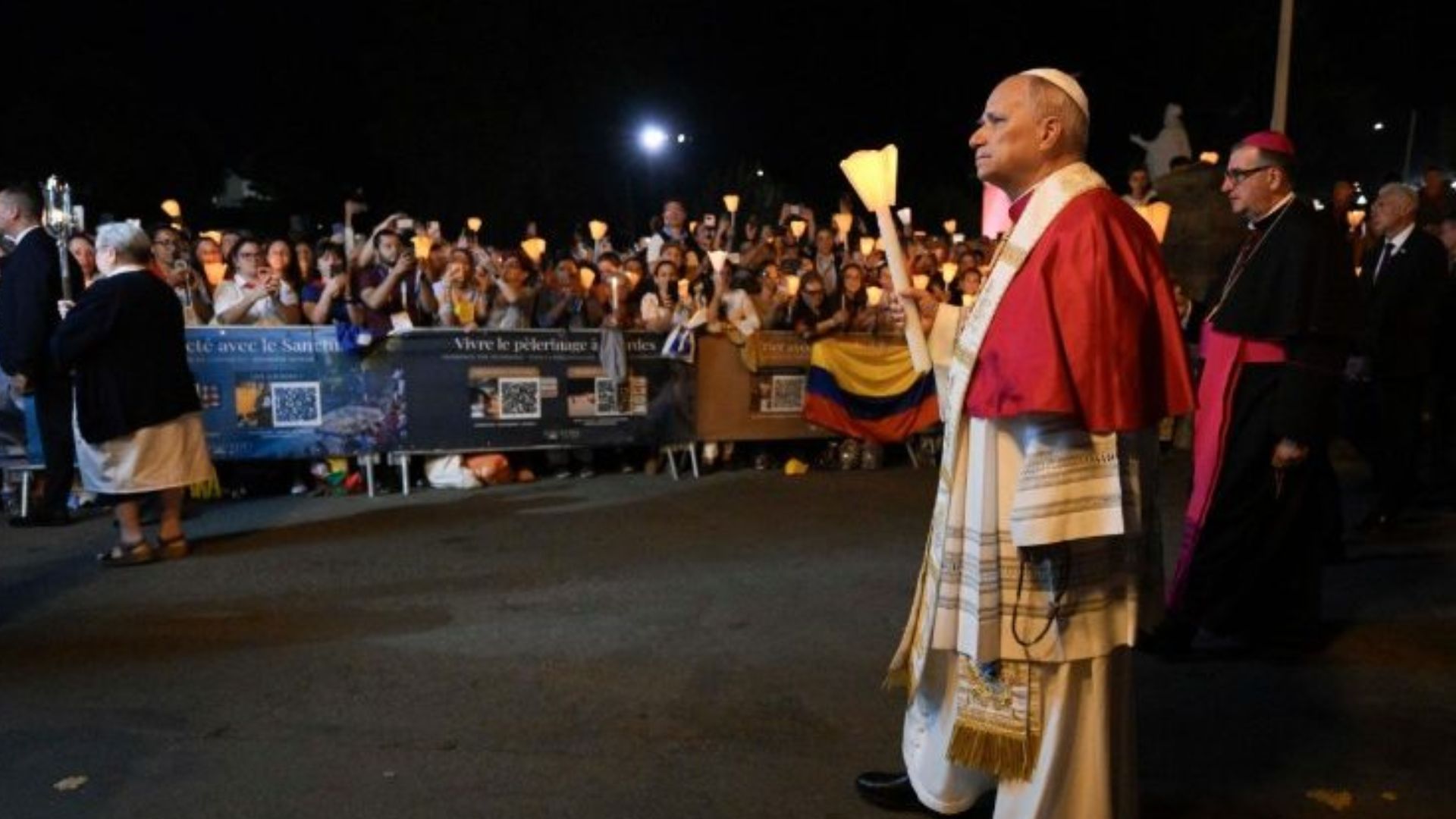
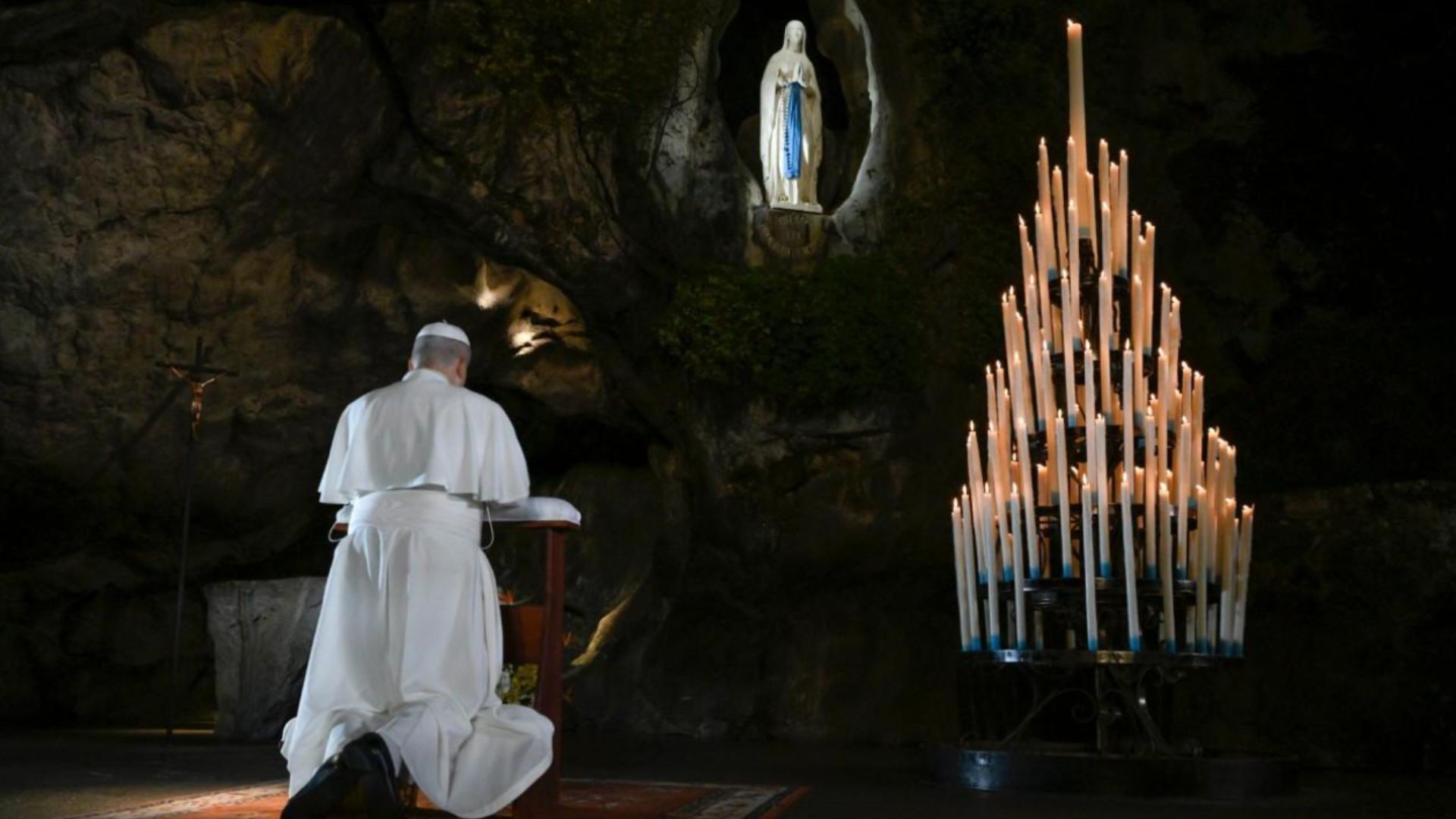
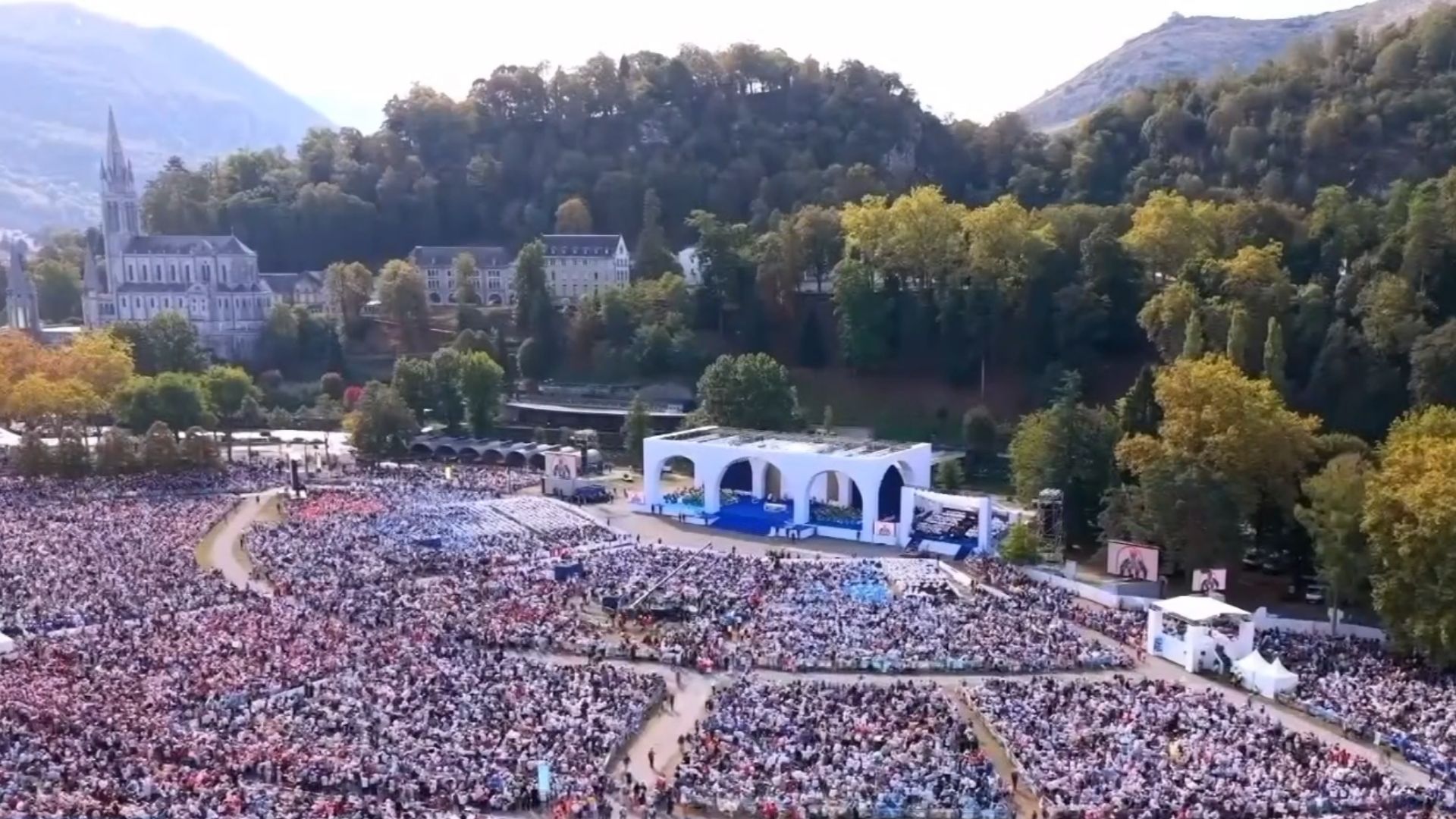
But being in a place especially like Lourdes where people are searching for something much deeper and understanding that their lives, even in the midst of sickness or disability or pain of different kinds, that their life has meaning. The Church, because of Jesus Himself, wants to be close to those people and to affirm the values that life itself I think holds for all of us.
So, I would say, if that's politics, I did that, but it was not to get involved in French politics. It was to teach what the Church really believes.