Daniel del Castillo González
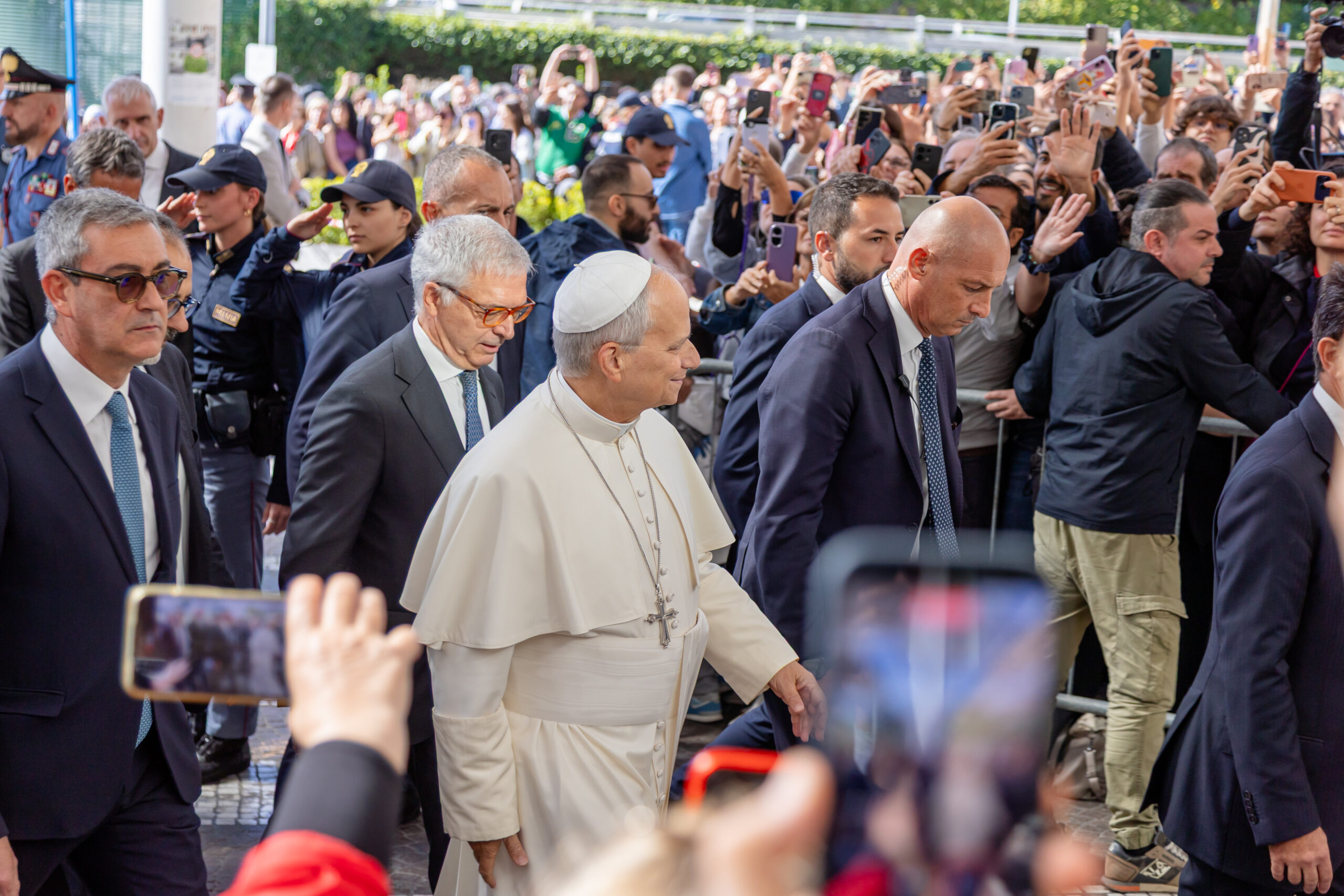
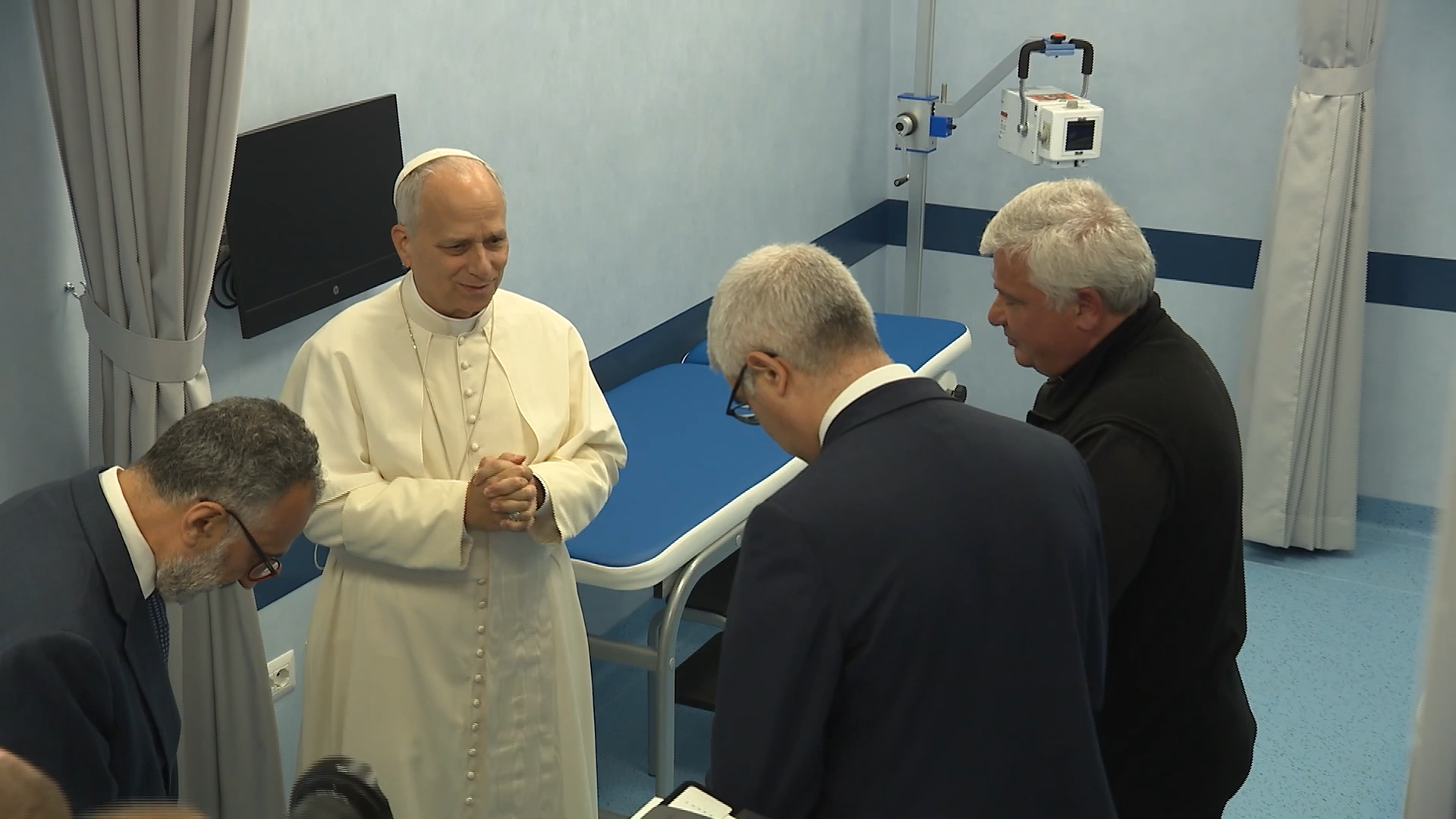
Pope Leo XIV is back on his feet, walking around his room at Gemelli Polyclinic, and has begun respiratory therapy.
Tests on Wednesday morning, October 14, including blood work and a chest X-ray, confirmed that his recovery following surgery is on track.
The pope is eating again and had a restful night. The surgery also established the diagnosis: the lung nodule doctors removed was a pulmonary adenocarcinoma.
MIGUEL FERNÁNDEZ DE SANMAMED
Oncologist, University of Navarra Cancer Center
Pulmonary adenocarcinoma is the most common form of lung cancer in our population. It is also the type most often found in nonsmokers, though it can develop in people who have smoked as well.
One of the difficulties with this tumor is that it can remain undetected in the early stages. For Pope Leo XIV, however, the nodule was caught early.
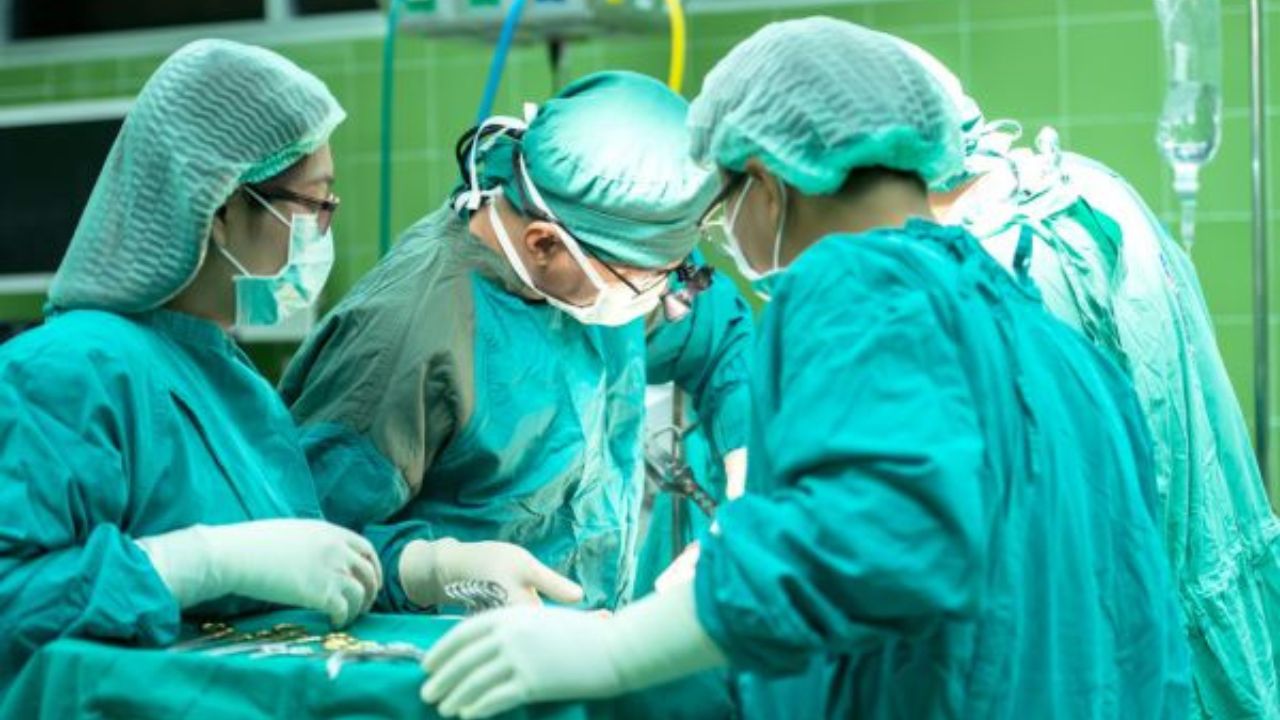
Surgeons removed the lower lobe of his right lung in a procedure that lasted about 90 minutes and ended without complications.
Now doctors must establish the tumor’s specific characteristics and determine how far it has spread, if at all, beyond the lung to the lymph nodes or other organs.
MIGUEL FERNÁNDEZ DE SANMAMED
Oncologist, University of Navarra Cancer Center
The next step is to determine the extent of the disease and whether the pulmonary adenocarcinoma is localized or locally advanced. In those cases, treatment would be surgery or radiation therapy aimed at curing the disease. If the cancer has spread, which we call metastasis, treatment would rely primarily on intravenous or oral therapies, including chemo-immunotherapy or targeted treatments directed at the tumor’s molecular markers.
Prevost also experienced a significant hospitalization in 1985, when he was treated for typhoid fever in Peru.
The diagnosis is now clear. What remains is to identify the tumor’s precise molecular profile and determine the most appropriate treatment for Pope Leo XIV.