James O'Reilly
The Vatican Observatory has recently discovered four new asteroids through its telescope on Mount Graham, located in the state of Arizona.
Which is why the Observatory announced the names of each of the asteroids this past April, but the announcement included a special surprise:
GFX
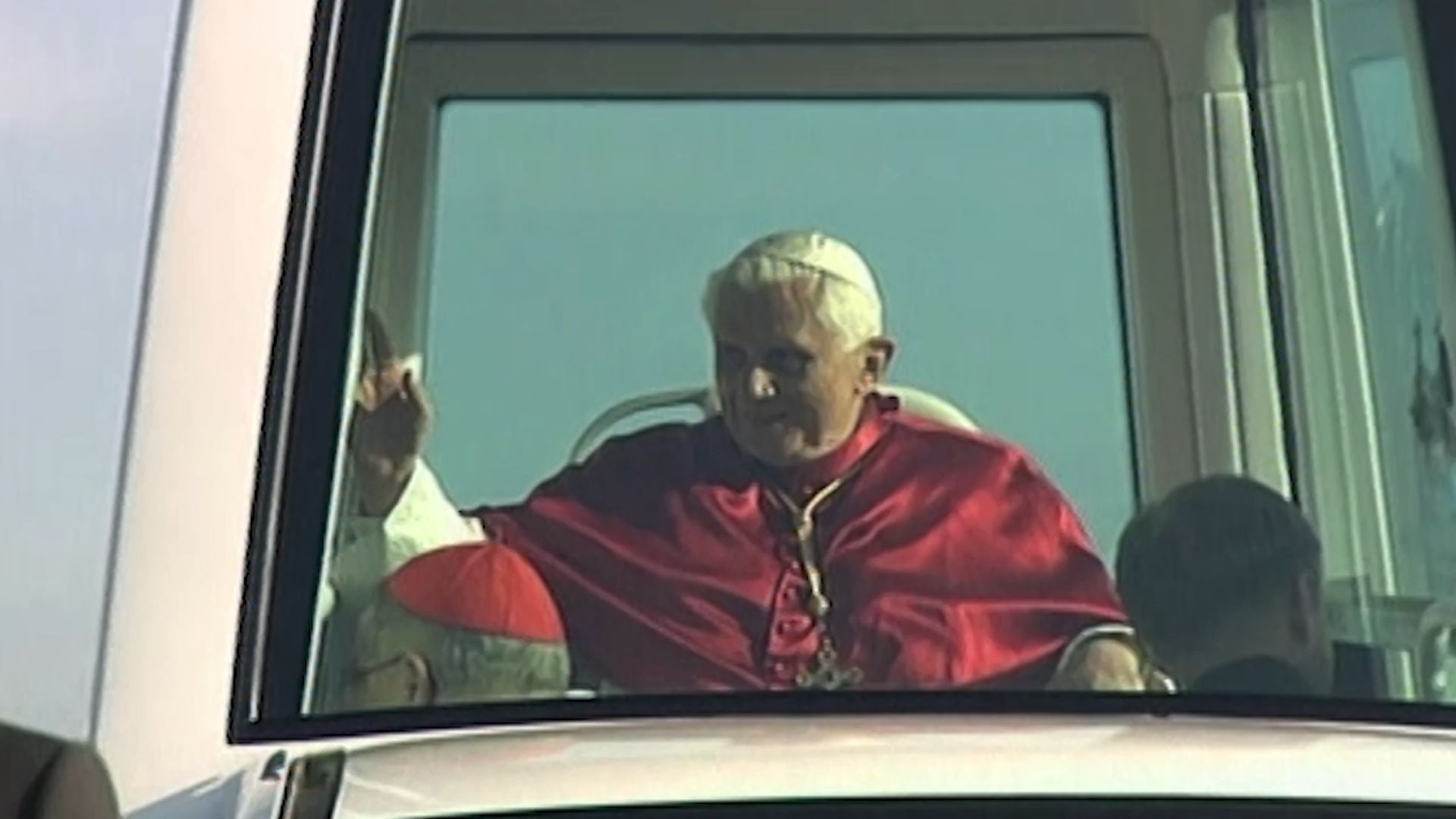
The Vatican Observatory is pleased to announce that four asteroids have been named after important figures in the history of the Observatory, including Pope Leo XIII, who refounded the Observatory in 1891.
But the asteroid is not exactly called 'Leo XIII'. It was instead named 'Gioacchinopecci,' which is a compound of the pope's baptismal, Italian name—Gioacchino Pecci.
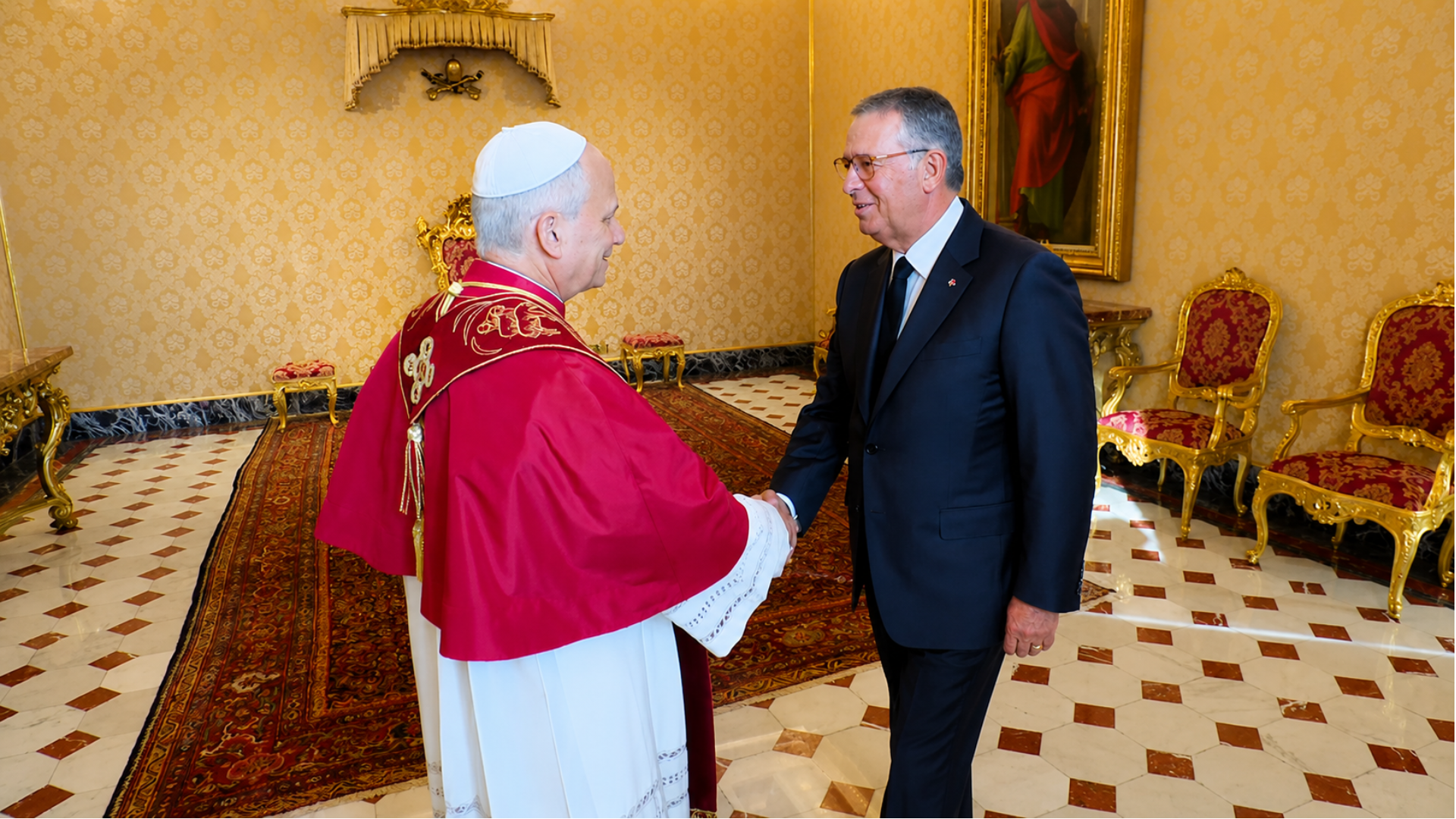
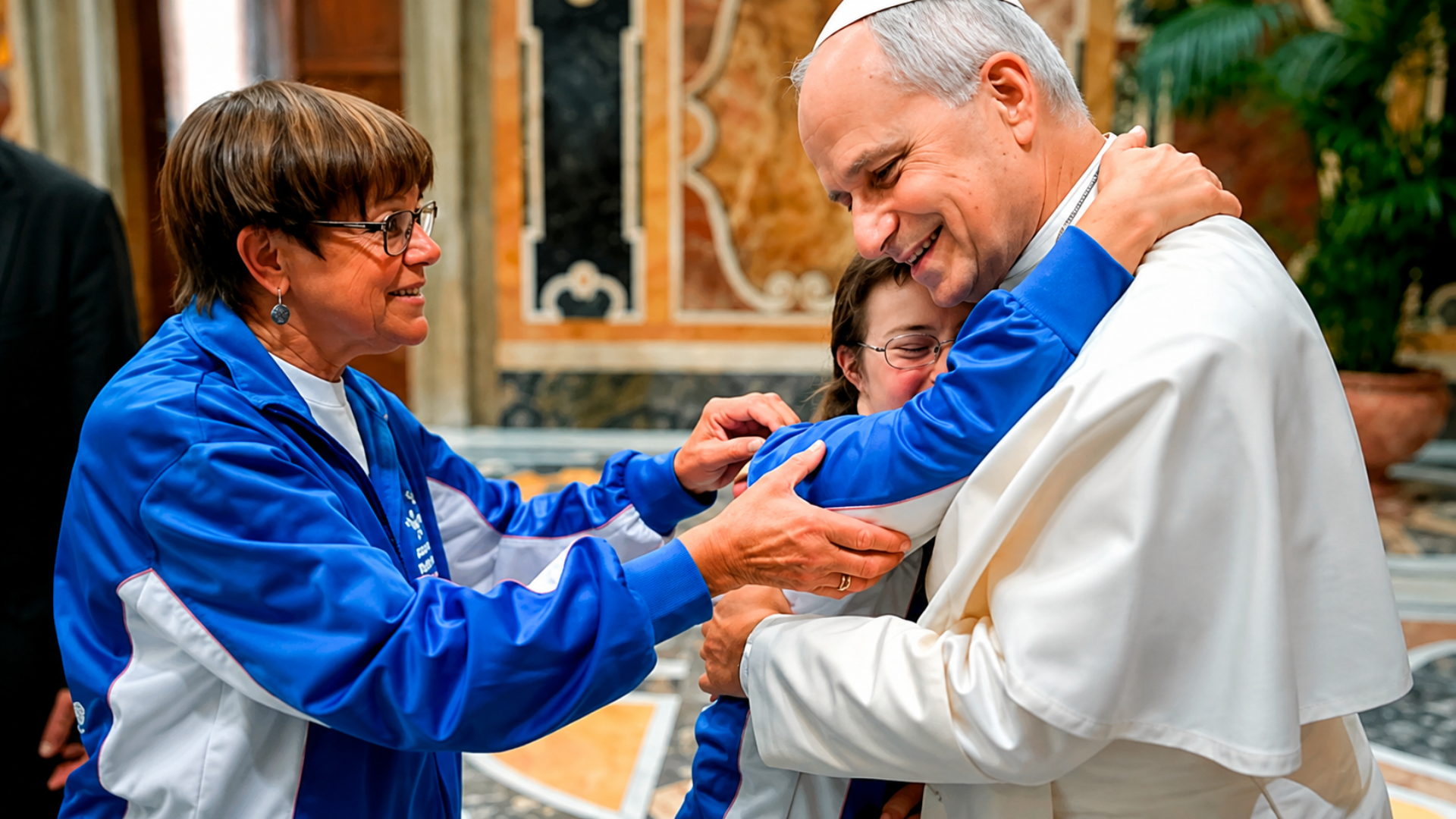
Refounded by Pope Leo XIII in 1891, members of this premier Catholic institute of astronomy met with his successor Pope Leo XIV in a private audience.
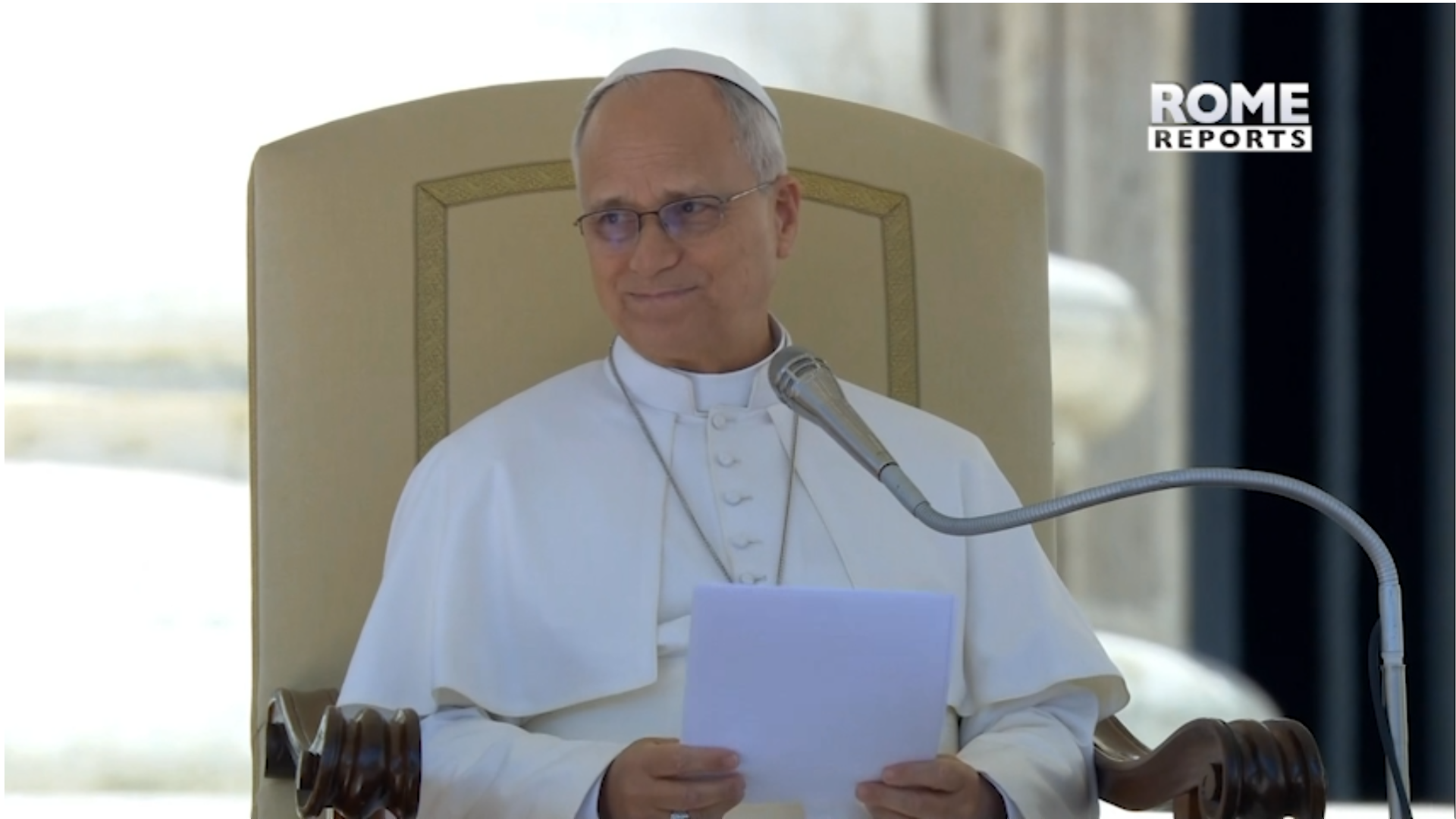
POPE LEO XIV
Your commitment enables the Vatican's scientists to engage meaningfully with the wider public and with the global scientific community. Your generosity makes it possible for the Vatican Observatory to share the wonder of astronomy with students from across the world and to offer workshops and summer schools to those serving in Catholic schools and parishes.
The Vatican Observatory was reestablished by Pope Leo XIII after the loss of the papal states in 1870. The original observatory was based right in Rome inside the Vatican.
But due to light pollution from the growing use of electricity, the observatory was moved from the Vatican to Castel Gandolfo in the 1930s. Then, for the same reasons, the Vatican built its newest observatory in Arizona in the 1990s.
Catholics believe Christ made St. Peter and his successors 'the rock' of his Church—why not name some space rocks after his successors?