Ana Torres Fonseca
Rome’s Tiber Island is one of the most intriguing places in the Eternal City: in the middle of the river stands an urban island shaped like a stone ship sailing along.
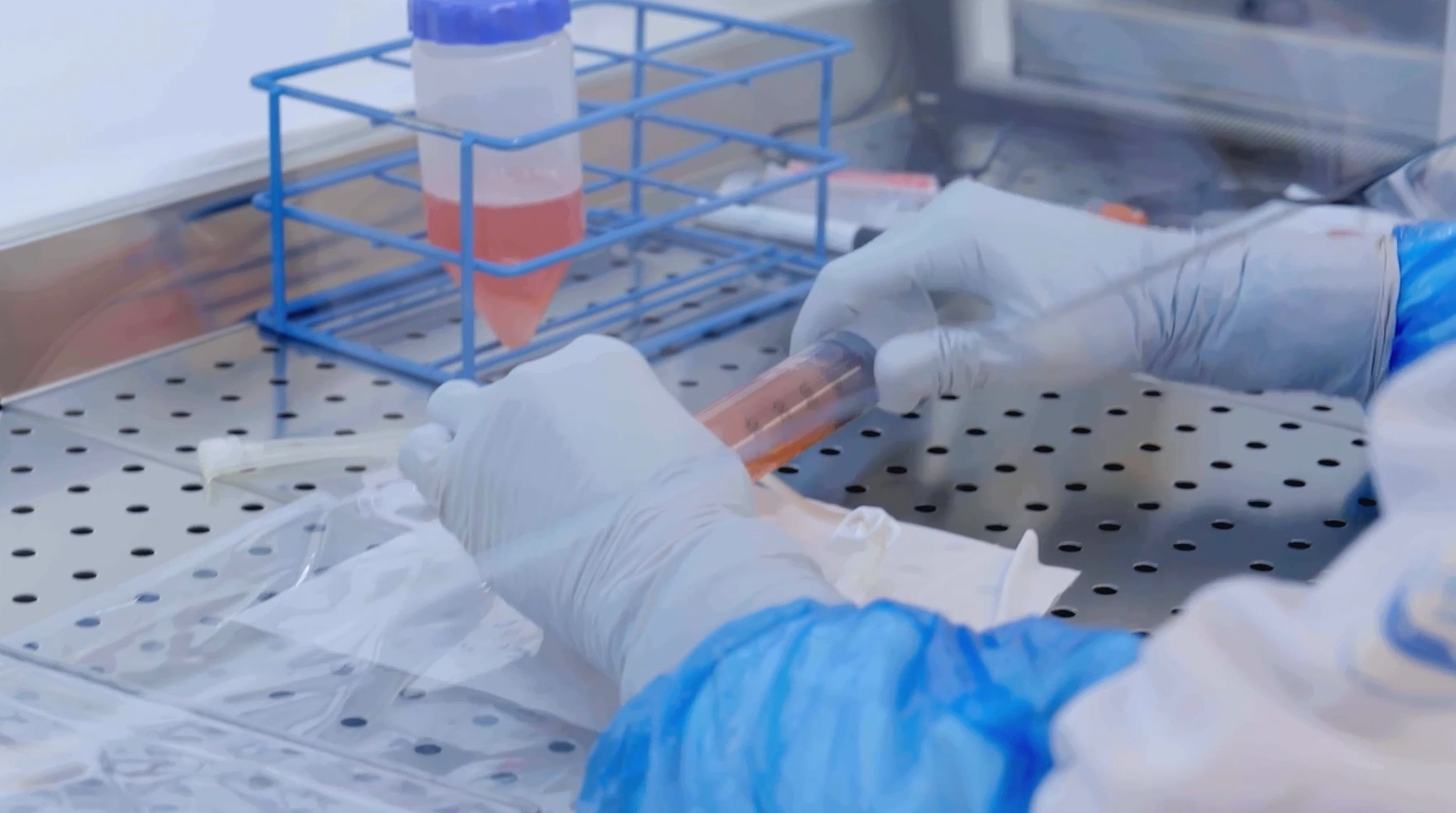
Within that isle, a hospital has been working for four years to bring culture closer to cancer and radiotherapy patients:
DR. VINCENZO VALENTINI
Director, Center for Therapeutic Oncology
We started programs so patients could enjoy works of art on the screens of the rooms where they receive radiotherapy, either on screens in the treatment areas where they undergo radiotherapy or via headsets, or they can attend specially arranged visits to museums where guides lead them on engagement tours
This initiative is not intended simply to provide patients with entertainment, but because the therapeutic results enhance the treatment they are undergoing
DR. VINCENZO VALENTINI
Director, Center for Therapeutic Oncology
The gratitude that patients have expressed to us for the care we have shown them has prompted us to take the next step, which is to investigate whether using art in an increasingly inclusive and engaging way might also have an impact on the effectiveness of treatment itself.
It was the author of 'Crime and Punishment', the Russian writer Dostoevsky, who stated that “Beauty will save the world” and Professor Valentini points out that the motivation provided by observing it is fundamental for the recovery of those assisted.
DR. VINCENZO VALENTINI
Director, Center for Therapeutic Oncology
Art helps, through beauty, to find motivation to understand what happened and write that new page again. That is why we have understood that art is a form of therapeutic care.
According to the Director of the Cancer Centre, taking part in these activities brings benefits not only in terms of physical fitness, but also in terms of the patients’ attitudes. Many develop a new perspective on their illnesses.
DR. VINCENZO VALENTINI
Director, Center for Therapeutic Oncology
Some patients told us: “Professor, the disease is hard, the treatment is hard, but my glasses have been cleaned and now I see what really matters in life.”
That-s why patients can learn about the battles fought in the Colosseum, the finest paintings in the Palazzo Colonna, or the various species of flowers and plants found in the famous Orange Garden in the Italian capital. And all without leaving the hospital.
But patients who are up to have the oppurtunity to go on private, educational tours.
DR. VINCENZO VALENTINI
Director, Center for Therapeutic Oncology
We are studying how to understand, according to the profile of each person, what type of art can be more beneficial.
There are people who are more emotional, others more rational, others more oriented to relationships. That is why we offer different forms of art: visual works, music, dance… because not everyone likes everything and customization may be necessary.
What is clear is that “receiving care in a beautiful place is better than receiving it in a place lacking in beauty”, or so they say at the centre. And this is certainly the case at the 16th century hospital founded by the Order of St John of God. Known widely as the ‘Fatebenefratelli’,—or literally, ‘do good, brothers’—they are living up to their name.