Ana Torres Fonseca
A recently proposed ban on social media use for children under 15 years old has sparked strong debates across France and Spain.
While the law has not yet been passed in Spain, it has already been approved in the French Parliament—starting in September 2026, children 15 years old or younger will not be able to access platforms like TikTok, Instagram, or Snapchat.
The purpose is to limit children's exposure to social media content and features that could be harmful—which is where AI comes in. Hardly random, these algorithms decide what posts to show and which content to prioritize for each user.
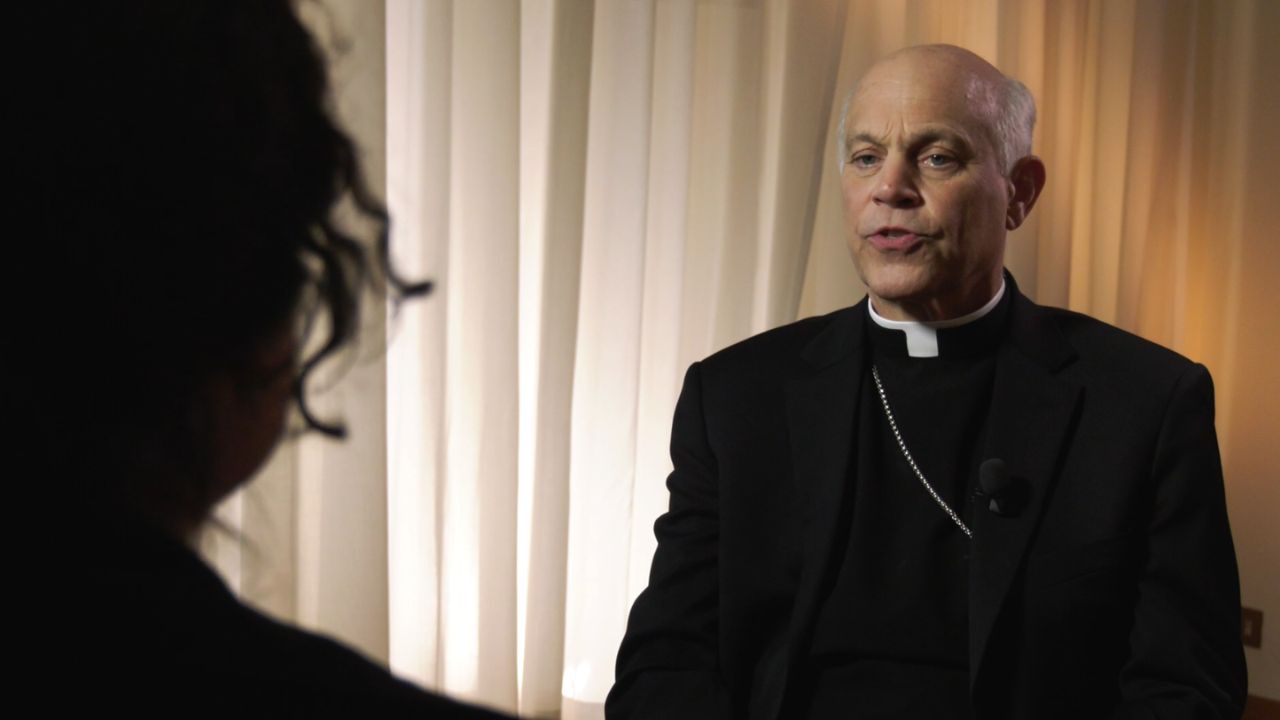
FR. ANTONIO CARRÓN
Professor at the Pontifical Gregorian University, Rome
I believe that, like any technology, artificial intelligence is neither good nor bad. It's us who make it good or bad, depending on how we use it...
And this broad societal issue is only getting bigger: according to the nonprofit organization Internet Watch Foundation, over 10,000 AI-generated images and videos depicting child sexual abuse alone were identified in the year 2025.
However, while AI has its pitfalls, it also has a dual purpose and it can work in the opposite way—to detect harmful or potentially sensitive content on social media.
FR. ANTONIO CARRÓN
Professor at the Pontifical Gregorian University, Rome
For example, if I post something on Instagram related to anorexia or suicide, a pop-up appears—a small window that has a warning message.
That's why Fr. Carrón argues that, to educate about AI, we need to teach about it, teach with it, and teach how to use it responsibly. We must understand what it offers, guiding children in their use of it, and....
FR. ANTONIO CARRÓN
Professor at the Pontifical Gregorian University, Rome
Today, people often talk about the concept of the centaur. Like the image of a creature that is half human, half horse: AI would form the base, while the thinking and decision-making part remains human.
We shouldn't forget a key factor: social media doesn't just help us connect with others, at least virtually, it also affects us emotionally. When we give a 'like,' we're performing a human gesture; our brains release dopamine, providing us with a constant sense of social validation, but without real community or human interaction.
FR. ANTONIO CARRÓN
Profesor at the Pontifical Gregorian University, Rome
Nowadays, almost all of the relationships we form in our daily lives also occur through technology--like messaging apps and social media.
The debate goes beyond the issue of whether to ban social media for minors—it is also about how to educate them in a world where they will grow up with AI whether one likes it or not. The real challenge is to teach its users how to use their judgement correctly, a difficult skill to teach.