Daniel del Castillo González
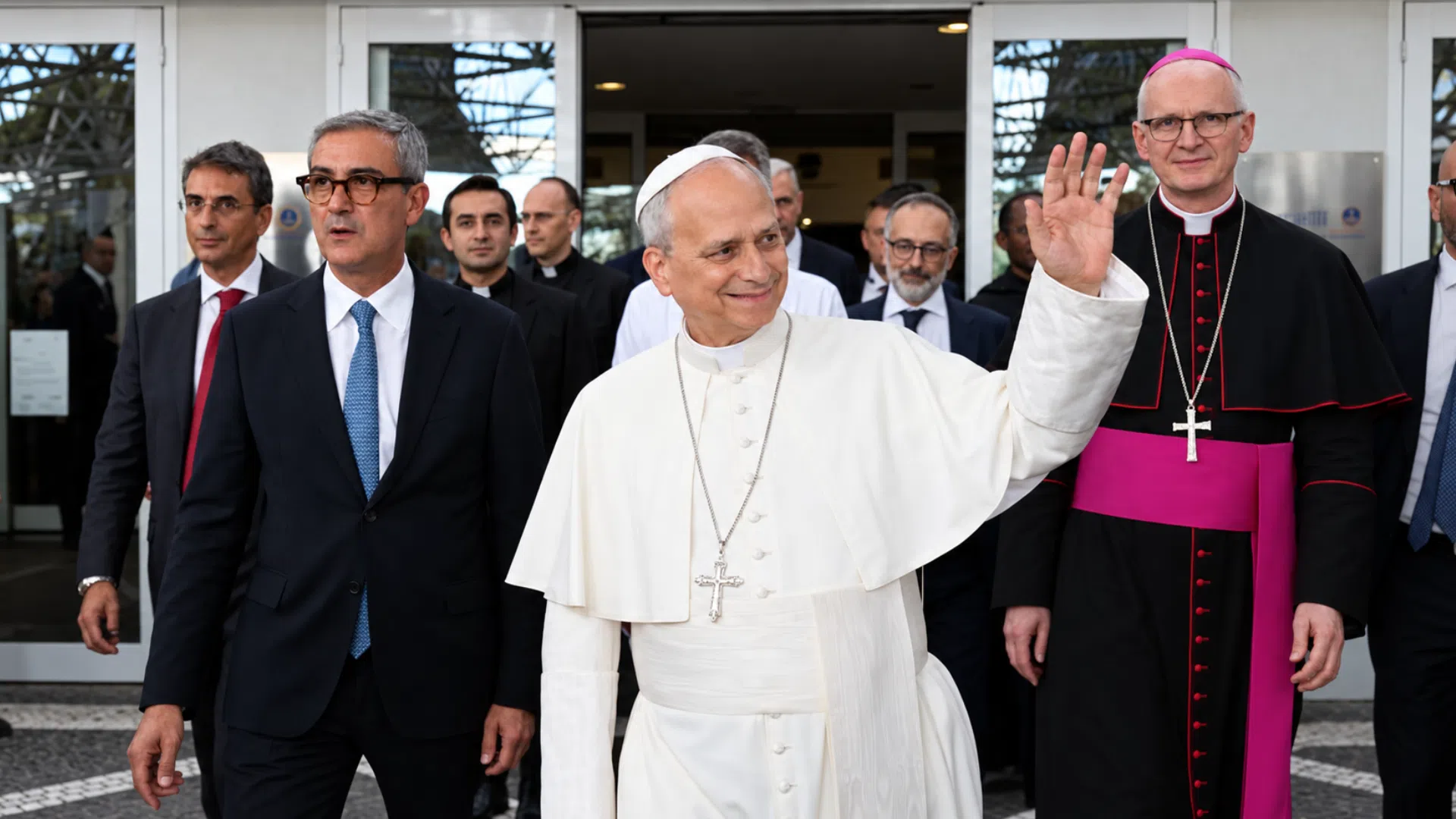
For the 4th of July, the United States' Independence Day, the first American-born pope went to Lampedusa.
As the front door of the Mediterranean, it is the most trafficked route for immigrants, in the last four years alone, 150,000 people have passed through.
On this pastoral visit, Pope Leo XIV followed in Pope Francis' footsteps who converted the island into a symbol of the immigration crisis.
To thank him for his work, Lampedusa named the Favaloro Dock the Francis Dock, which is where the humanitarian aid ships arrive.
POPE LEO XIV
“The fact that you chose to name the Favaloro Pier after Pope Francis is a sign of the bond that my predecessor forged with your community and with our migrant brothers and sisters. The Pope has stood by you during this very challenging time. And today I am here to tell you that the Pope continues to walk with you, to support you, and to encourage you.”
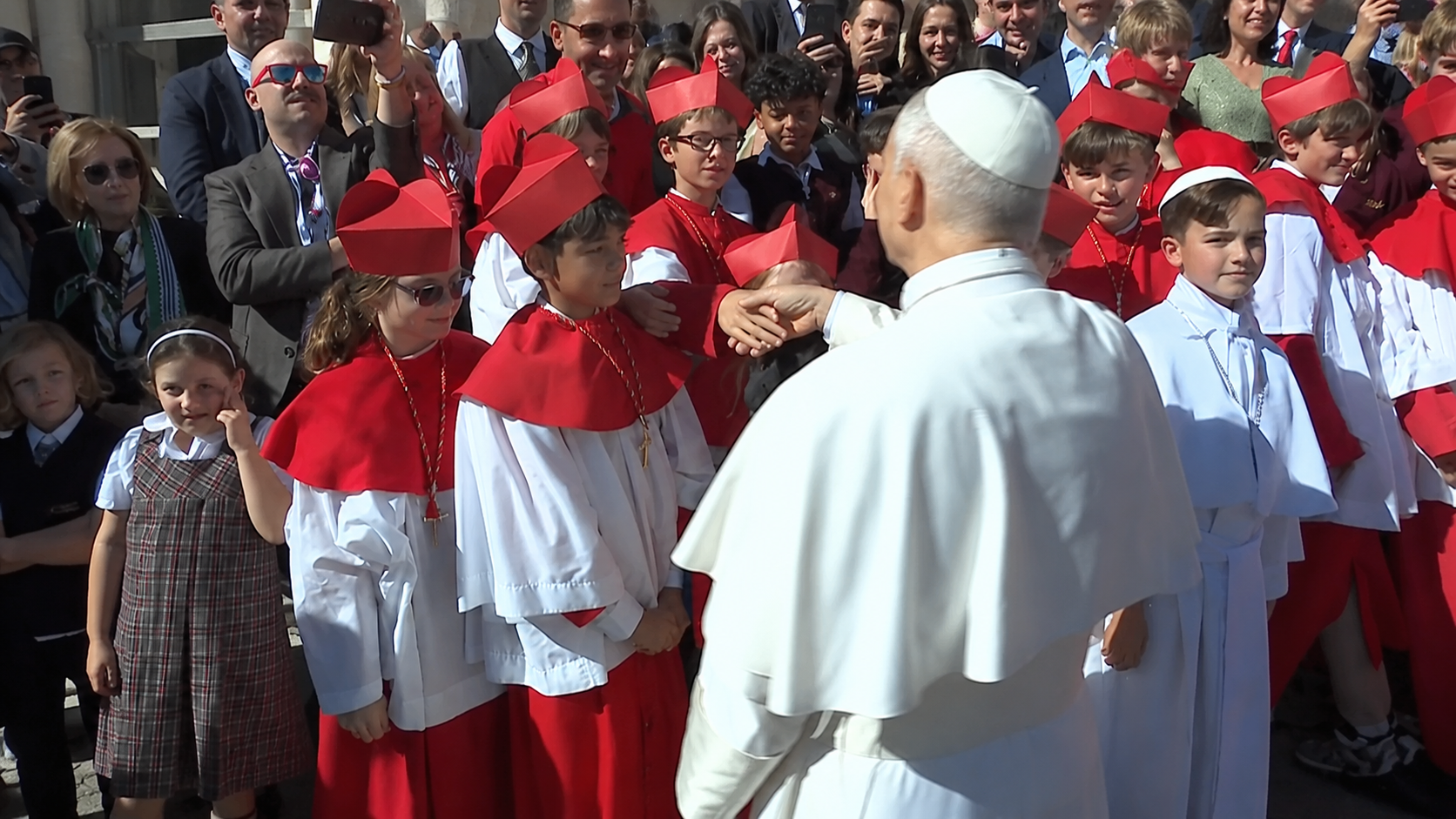
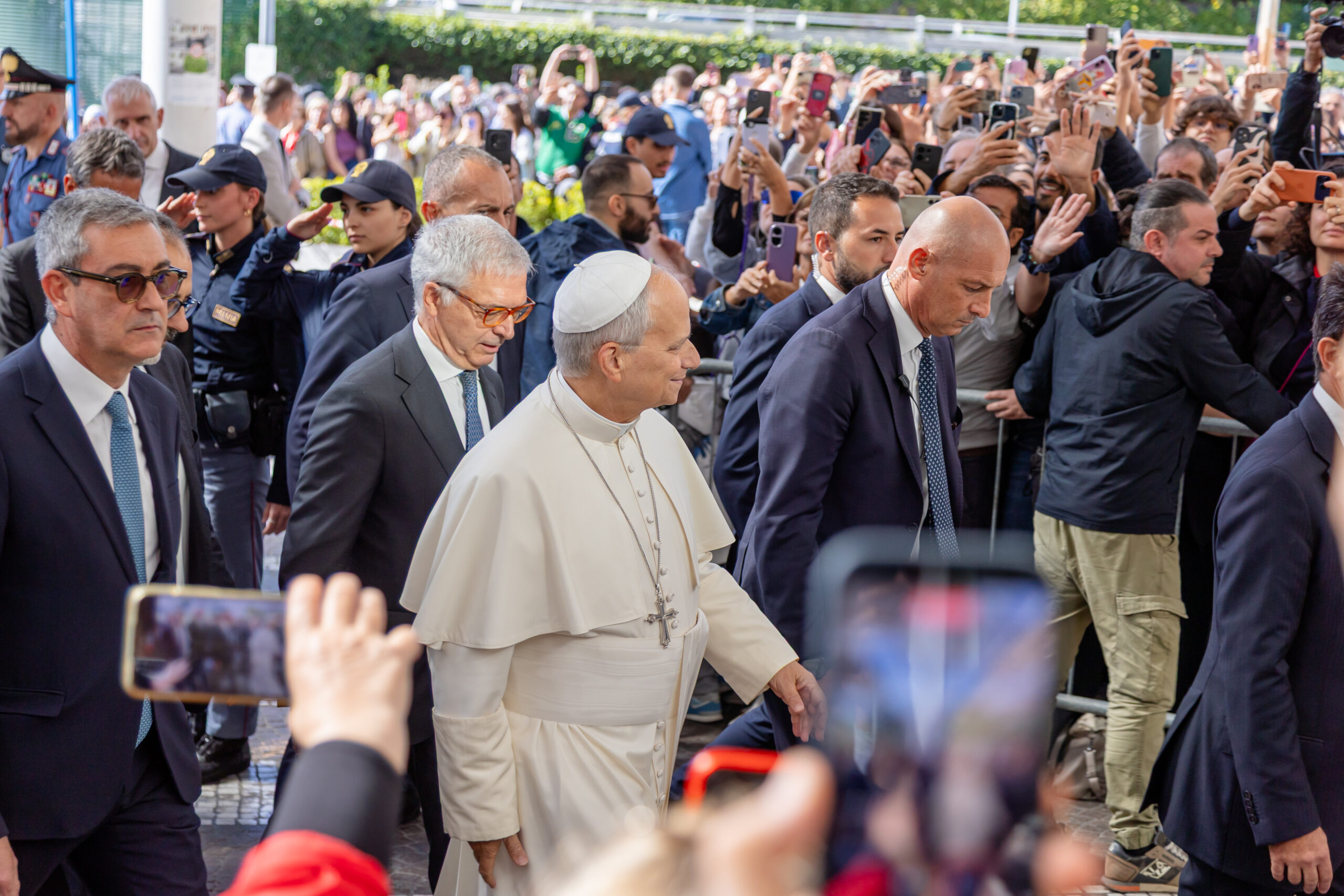
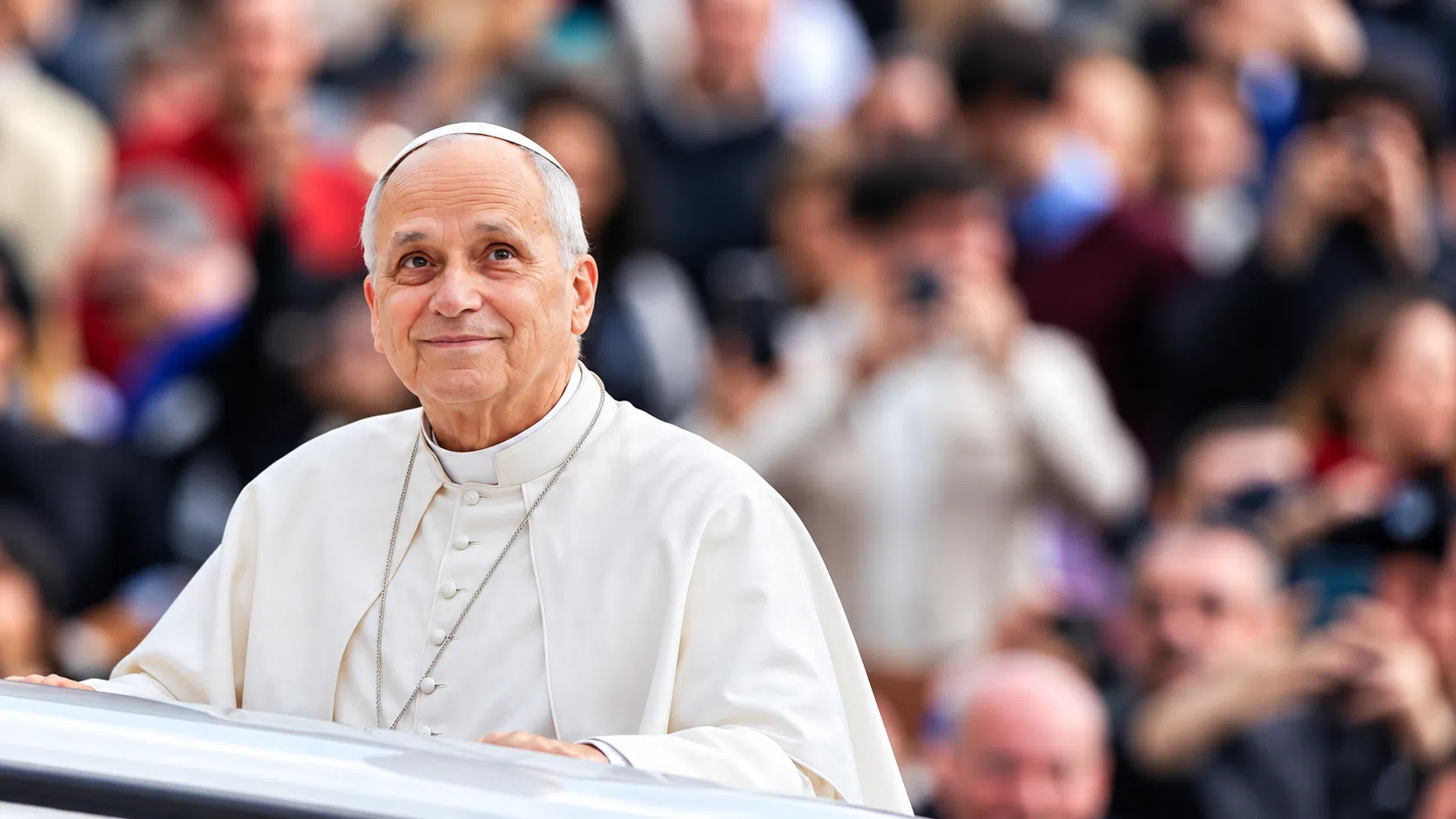
Pope Leo met with the faithful during a tour in the popemobile before celebrating Mass. And he shared this special moment with one of the youngest children.
Leo is an 11-year-old immigrant who lost his mother during the shipwreck on the journey to Lampedusa. They said that he only stopped crying when they gave him a soccer ball.
Leo then gave the pope a soccer ball to pass on to other children, so they could share in his happiness.
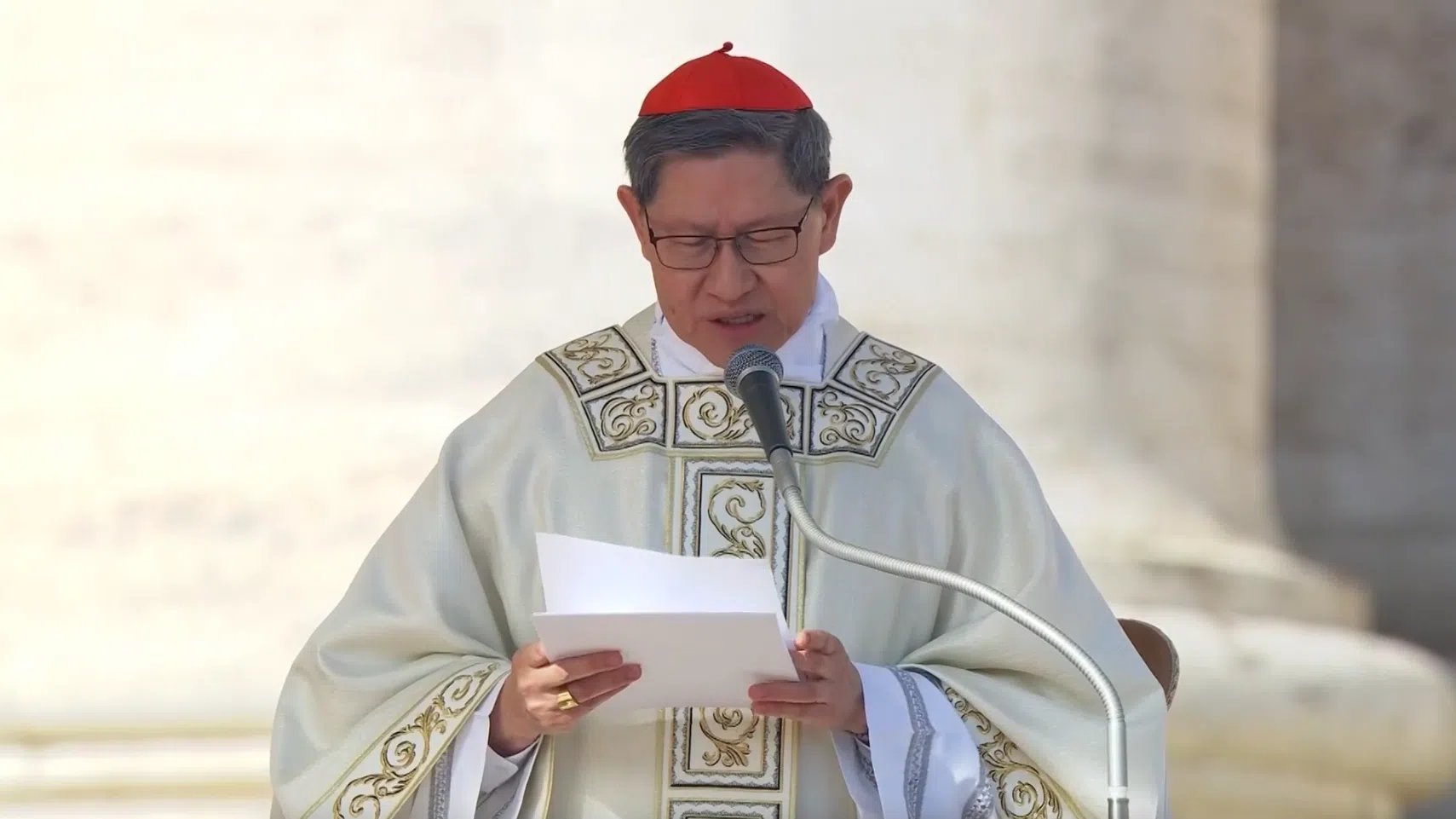
During the Mass celebrated at the “Arena” Sports Complex, the pope shared the key to understanding Lampedusa's reality. He called to transform compassion in concrete decisions.
POPE LEO XIV
“Here you have seen not one, but thousands of human beings who have fallen into the hands of robbers who strip them of everything, brutally beat them, and then leave them behind, half dead. The sea has taken others, those who did not manage to reach their long-hoped for destination. Yet we still sense their presence, which calls out to us no less than those who have come ashore, in need of care and rescue. Before any intellectual reflection or ideological conviction, the encounter with someone lying before us, stripped of eberything, is a call to draw near.
Pope Leo passed through the “Gateway to Europe,” the monument commemorating those who lost their lives during their journey across the Mediterranean.
In 2025, according to the pope, more than a thousand people lost their lives before reaching land. These are deaths that cannot be ignored.
POPE LEO XIV
Those who have died in this sea are victims of both decisions that were made and decisions that were not made. The disregard for the common good and corruption in their countries of origin, a global economic system that generates poverty and exclusion, the fear that fuels prejudice and contempt, the notion that these problems do not concern us, the criminal calculations of those who profit from the suffering of others, the slow and difficult transition from mere emergency management to the development of comprehensive and shared policies: all of this echoes today, in the Gospel story, the haste to “pass by.”
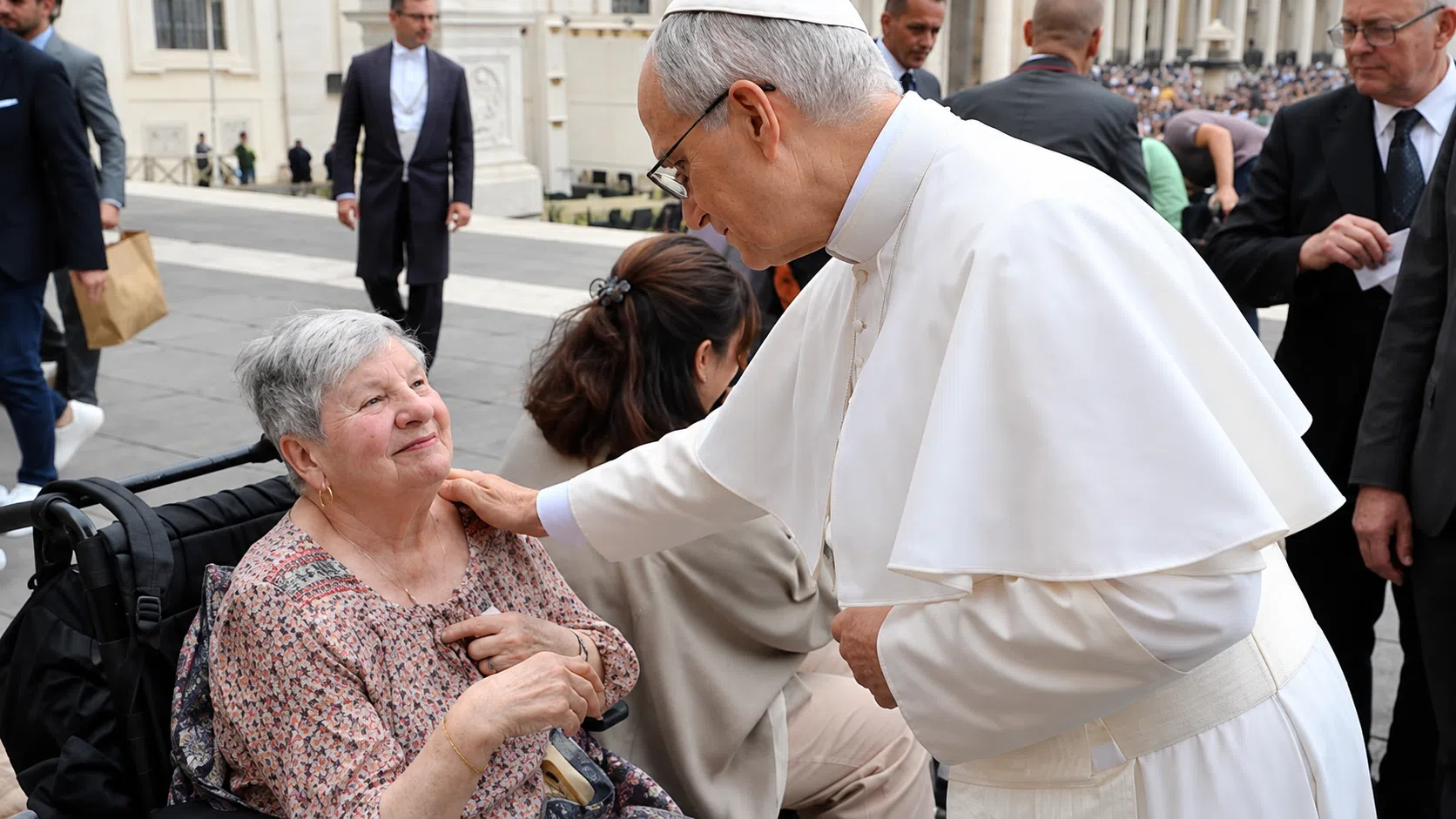
The Pope’s presence has offered comfort and hope. For each of them, it has been an embrace of peace that welcomes everyone without distinction, and an outstretched hand that encourages without showing preference.