Daniel del Castillo González
Can you imagine having to go back to school after being appointed a bishop?
That’s exactly what new bishops from around the world do every September. This year there are 147 of them, and for eight days they attend the Pontifical Urban University in Rome to receive training for their new role.
This Vatican “master’s program” has been in existence since 2000 and covers topics such as mission, abuse, synodality, and the clergy crisis
But what is a day in the life like for these bishops at the university?
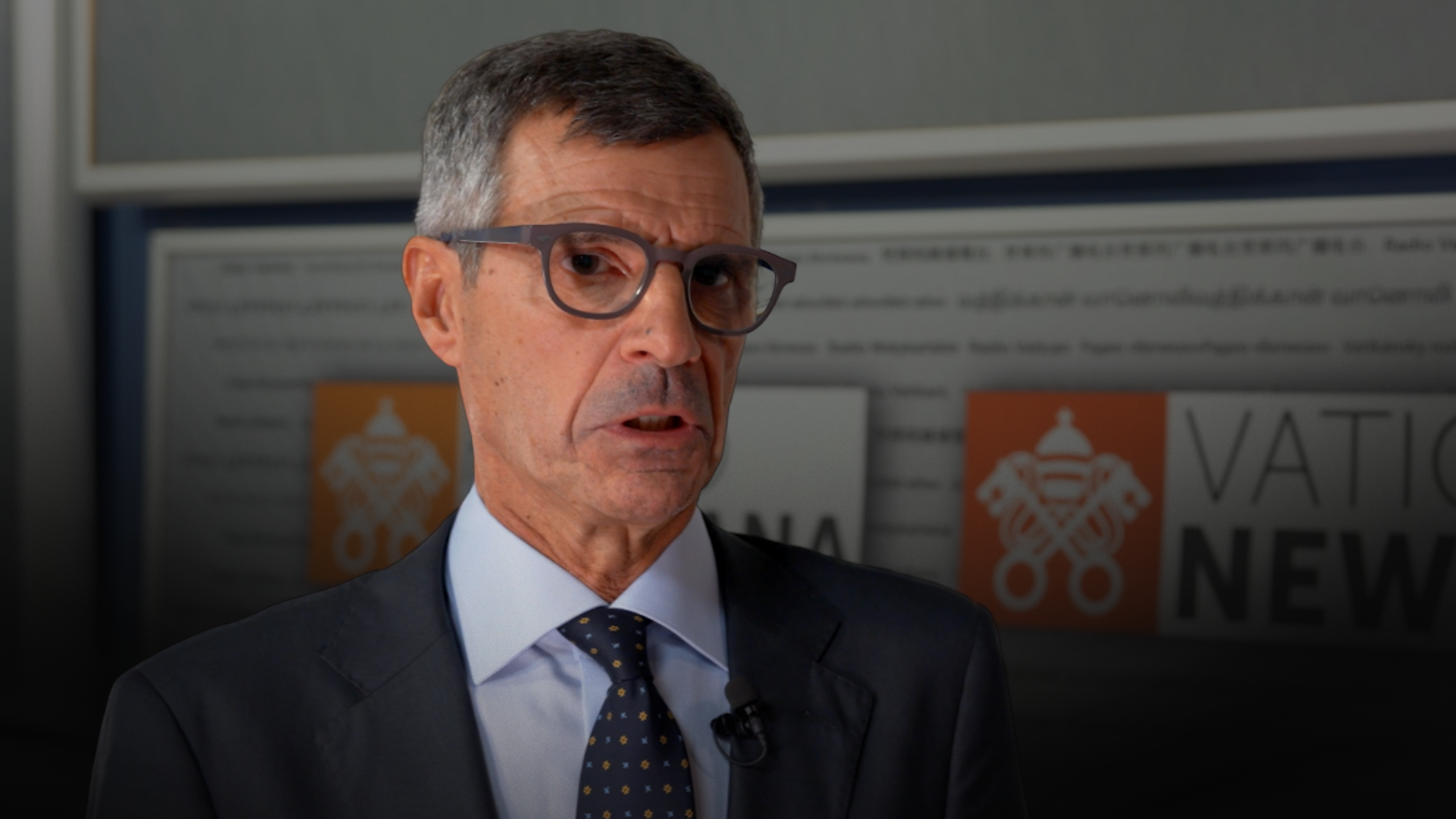
MONS. ALFONSO BAUER
Bishop of Florida, Uruguay
Well, on a typical day, we usually start in the morning at 7 a.m. with Mass. Then we have breakfast, and after that we head to the lectures. We usually have two lectures in the morning and one in the afternoon, though the schedule varies.
And after taking these lectures, you have to put what you learned into practice.
MONS. ALFONSO BAUER
Bishop of Florida, Uruguay
Then we also have group work, organized by language. We gather in these groups and, based on a given prompt, share how the proposal presented in the local churches resonates with us.
Outside of mass, class, and group work, there are also extracurricular activities. The mini-master’s program includes a pilgrimage.
MONS. ALFONSO BAUER
Bishop of Florida, Uruguay
For example, last Sunday we went on a pilgrimage to Assisi. There, we were able to concelebrate Mass and visit the sites associated with this Franciscan Holy Year, marking the 800th anniversary of Francis’s death.
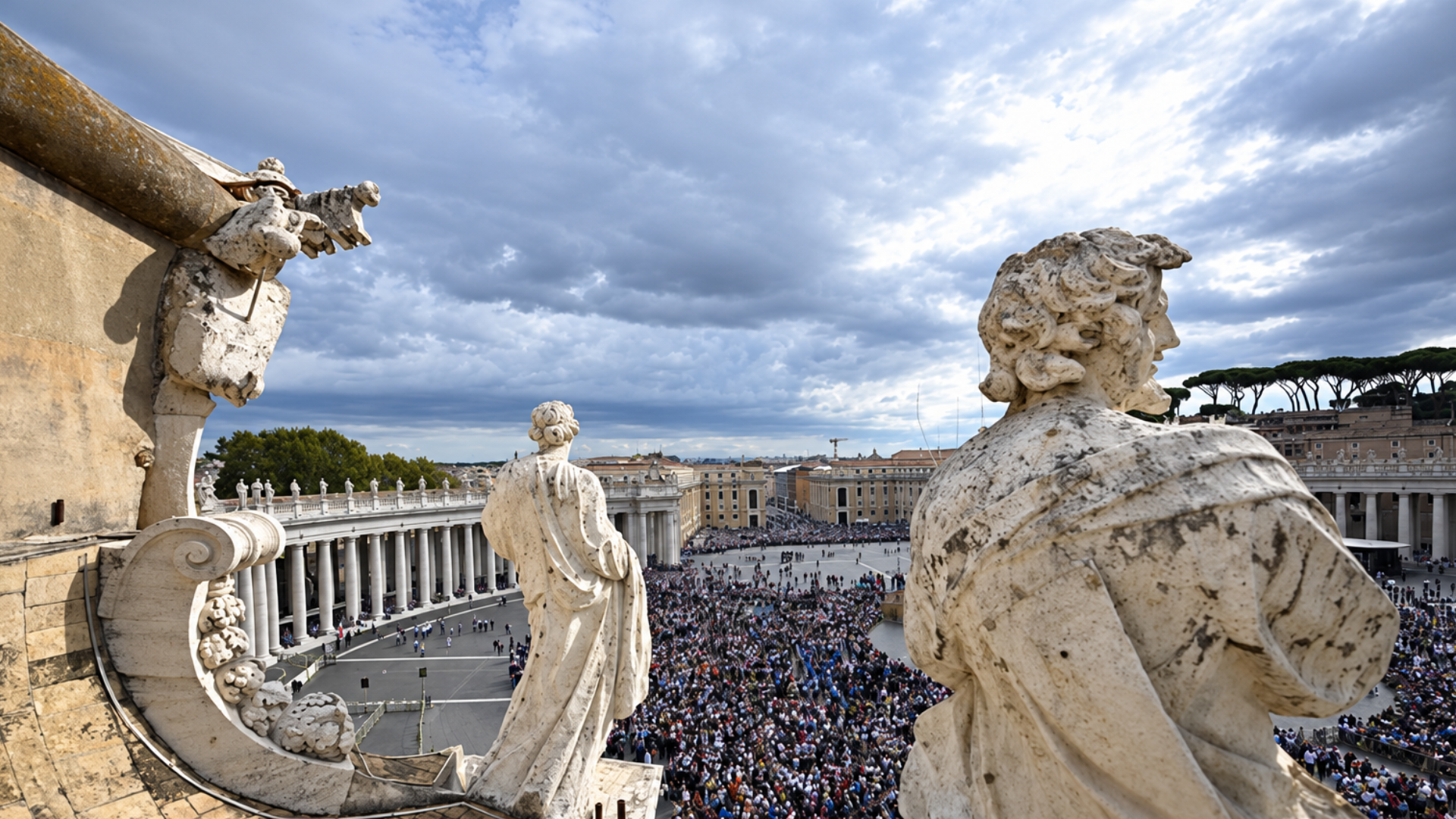
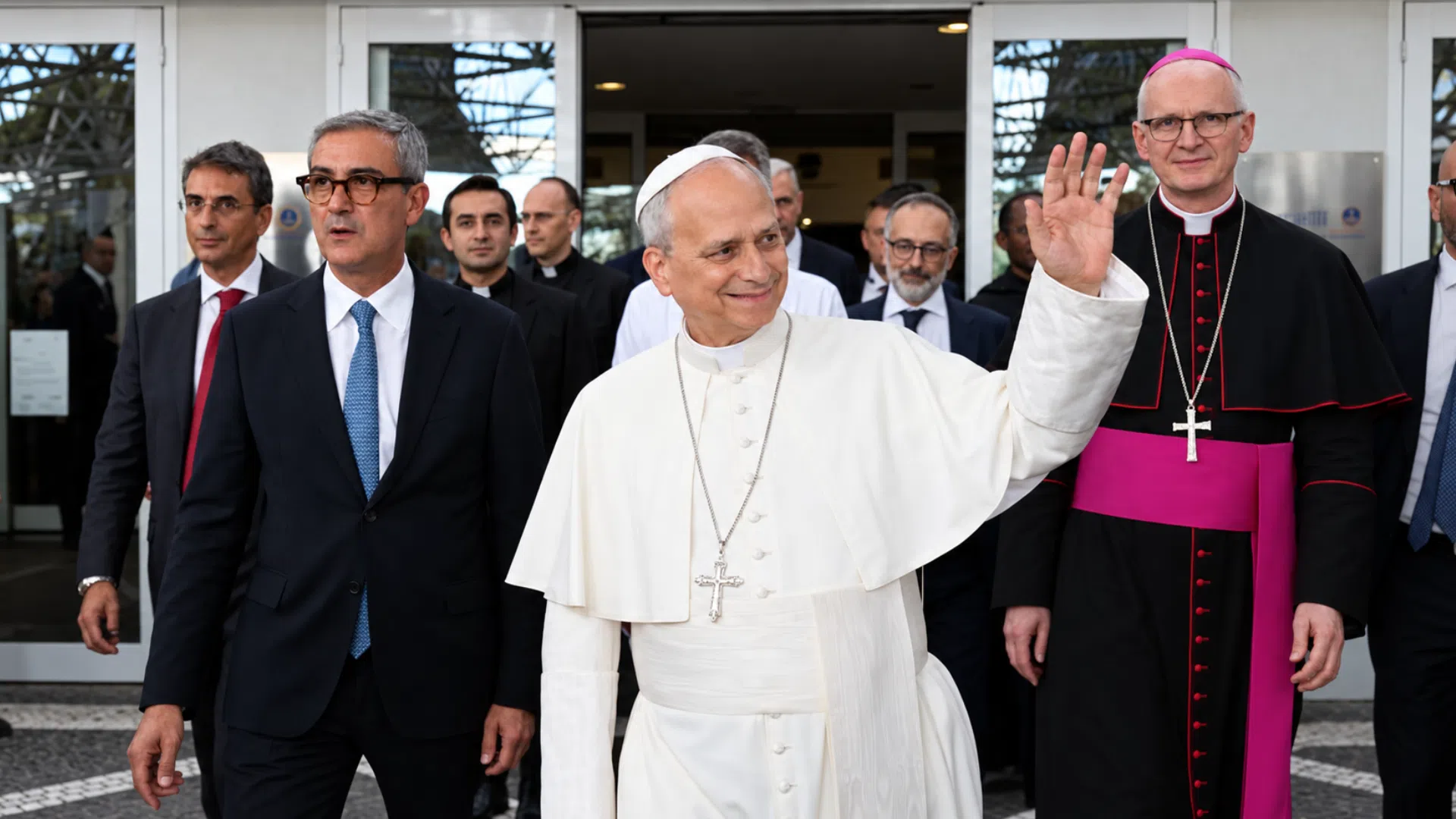
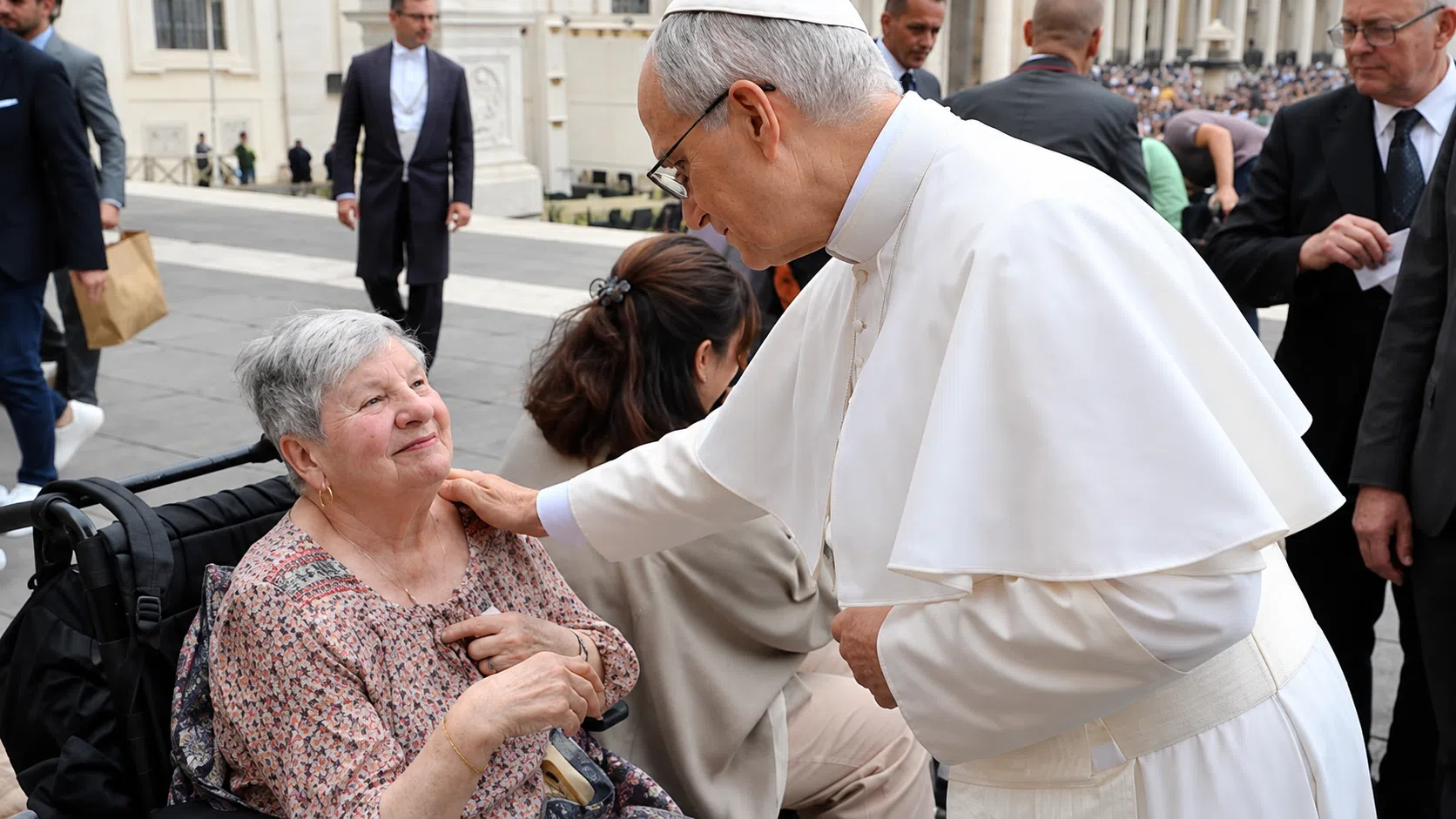
The course concludes with a Mass at St. Peter's and an audience with the pope. So, how does the Vatican know that the bishop has passed the course?
MONS. ALFONSO BAUER
Bishop of Florida, Uruguay
Well, there is no written evaluation, far from it.
One of the great values of the course is precisely the realization that the problems of one diocese are not so different from those of others.
In this episcopal Erasmus program, the instructors are cardinals, prefects, and archbishops. And after eight days of classes, the question is: Do you feel more like a bishop than before?
MONS. ALFONSO BAUER
Bishop of Florida, Uruguay
For me, the most challenging part would be getting used to being a bishop—to living from that role rather than from that apostolic interiority, from that state of communion with the Lord who calls you to live out the mission—not simply to be... administrators.
There might not be a final exam or thesis, but this course seems to leave an impact that lasts a lifetime.