Daniel del Castillo González
St. Thomas was not only the “doubting Apostle,” he is also believed to have brought the Gospel to the East.
Much of ancient Mesopotamia, in present-day Iraq, Iran and India, is said to have been the area where he founded early Christian communities.
From these communities emerged the Chaldean Church, named after the region in which it developed. It is the heir to the ancient Church of the East and preserves traditions and rites different from those of Rome, while remaining in full communion with the pope.
Today, the Chaldean Church has more than 700,000 faithful worldwide and is led by a patriarch.
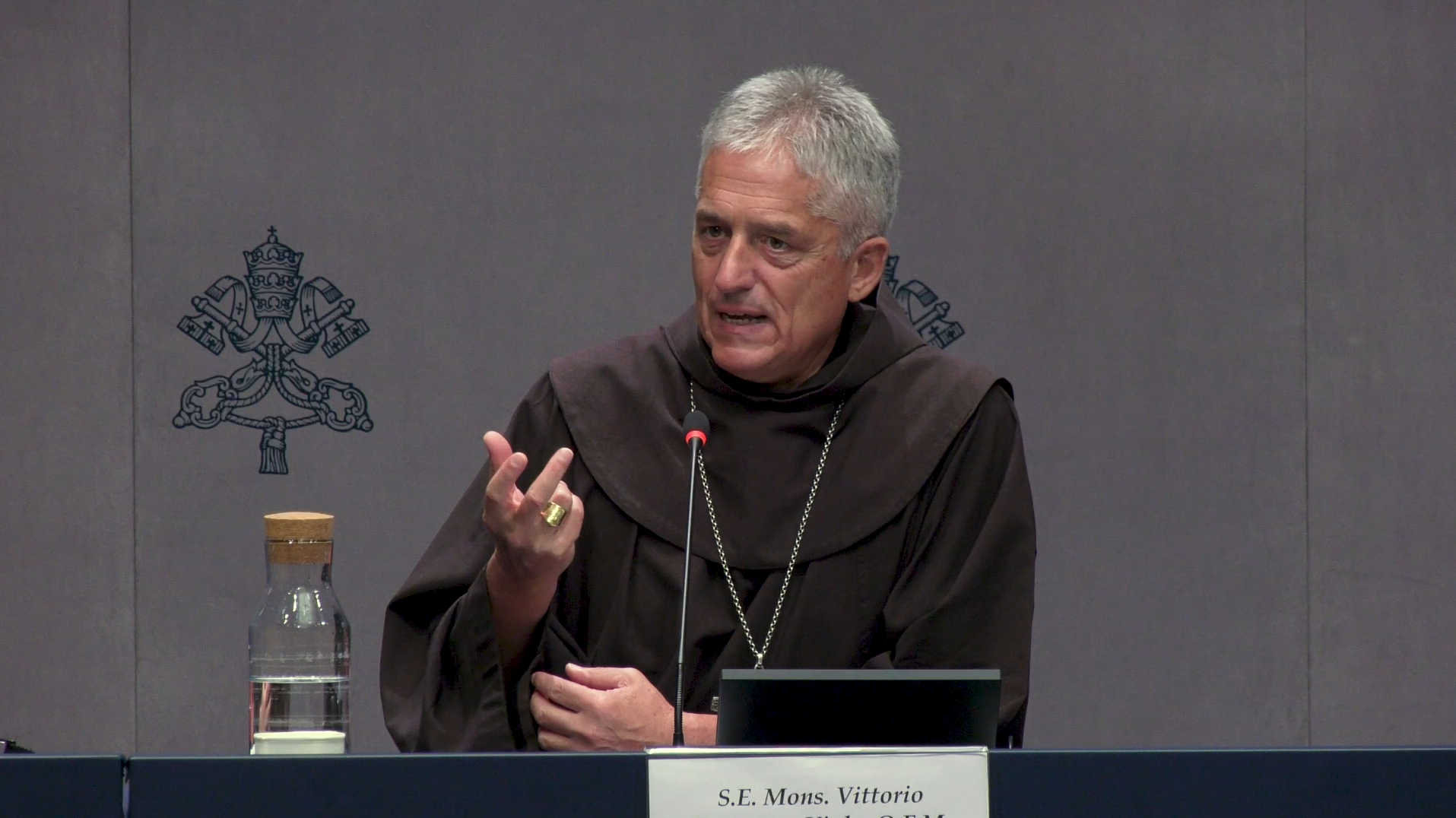
PAUL III NONA
Patriarch of the Chaldean Church
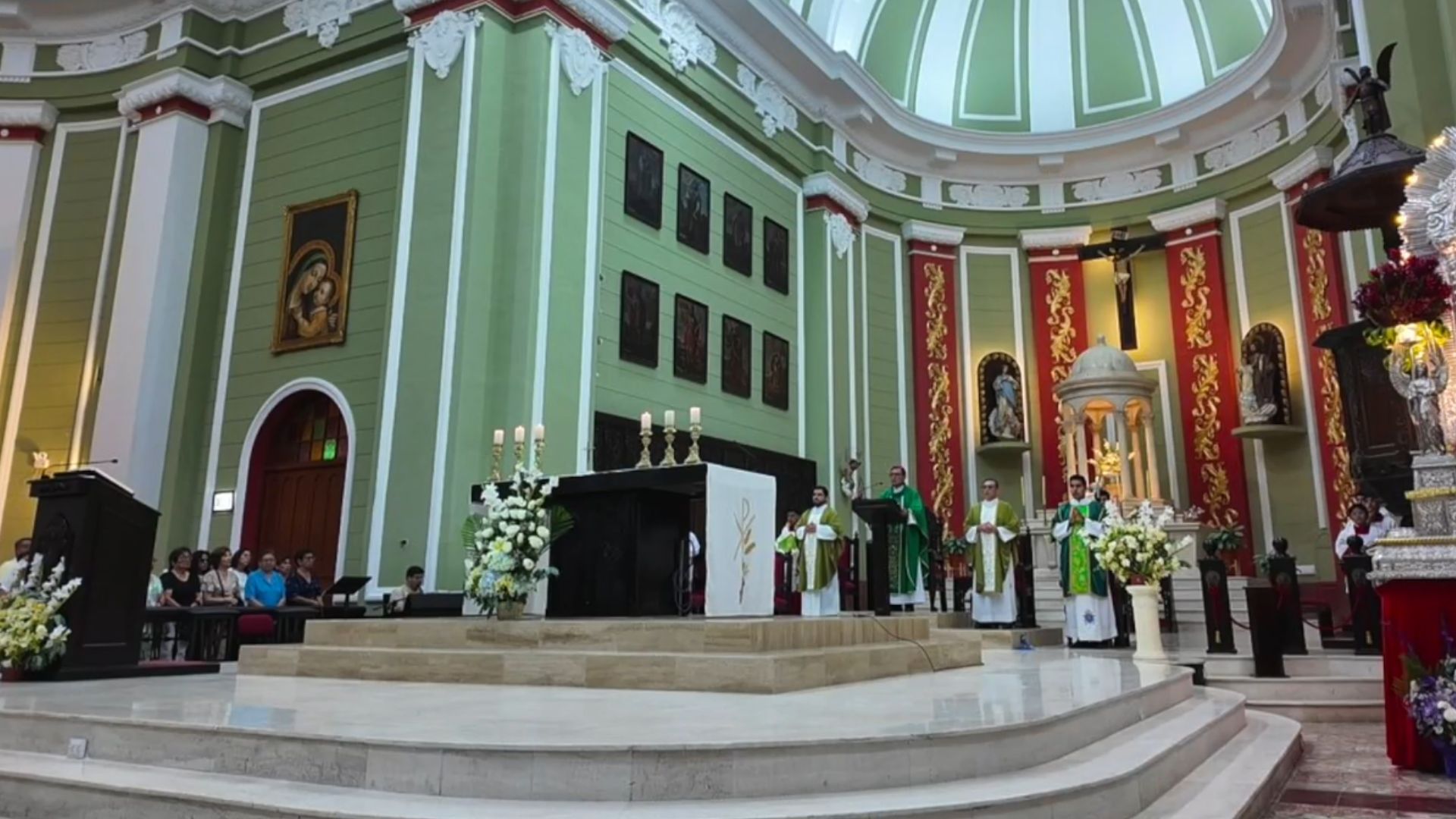
The Chaldean Church is an Eastern Church. Well, historically speaking, it’s a very, very ancient church. The origins of our church date back to the end of the first century, when small communities began to form in what is now Iraq, and those communities have grown ever since. By the third and fourth centuries, the Church was well established in what we now call Iraq or rather, the Middle East
At the height of Islamic State’s power, Mosul was one of the hardest-hit cities. In 2014, it came close to disappearing as ISIS seized control, persecuting Christians and erasing nearly all traces of their presence.
The Chaldeans today still face major challenges, including the large-scale displacement that followed the events in Mosul.
PAUL III NONA
Patriarch of the Chaldean Church
It was very difficult, very, very difficult. It’s not easy to see—you know—an area, a city, or a Christian community whose origins date back to the end of the first century. There’s no one there. It’s very difficult to imagine that situation. When families, the entire community, leave the church overnight or in a single day.
Two thousand years after the Apostle Thomas, the Church born from his mission is still alive and spread across the world.