Carolina Bellocq
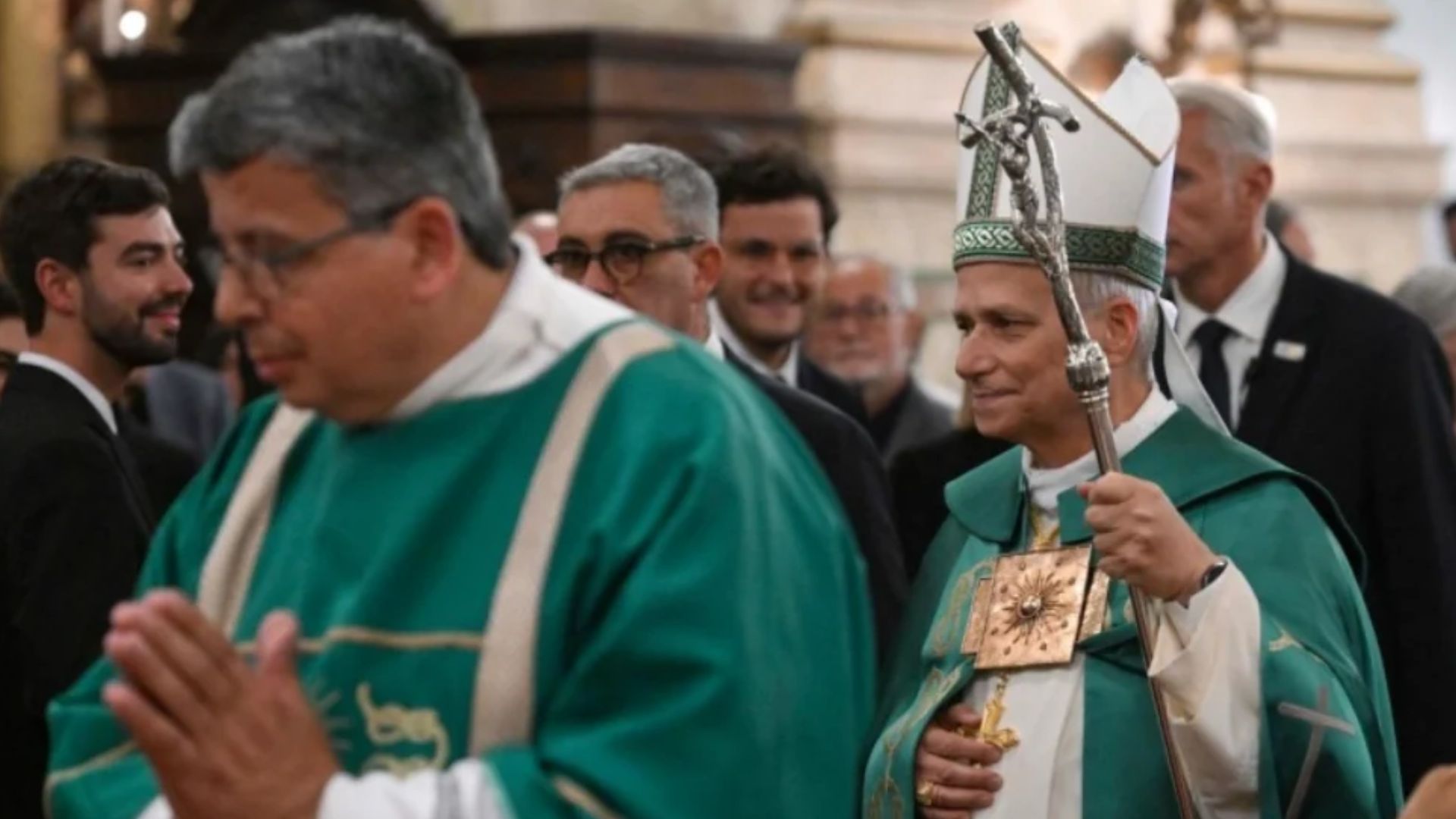
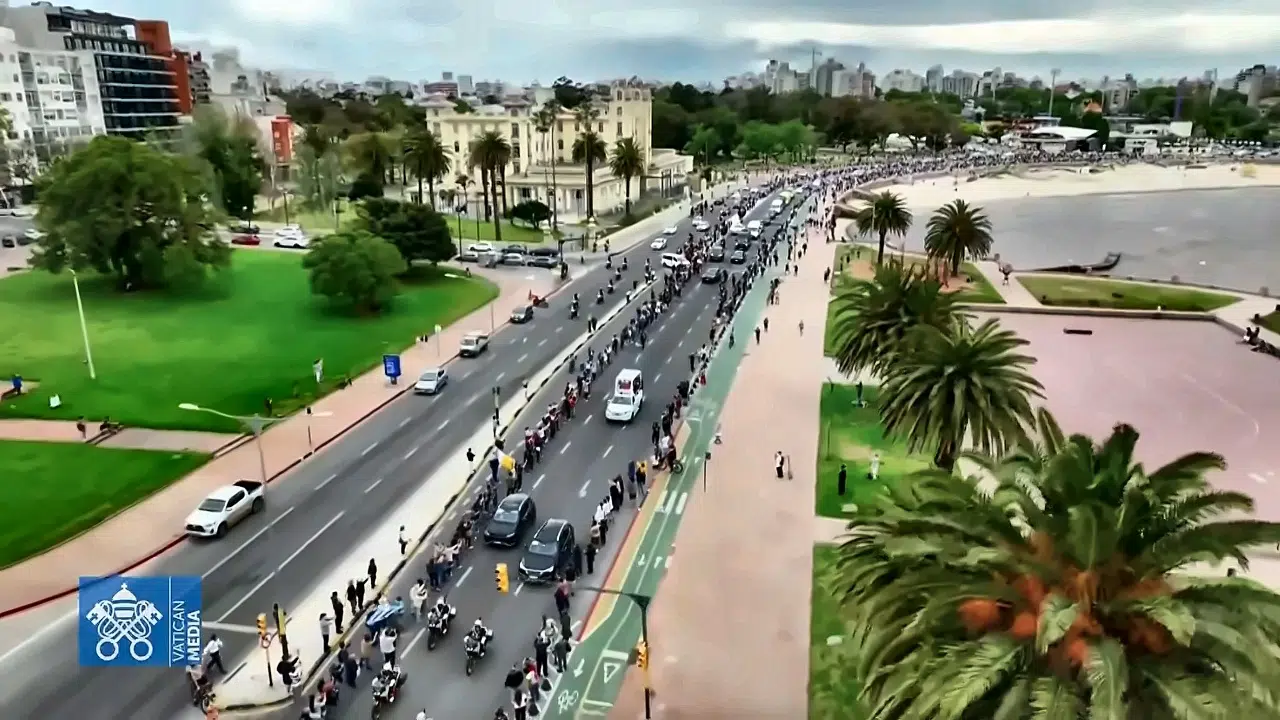
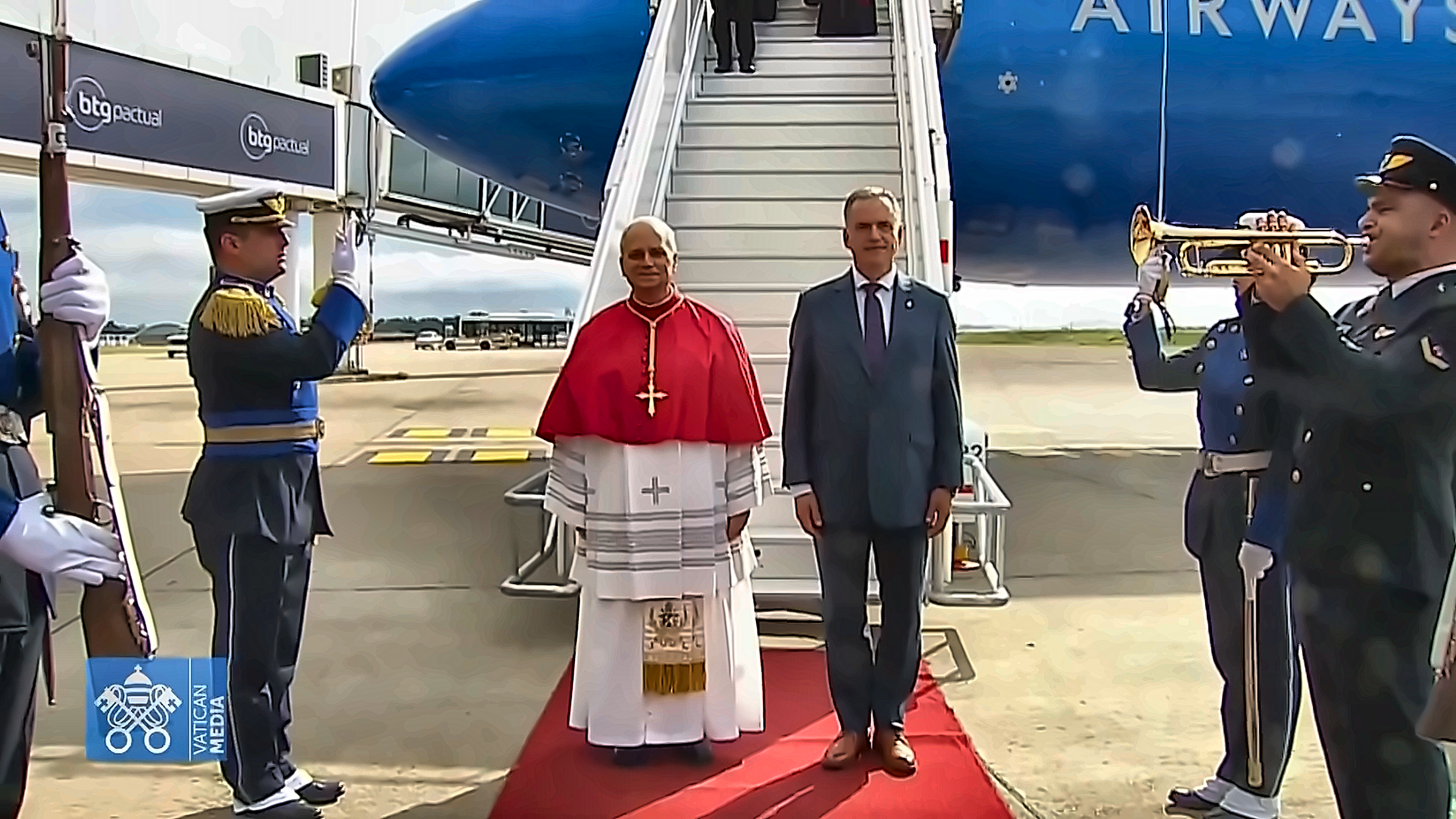
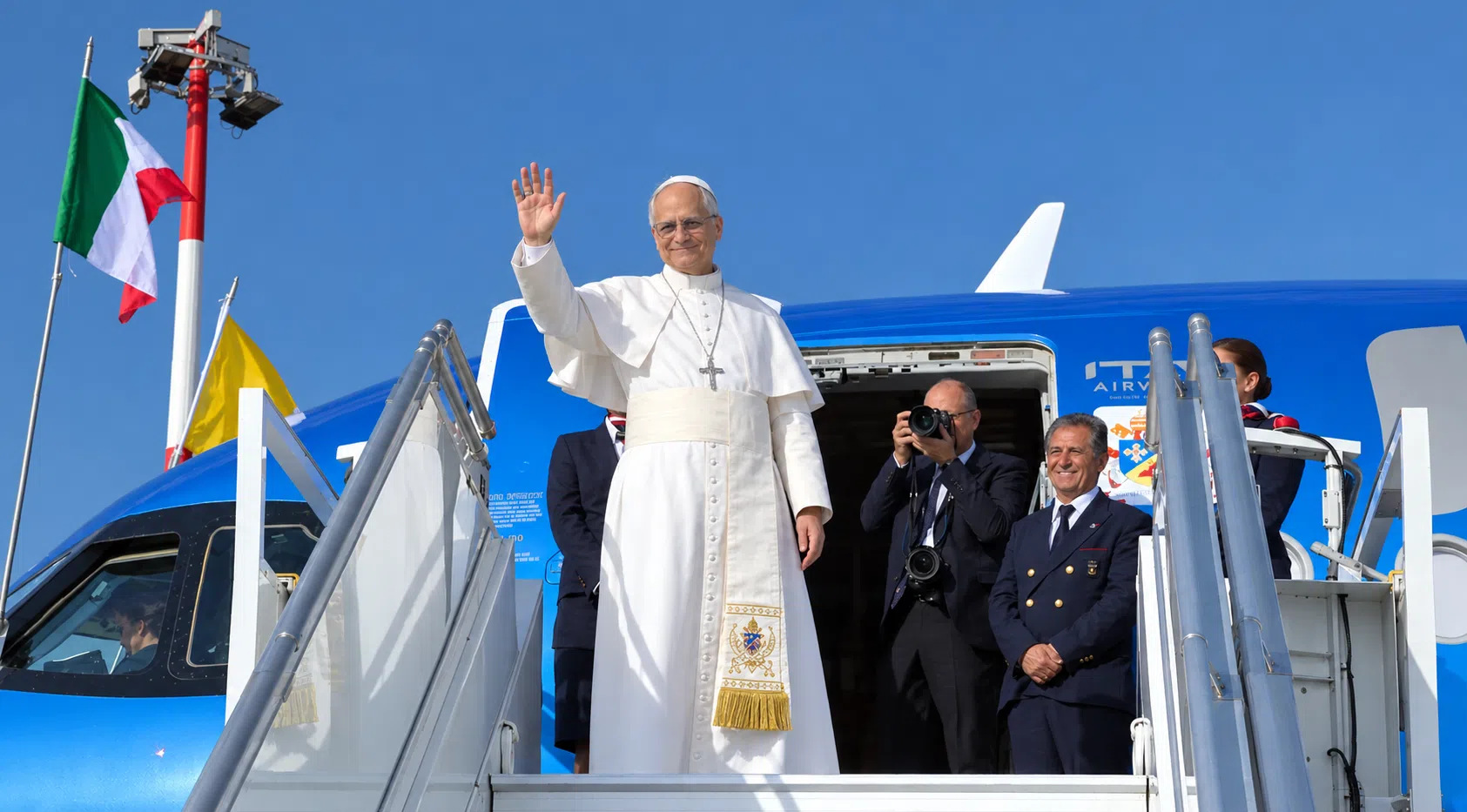
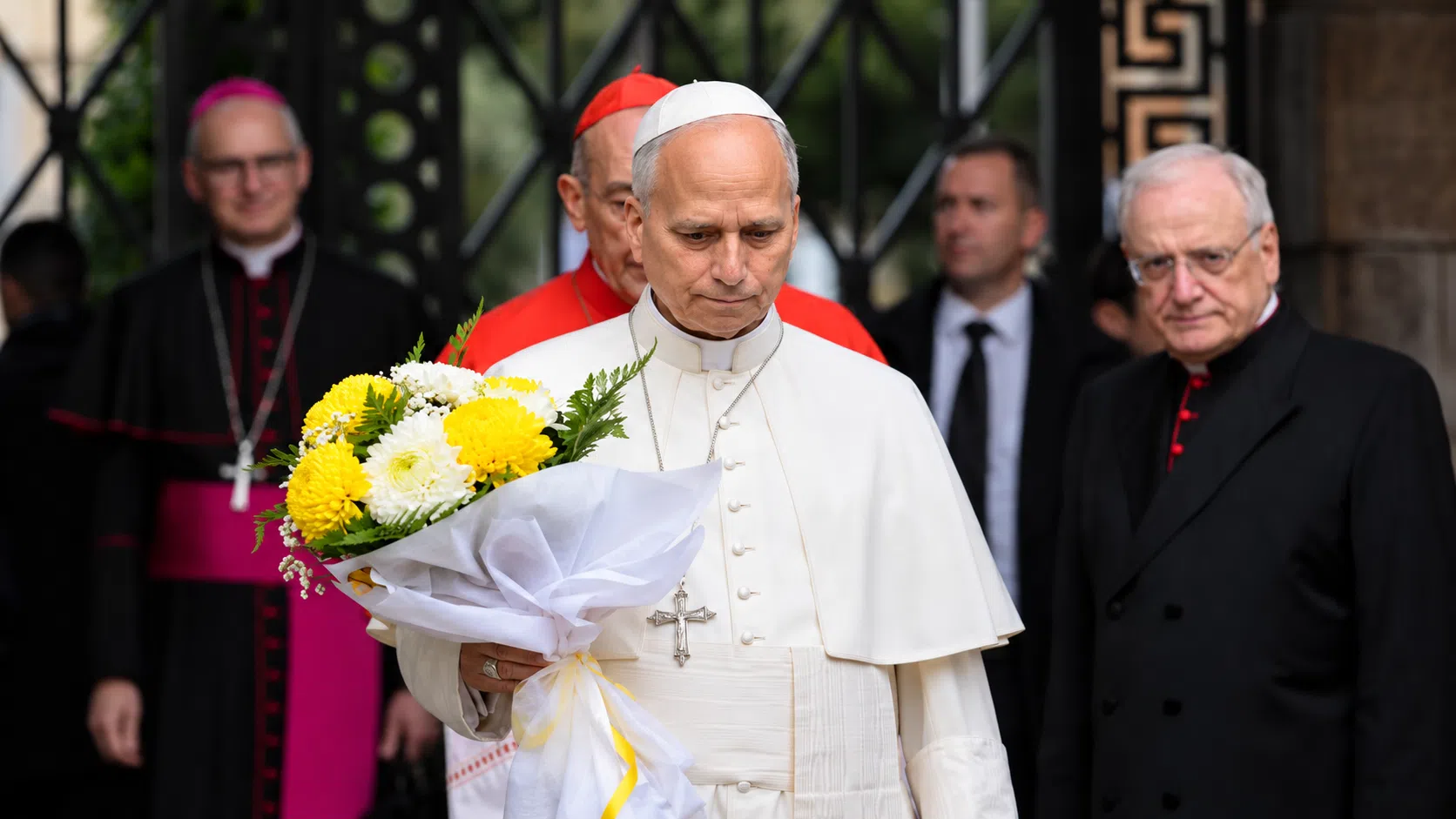
The Independence Square, in the heart of Uruguay’s capital, welcomed the pope to the country. Government officials, diplomats and members of civil society also attended the ceremony.
President Yamandú Orsi was joined by Uruguay’s three living former presidents, demonstrating democratic unity.
In his first speech in Latin America, Pope Leo XIV drew on the symbolism of the square’s monument. Beneath it lies the remains of Uruguay’s national hero, José Artigas.
He also reflected on the country’s challenges and the importance of the future.
POPE LEO XIV
Concern for the future also embraces those destined to inhabit this land, the conditions in which they will be born and grow up, and the opportunities they will encounter throughout their lives. Uruguay’s demographic trends make this concern particularly pressing.
He touched on abortion, the need to protect the most vulnerable and the importance of creating opportunities.
POPE LEO XIV
Today too, people’s worth cannot be measured by what they produce, by their work or
by their ability to fend for themselves. The fundamental dignity of each person, therefore, is neither acquired nor earned, nor does it need to be justified.
He also addressed loneliness. Uruguay has the highest suicide rate per capita in Latin America.
POPE LEO XIV
Given the painful reality of suicide, it is clear that adequate health care, family ties, and the closeness of the community are inseparable. None should ever feel like a stranger among their own or think that their absence matters less than their presence.
In a country where the Catholic Church is a minority, he reminded those gathered of the contribution it makes to society.
POPE LEO XIV
To this common effort, the Church contributes what is unique to her: a hope that does not fade when human resources reach their limits and which reminds those undergoing trials that their lives always retain meaning and value, that they are not alone, and that even in dark times they do not cease to be loved by God.
The pope addressed the role of secularism too.
POPE LEO XIV
Coexistence among people of different backgrounds and traditions is part of Uruguay’s history. That pluralism is expressed in the beliefs and convictions of its citizens today. The secular character of the State involves an obligation to ensure that there is room for believers and non-believers to live together in freedom and respect.
He closed by expressing his excitement to meet the Uruguayan people, asking God to bless the country and the Virgin Mary to watch over it.